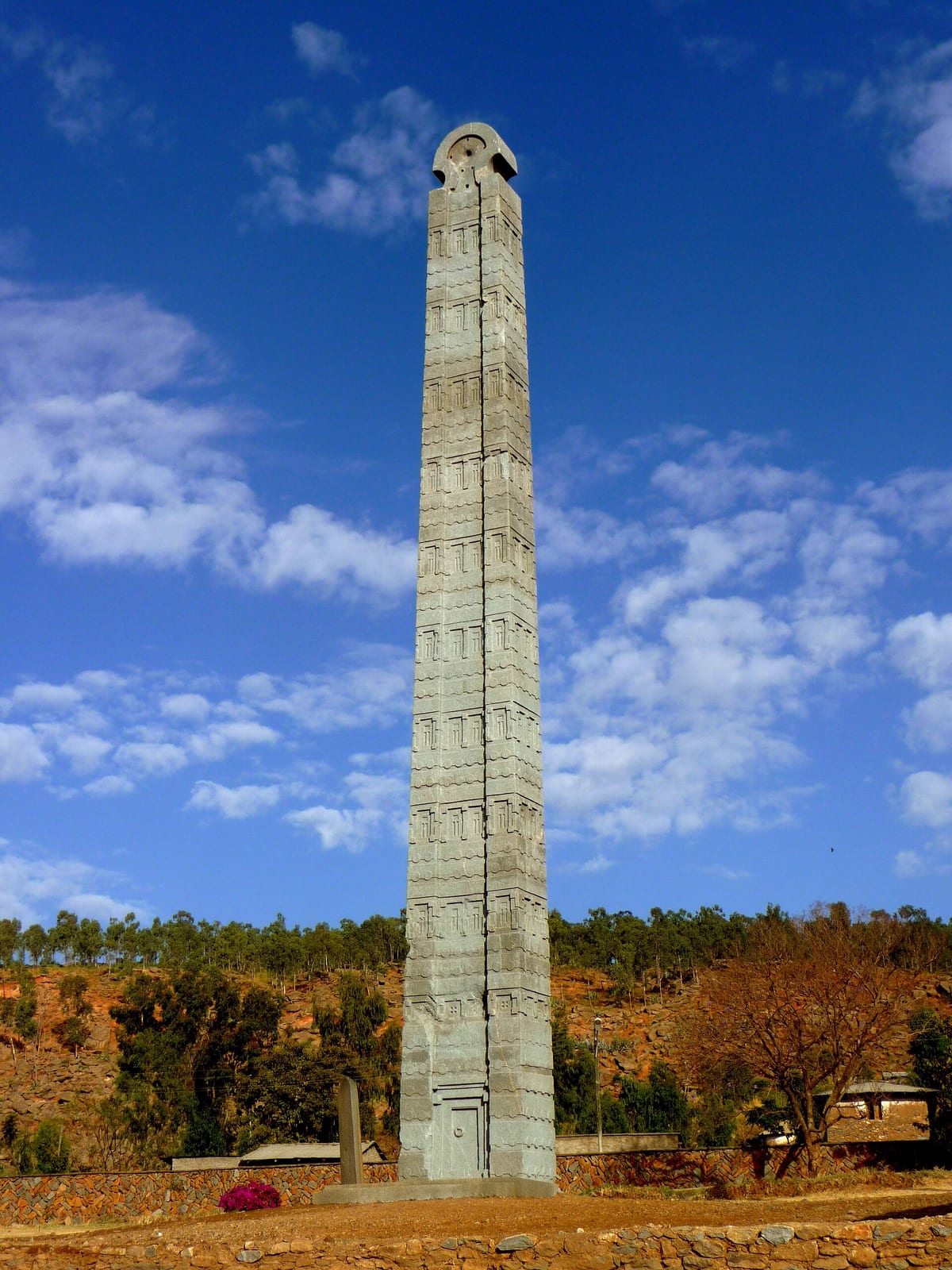
Aksum Connects the Highlands to the Red Sea
Coins, monuments and trade reveal a powerful African kingdom at a crossroads of exchange.
Archaeological evidence from the Tigray Plateau and central Eritrea shows that the Kingdom of Aksum emerged as a centralized power between 150 BCE and 150 CE. Centered at the highland city of Axum, the state grew from earlier regional communities influenced by the D'mt polity and early South Arabian contacts. Positioned between productive agricultural plateaus and maritime outlets on the Red Sea, Aksum established direct trade channels with the Mediterranean, Southern Arabia, and South Asia. The first-century merchant handbook known as the Periplus of the Erythraean Sea recorded that goods from the interior, notably ivory and tortoiseshell, passed through the coastal port of Adulis, anchoring the kingdom into intercontinental commerce.
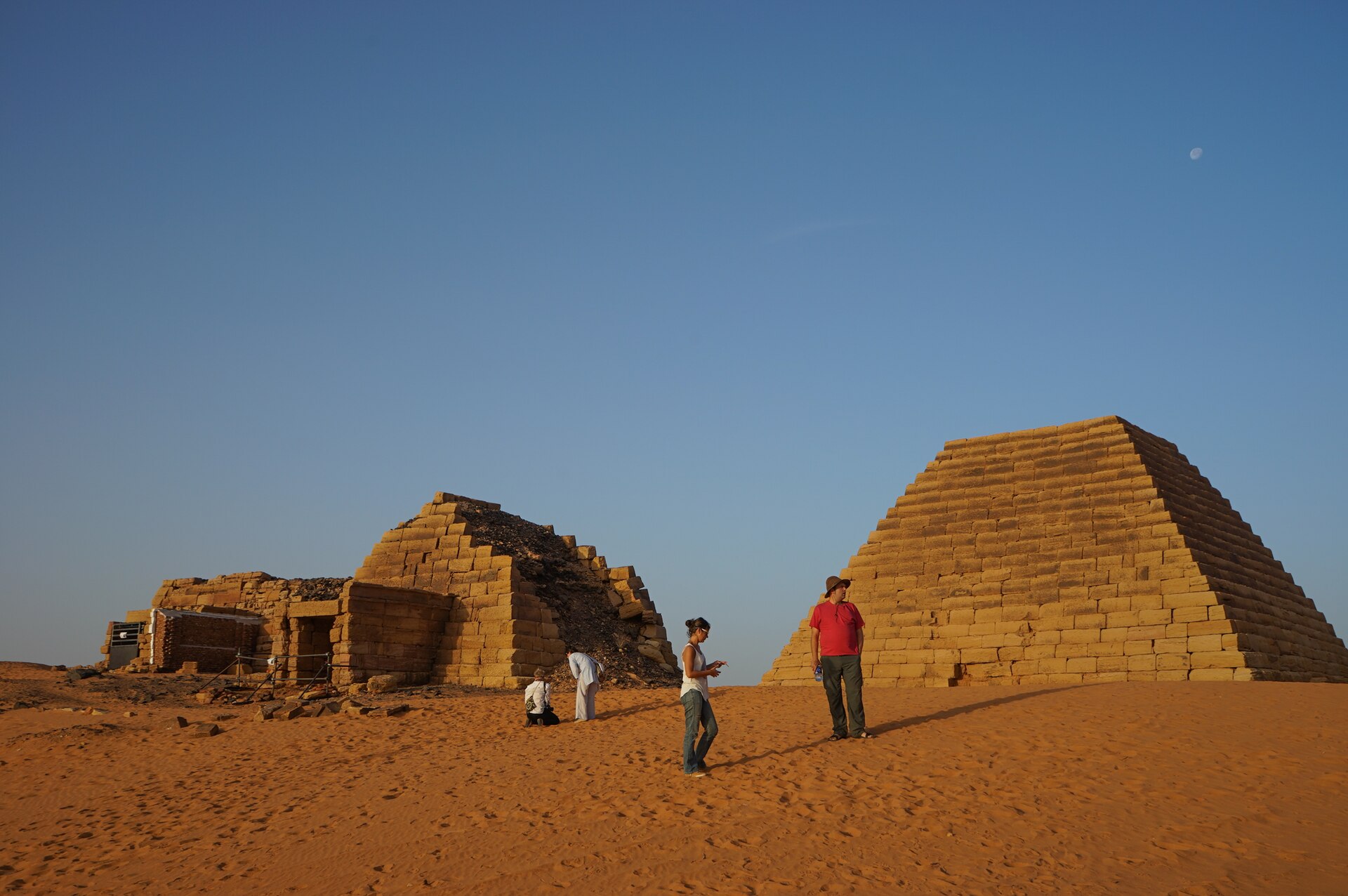
A major shift occurred when maritime traffic between the Roman world and India increasingly bypassed older overland corridors to navigate the Red Sea directly. Aksumite authorities organized trade networks that intercepted valuable resources from the African interior, redirecting traffic away from the rival Nile corridor long centered on Meroë. Operating through Adulis, Aksum exported gold, incense, exotic animal hides, and slaves, while importing luxury manufactured items, silk, and spices. By the late third century, King Endybis was issuing gold coins with Greek inscriptions, and Aksum went on to mint coinage in gold, silver, and bronze, advertising royal sovereignty and facilitating long-distance exchange.

Keep reading in Yester
Coming soon to the App Store
Keep following the story
Sources
- Aksum, World Heritage List (UNESCO World Heritage Centre)
- Africa's Merchant Kings (Archaeology Magazine, Archaeological Institute of America)
- Kingdom of Aksum (National Geographic Education)
- Gold coin of Endubis, museum number 1969,0624.1 (British Museum)
- The Foreign Contacts of Ancient Aksum: New finds and some random thoughts, Jacke Phillips (Sudanarchäologische Gesellschaft)
- Kingdom of Aksum
Image: Ondřej Žváček