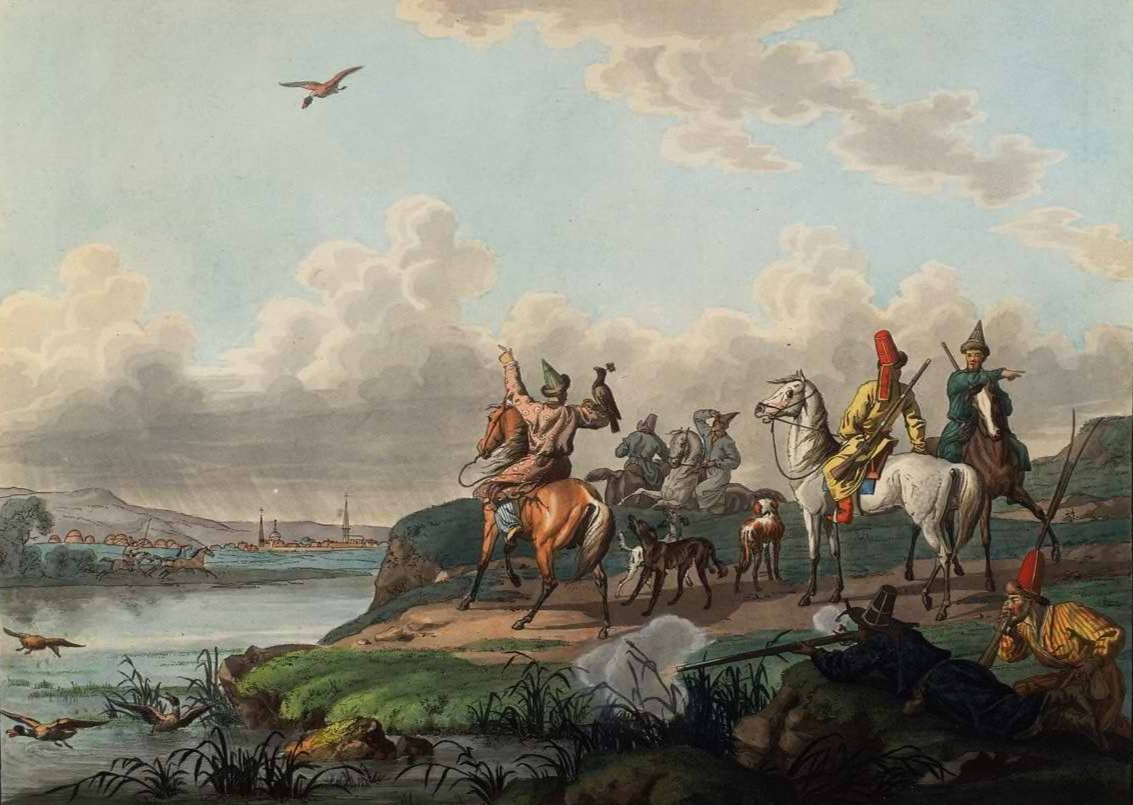
Kerei and Janibek Found the Kazakh Khanate
Nomads breaking from the Uzbek khans formed a state that gave Kazakhs their name.
During the middle of the fifteenth century, the nomadic domains of the eastern steppe experienced profound political fracturing following the gradual breakup of the Golden Horde. Within the eastern wing of this ancestral Mongol realm, known historically as the Uzbek Khanate or the Abu'l-Khayr Khanate, the Shibanid ruler Abu'l-Khayr Khan consolidated authority over extensive pastoral confederations. He expanded his dominance across the eastern Desht-i Kipchak and seized lands around the Syr Darya and Turkestan, territories long held by the lineage of Urus Khan. This concentration of authority generated sharp resistance among rival Chinggisid princes who possessed competing hereditary claims to rule the steppe.
Among these dissidents were Kerei and Janibek, descendants of Urus Khan, who openly rejected Abu'l-Khayr's supremacy. Rather than capitulating, they withdrew from their ancestral regions alongside a significant following of nomadic pastoralists. They sought refuge in the territory of Moghulistan, an act of secession characterized in historical accounts as the practice of qazaqliq. In the nomadic tradition of the period, this term designated a recognized pattern of political contest where disaffected dynastic claimants withdrew to remote frontier zones, sustaining themselves through hunting and tactical raids while assembling military strength. Over time, this sociopolitical lifestyle evolved into a lasting ethnic designation, giving rise to the name of the Kazakh people.

Keep reading in Yester
Coming soon to the App Store
Keep following the story
Sources
Image: Е. Корнеев