Timur Makes Samarkand the Capital of a Vast Empire
A conqueror filled his capital with monuments built by captured artisans.
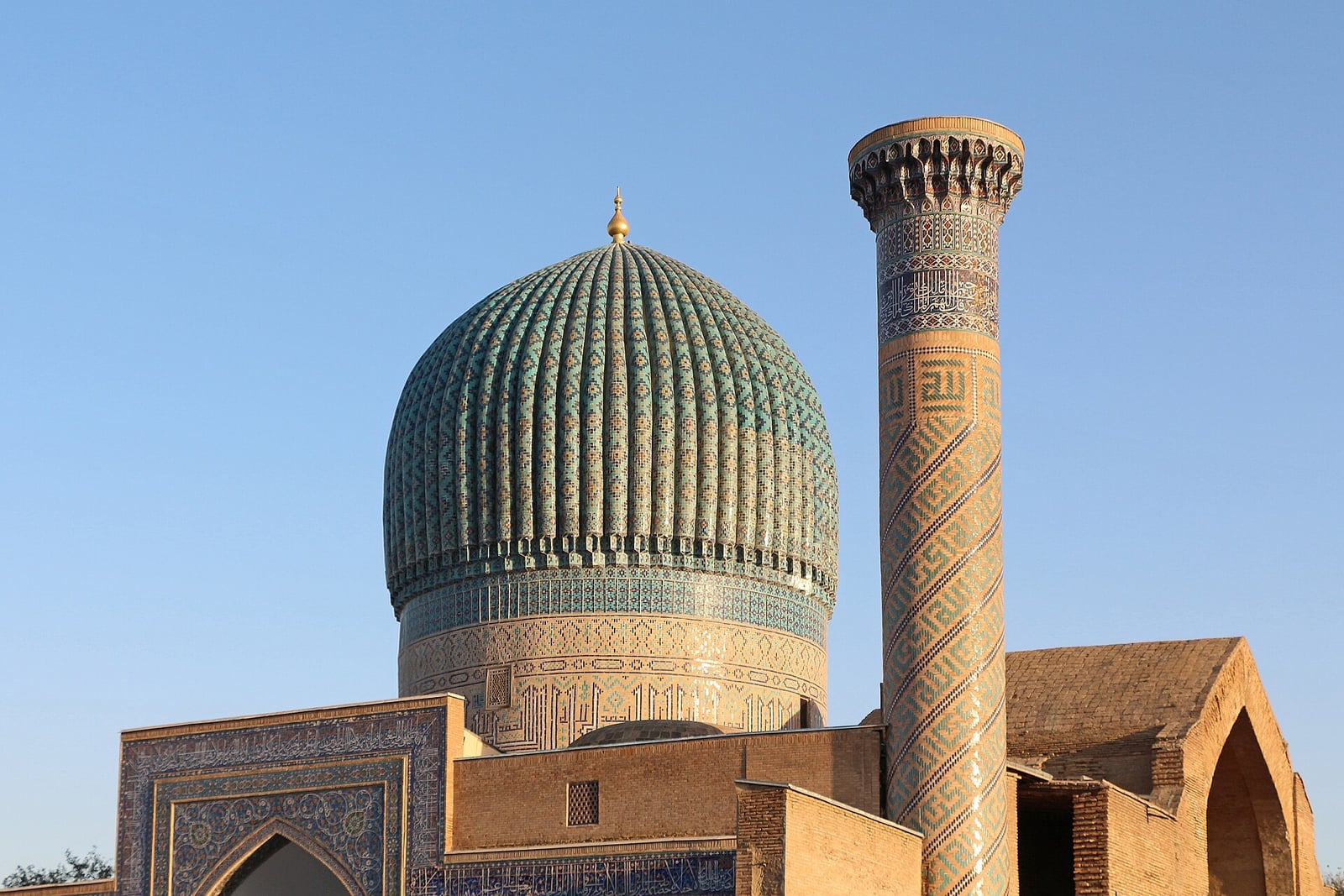
By 1370, the Turco-Mongol commander Timur had established firm control over the western lands of the Chagatai Khanate in Transoxiana. Rising from the Barlas confederation around Kesh, he spent his early career navigating shifting tribal coalitions and military campaigns across the region. After outmaneuvering and defeating his brother-in-law Amir Husayn, Timur was formally proclaimed sovereign at Balkh. He made Samarkand the administrative seat and cultural showpiece of his rapidly expanding domain.
Lacking direct paternal descent from Genghis Khan, Timur faced significant political and religious limitations within the traditional Steppe hierarchy. To circumvent the convention that reserved the title of khan for Chinggisid heirs, he placed a figurehead ruler named Suyurghatmish on the nominal throne while exercising total authority himself under the title of amir. His marriage to Saray Mulk Khanum, a Chinggisid princess and Husayn's widow, allowed him to claim the honorific title of guregen, meaning royal son-in-law. To further legitimize his absolute rule across the Muslim world, he styled himself Sahib Qiran, meaning Lord of Conjunction, and promoted the persona of a divinely sanctioned warrior.

Keep reading in Yester
Coming soon to the App Store
Keep following the story
Sources
Image: Bgag