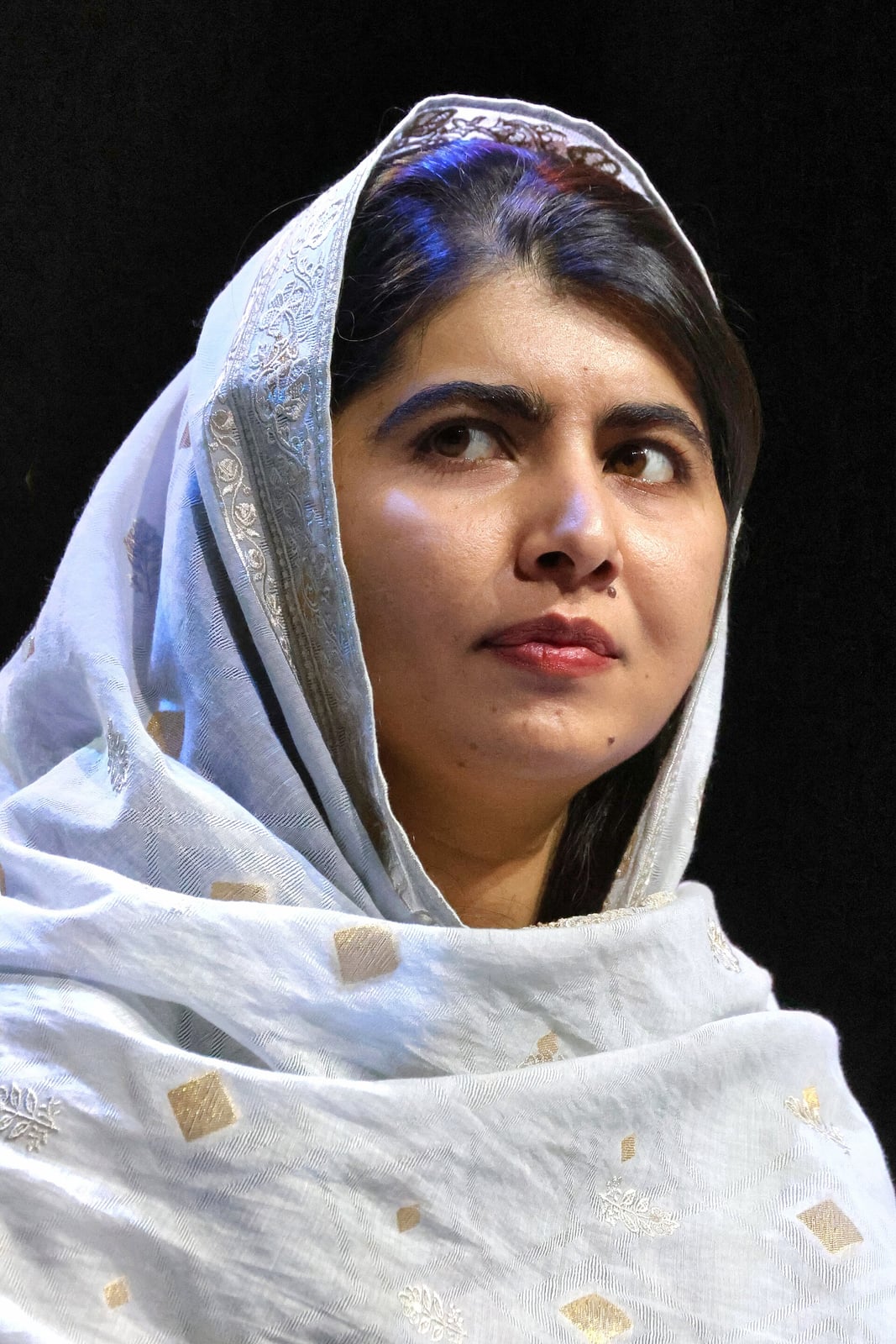
Malala Yousafzai Becomes the Youngest Nobel Laureate
A student shot for defending girls’ education shared the Peace Prize at seventeen.
In early 2009, eleven-year-old Malala Yousafzai began dictating diary entries under the pseudonym Gul Makai for BBC Urdu, chronicling daily life under militant occupation in northwestern Pakistan. The Pakistani Taliban had seized control across the Swat Valley, destroying some 400 schools by the end of 2008 and banning girls from attending school. The daughter of education activist Ziauddin Yousafzai, who ran a school in their home city of Mingora, she had already spoken out on Pakistani television in defence of girls' right to an education. Her dispatches detailed the desertion of classrooms, her fear of a full-blown war in the valley, and the profound disruption inflicted upon local communities.
Following the termination of her diary and subsequent displacement during the military offensive known as Operation Rah-e-Rast, Yousafzai chose to abandon her childhood ambition of becoming a physician to pursue politics and advocacy. Her public profile rose through domestic television appearances and grassroots human rights training. In late 2011, she received Pakistan's inaugural National Youth Peace Prize and was nominated for the International Children's Peace Prize. As her domestic recognition grew, local militants viewed her public defiance as an ideological threat, issuing warnings through print media and online channels.

Keep reading in Yester
Coming soon to the App Store
Keep following the story
Sources
- Malala Yousafzai, Biographical (NobelPrize.org)
- Nobel Prize facts (NobelPrize.org)
- Clerics declare Malala shooting 'un-Islamic' (Al Jazeera)
- Pakistani schoolgirl Malala airlifted to UK (Al Jazeera)
- Pakistani schools network observes anti-Malala day (Dawn)
- New Portrait Celebrates LMH Alumna Malala Yousafzai (Lady Margaret Hall, University of Oxford)
- Malala Yousafzai
Image: flowcomm