Assyrian Merchants Keep Their Letters at Kanesh
Thousands of tablets record tin and textile deals between Assur and Anatolia.
The archaeological site of Kültepe, situated about twenty kilometers northeast of Kayseri on the Central Anatolian plateau, preserves the remains of one of the earliest major commercial networks in the ancient Near East. Known in antiquity as Kaneš or Neša, the settlement consisted of two distinct parts: a prominent circular mound occupied from the Early Bronze Age into the Roman era, and an adjacent lower town that flourished in the Middle Bronze Age. Within this lower district, merchants from northern Mesopotamia established a kārum, an Akkadian designation originally meaning port that came to denote an inland trading settlement.
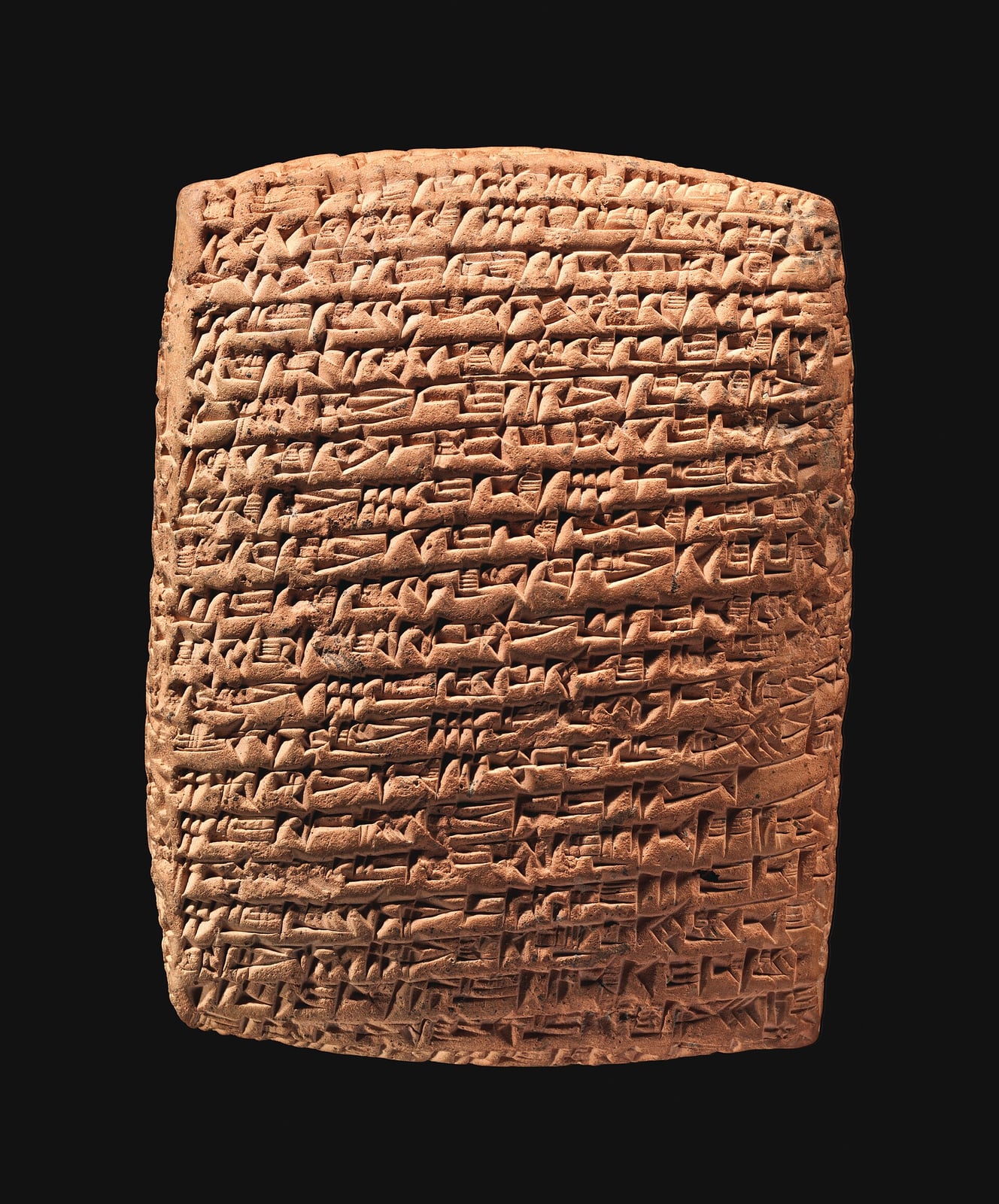
During the early second millennium BCE, Kaneš functioned as the administrative and distribution center for the network of Assyrian commercial colonies in Anatolia. Local authorities allocated a district where foreign traders conducted business without paying taxes on goods kept within the settlement. Unlike state-run monopolies, commerce was organized by merchant families. Caravans carried tin, which reached Assur from the east, and woven textiles from the city of Assur across long overland routes to Kaneš, exchanging them primarily for Anatolian silver and gold. Although the surrounding material culture remained distinctly Anatolian, the presence of foreign merchants is clearly marked by their legal records and written language.

Keep reading in Yester
Coming soon to the App Store