Egypt and the Hittites Sign One of the Earliest Peace Treaties
Ramesses II and Hattusili III ended decades of war.
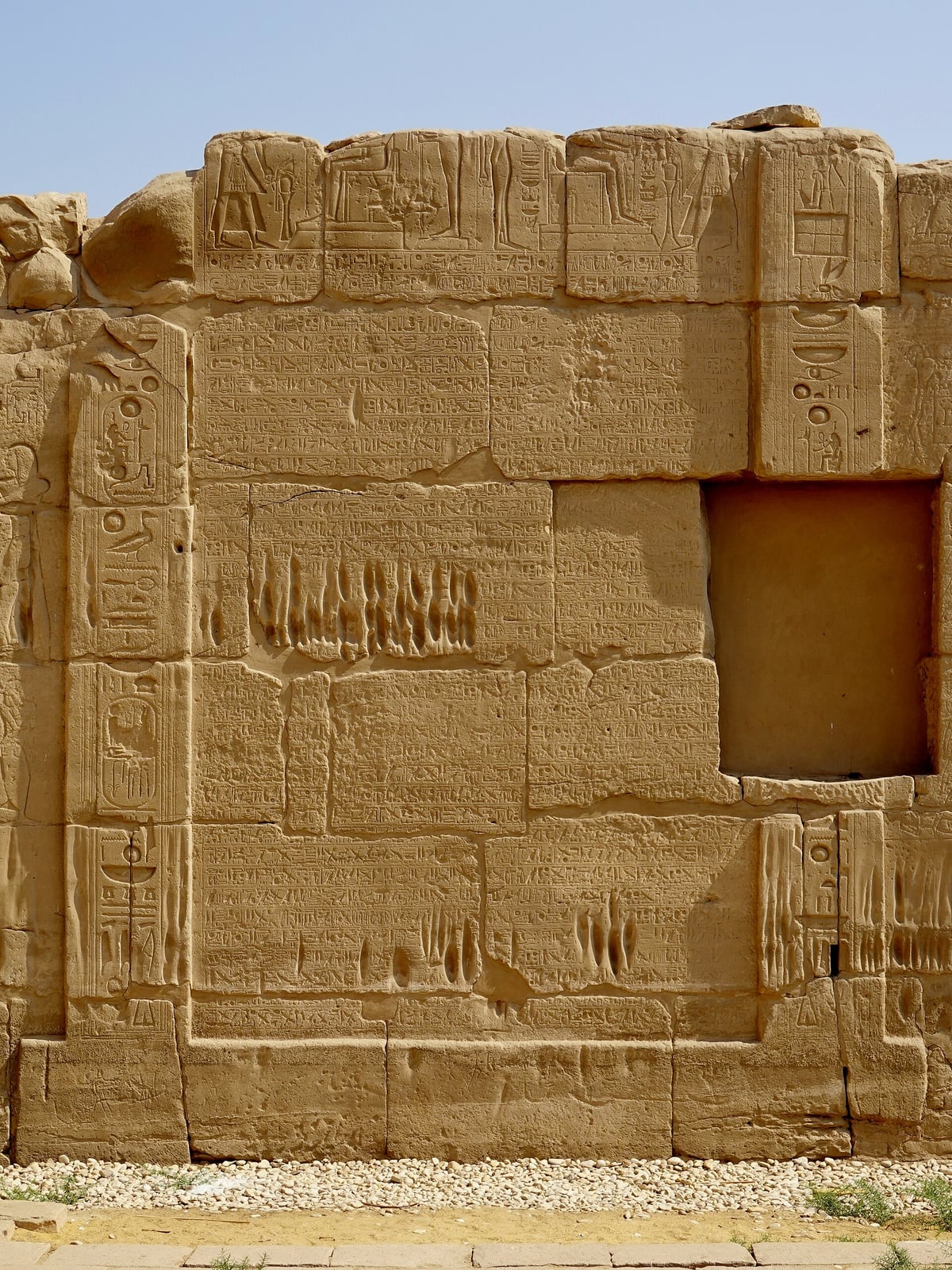
Around 1259 BC, the Egyptian pharaoh Ramesses II and the Hittite king Hattusili III concluded a formal pact to end decades of conflict over the Levant. Engraved on metal tablets that have since been lost, the pact survives through contemporary copies recorded in two separate ancient languages. It stands as the oldest known surviving peace treaty in the world and remains the only diplomatic agreement from the ancient Near East for which versions preserved by both signatories still exist.
The accord brought a formal close to protracted hostilities that had peaked fifteen years earlier. In 1274 BC, Ramesses II marched four divisions into Syria to challenge the Hittites under King Muwatalli II. The ensuing Battle of Kadesh resulted in a bloody tactical stalemate, leaving neither empire capable of establishing undisputed dominion over the region. Although Ramesses II celebrated the engagement on Egyptian temple walls as an absolute triumph, he abandoned efforts to seize central Syria after several later campaigns failed to secure permanent control.

Keep reading in Yester
Coming soon to the App Store
Keep following the story
Sources
- Do You Know World's First International Peace Treaty? (Turkish Museums, Republic of Turkey Ministry of Culture and Tourism)
- Fragment of world's oldest known peace treaty found in Turkey (Live Science)
- Tarihin ilk barış antlaşmasının parçaları Çorum'da bulundu (Euronews Türkçe)
- Egyptian–Hittite peace treaty
Image: Olaf Tausch