Journey to the West Brings the Monkey King into Print
A comic epic retold the monk Xuanzang’s trek with a rebellious monkey as his guard.
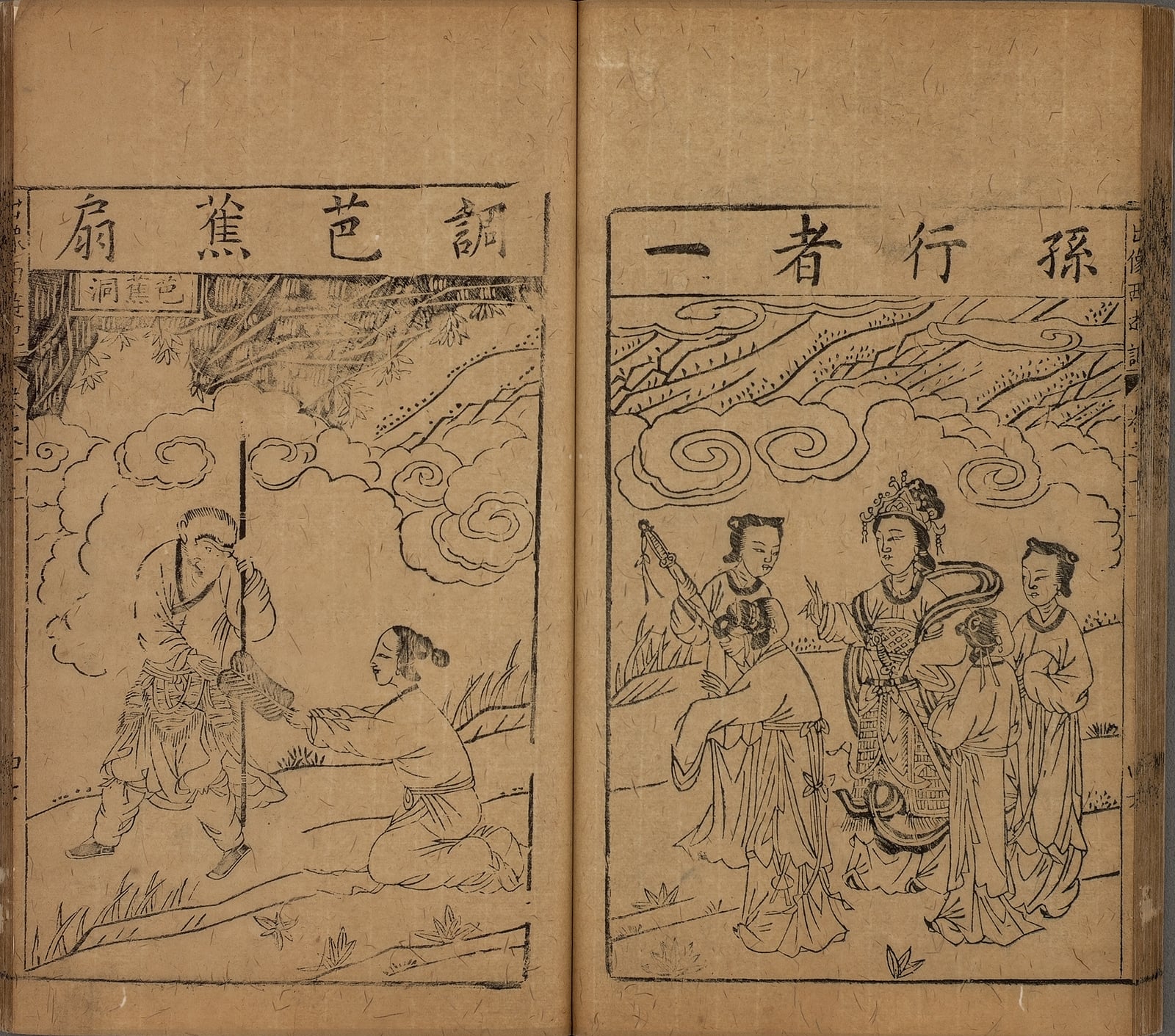
In 1592, a prominent hundred-chapter edition of Journey to the West was published in Nanjing, establishing the canonical written form of one of East Asia's most celebrated narrative traditions. Although earlier editions had appeared between 1522 and 1566, no printed copies of those earlier versions survive. The publication marked the formal culmination of centuries of evolving oral storytelling, popular theatre, and manuscript excerpts that had circulated in colloquial Chinese since at least the Southern Song dynasty and the early Ming era.
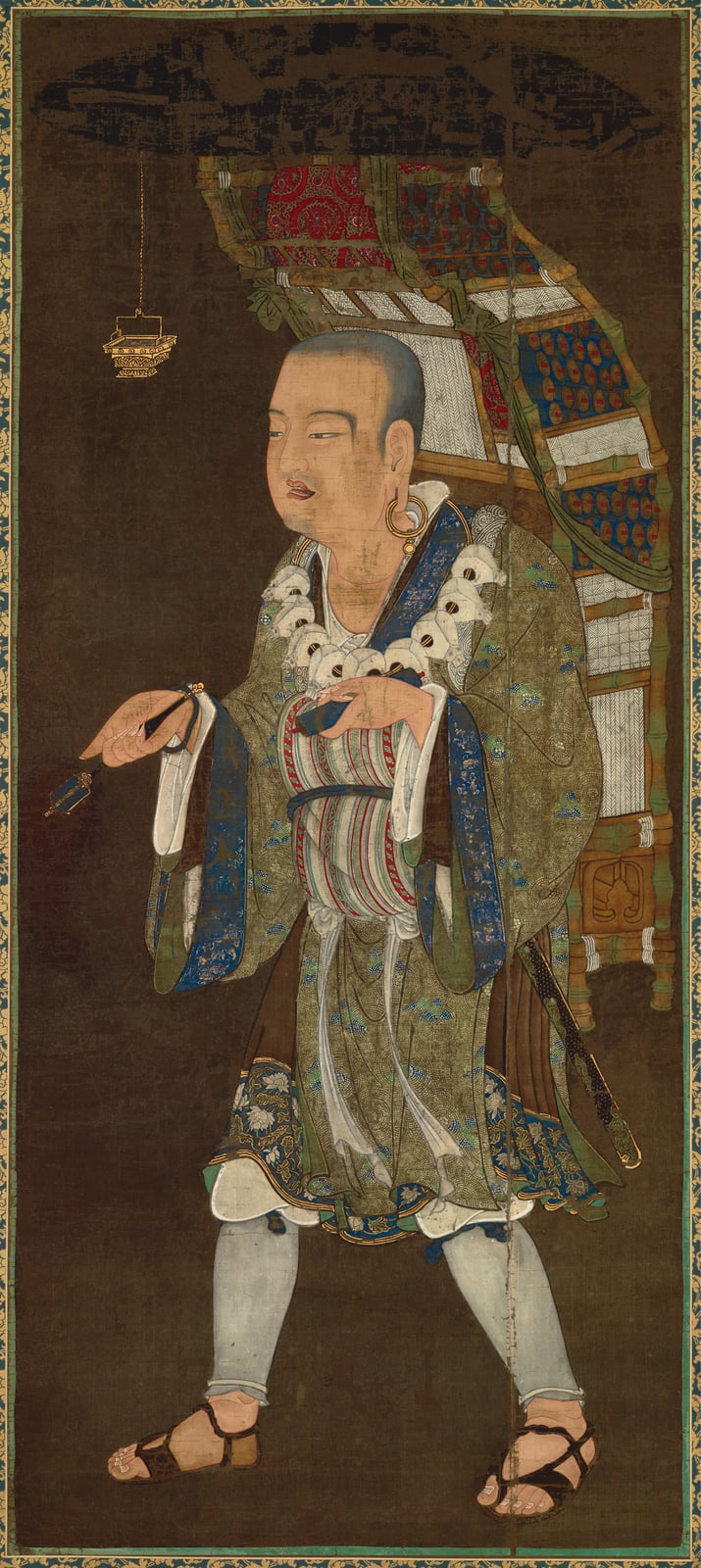
The core framework of the epic derives from the actual historical pilgrimage of the Buddhist monk Xuanzang, who departed the imperial capital Chang'an in 629 in defiance of an imperial travel ban. Xuanzang spent more than a decade studying in India, notably at Nalanda, before returning to Chang'an in 645 with hundreds of Buddhist texts. While Xuanzang recorded his observations in the Great Tang Records on the Western Regions, centuries of popular culture transformed this arduous historical trek into a fantastic saga populated by spirits, celestial deities, and supernatural battles.

Keep reading in Yester
Coming soon to the App Store