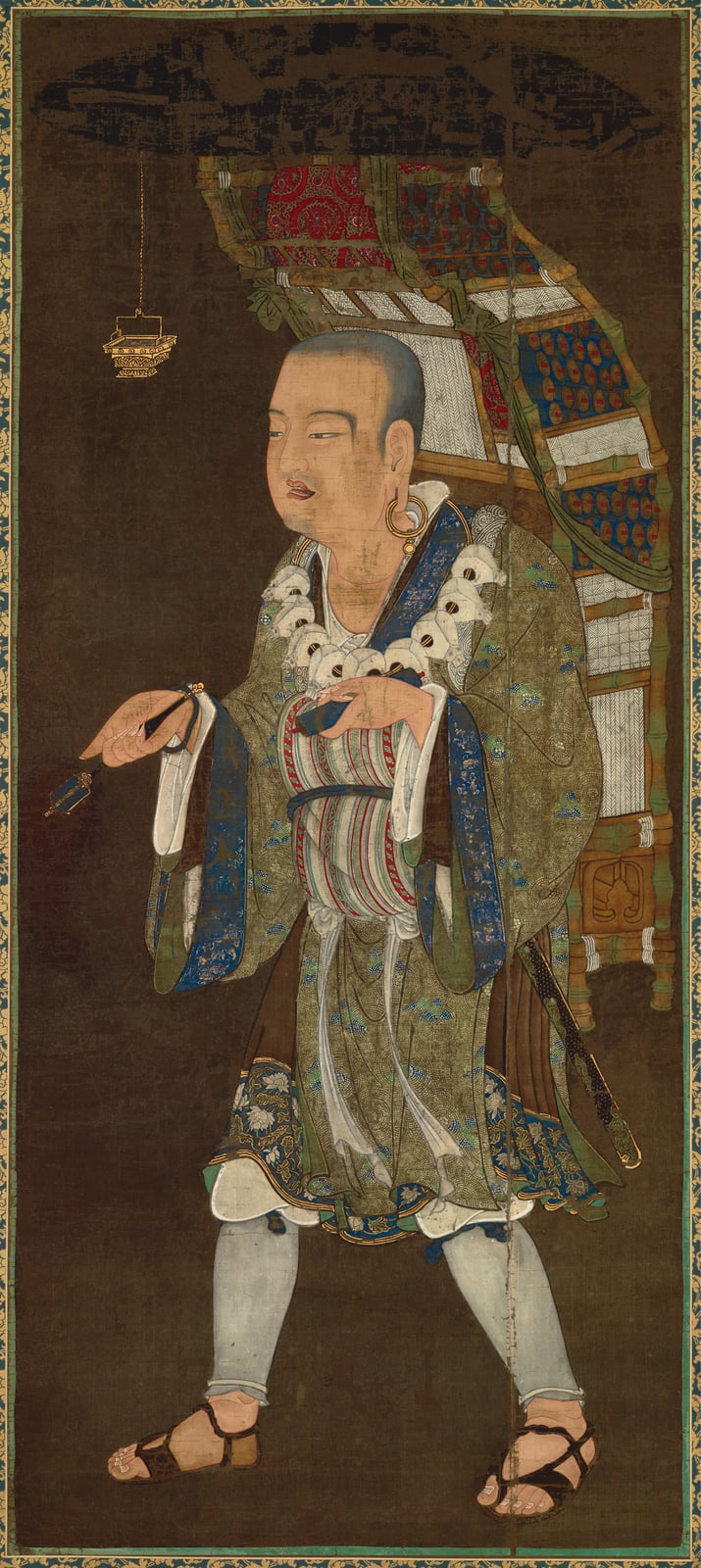
Xuanzang Sets Out for India in Search of Buddhist Texts
A monk crossed deserts and mountains and returned with hundreds of scriptures.
In 629, a Chinese Buddhist monk named Xuanzang slipped past imperial border guards in defiance of a state ban on foreign travel, commencing a sixteen-year overland journey across Central Asia and the Indian subcontinent. Born Chen Hui near Luoyang around 602, he had entered monastic life as a youth during the collapse of the Sui dynasty and attained full ordination at age twenty in Chengdu. Throughout his early studies across China, Xuanzang encountered widespread discrepancies, clashing theories, and mistranslations within the available Buddhist scriptures. Determined to resolve these doctrinal contradictions at their geographic origin, he set out to obtain authentic, untranslated Sanskrit texts directly from India, following the earlier precedent of the fifth-century pilgrim Faxian.
The journey traced an arduous northern arc through the oasis settlements and mountain systems of Central Asia. Passing through the oasis kingdoms of Agni and Kucha, Xuanzang crossed the Tian Shan to Suyab near modern Tokmak, seat of the Western Turkic khan, before heading southwest through Tashkent and into modern Uzbekistan. Despite regional warfare among Turkic factions, he secured patronage, letters of passage, and provisions from several local rulers who shared his Buddhist faith. Turning southward, he crossed the high passes into the Bamiyan valley, where he documented colossal cliffside Buddha carvings, before descending through Kapisi and crossing into the northern reaches of the Indian subcontinent.

Keep reading in Yester
Coming soon to the App Store
Keep following the story
Sources
Image: Unknown author Unknown author