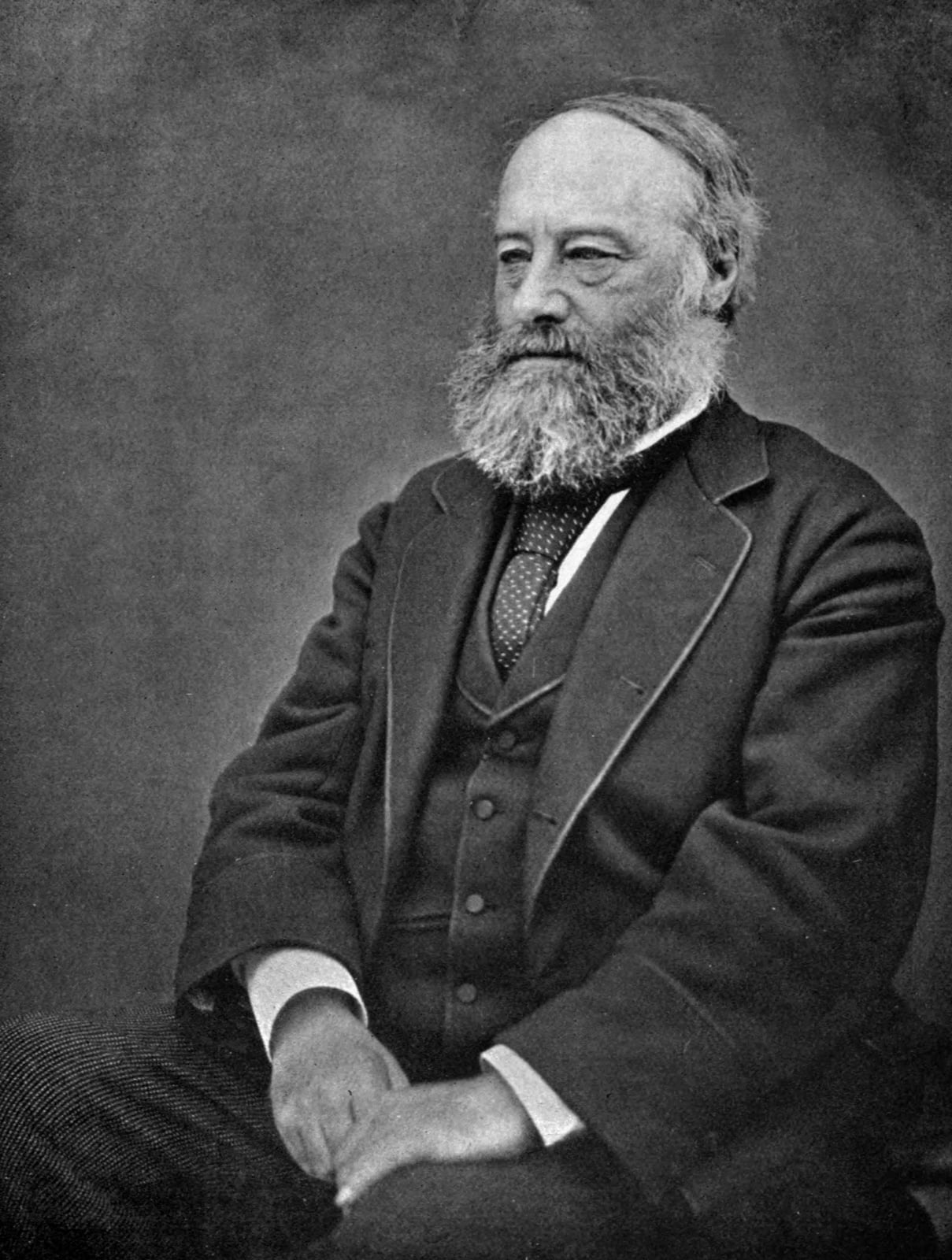
Joule Connects Mechanical Work with Heat
Careful measurements challenged the idea of heat as an indestructible fluid.
In the early 1840s, James Prescott Joule managed his family brewery in Salford while pursuing experimental science outside academic institutions. His initial investigations arose from a practical commercial problem: whether the brewery could operate more cheaply by replacing traditional steam engines with newly invented electric motors. To compare the two systems, he measured the work needed to lift a one-pound weight to a height of one foot. By 1841, he determined that electrical heating in a conductor was proportional to resistance and the square of the current, and he realized that burning coal remained far cheaper than consuming zinc batteries. This inquiry soon led him beyond commercial calculations to investigate whether work and heat were directly interchangeable.
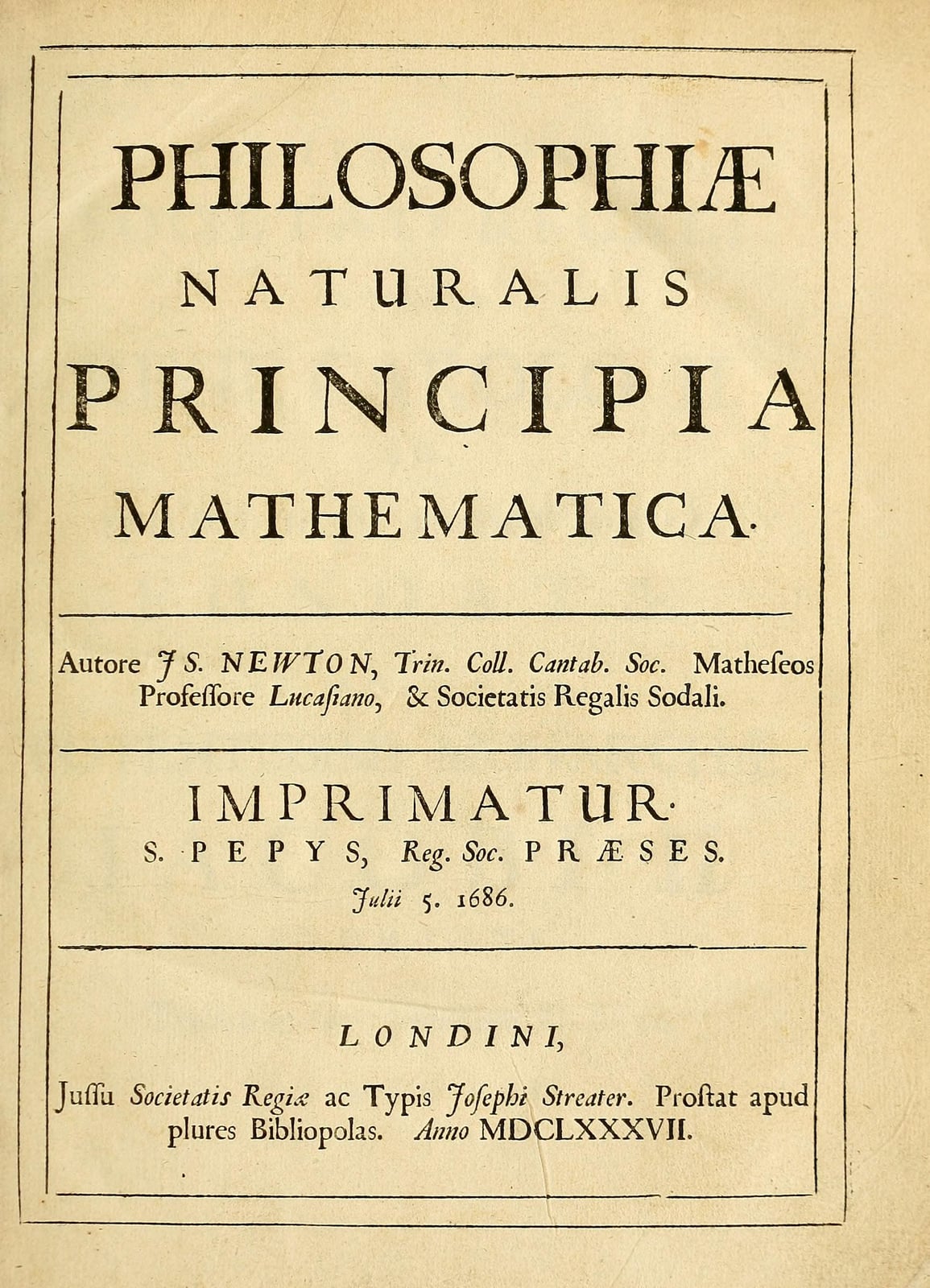
At the time, the prevailing scientific consensus regarded heat as caloric, an invisible, weightless fluid that could neither be generated nor destroyed. Caloric theory, championed by Antoine Lavoisier, formed the basis of Sadi Carnot's successful analysis of heat engines. When Joule published experimental results in 1843 demonstrating that electrical currents actually generated heat within a conductor rather than merely moving it from elsewhere, he directly challenged this dominant doctrine. He calculated an initial mechanical equivalent of heat and presented his findings to the British Association for the Advancement of Science in Cork in August 1843, but the audience received his presentation with complete silence.

Keep reading in Yester
Coming soon to the App Store
Keep following the story
Sources
- Experimental Determination of the Mechanical Equivalent of Heat, S. R. Turns (Penn State Department of Mechanical Engineering)
- On the Mechanical Equivalent of Heat, J. P. Joule, Philosophical Transactions 1850 (Royal Society)
- On the Mechanical Equivalent of Heat, full text (Philosophical Transactions Archive 1665-1869)
- James Prescott Joule (Science Museum Group Collection)
- James Prescott Joule
Image: Henry Roscoe