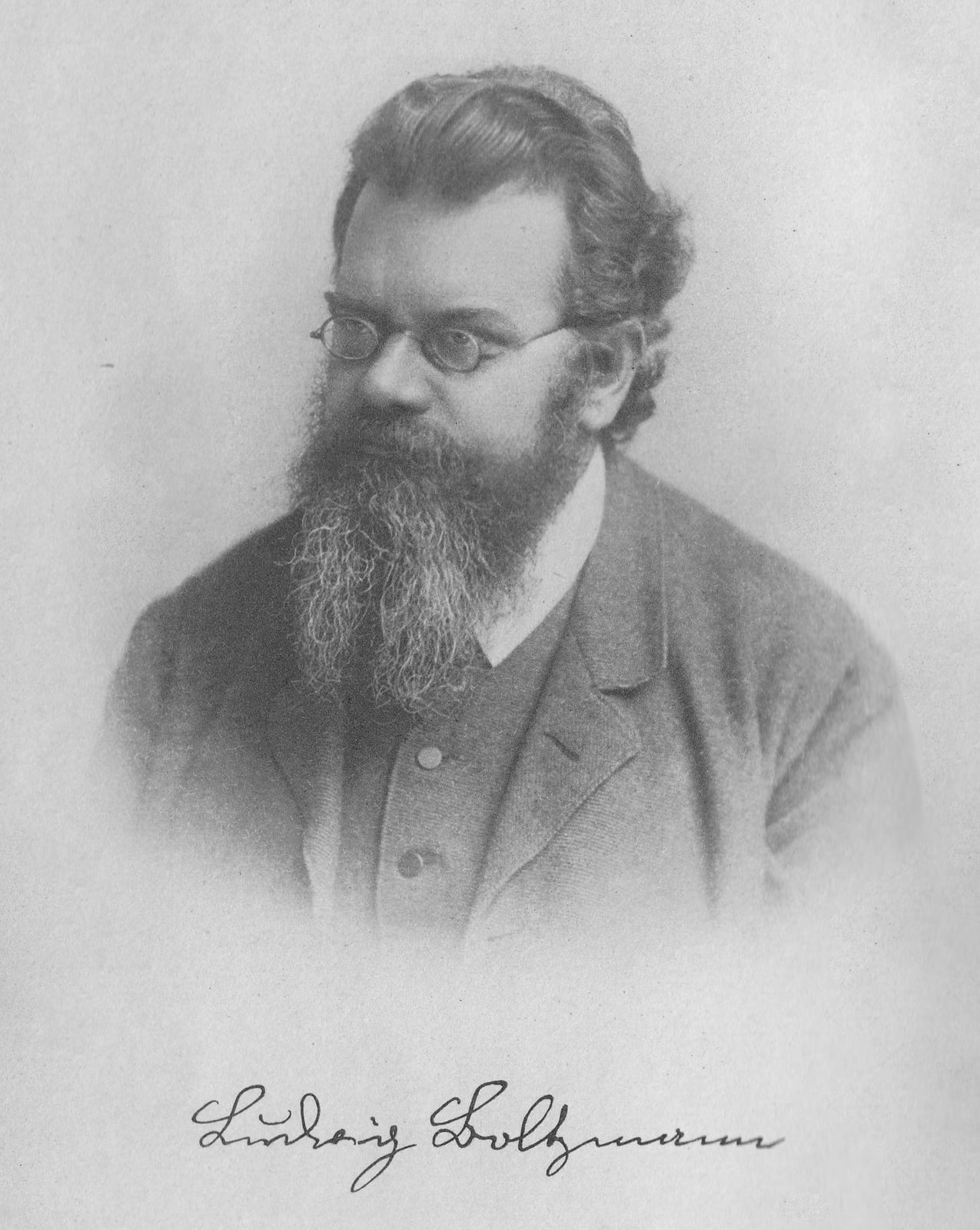
Boltzmann Gives Entropy a Statistical Interpretation
A microscopic approach connected the behavior of particles with thermodynamics.
During the nineteenth century, classical thermodynamics treated heat, pressure, and entropy as macroscopic properties that could be measured and cataloged, without requiring an explanation grounded in the behavior of individual particles. The discipline rested on empirical observations, leaving the physical nature of entropy abstract. While Rudolf Clausius had introduced entropy to formulate the second law of thermodynamics, Newtonian mechanics offered no clear reason why physical processes should display a preferred direction in time. Bridging this gap demanded a mathematical framework that could reconcile the reversible laws of mechanics with irreversible thermal phenomena.
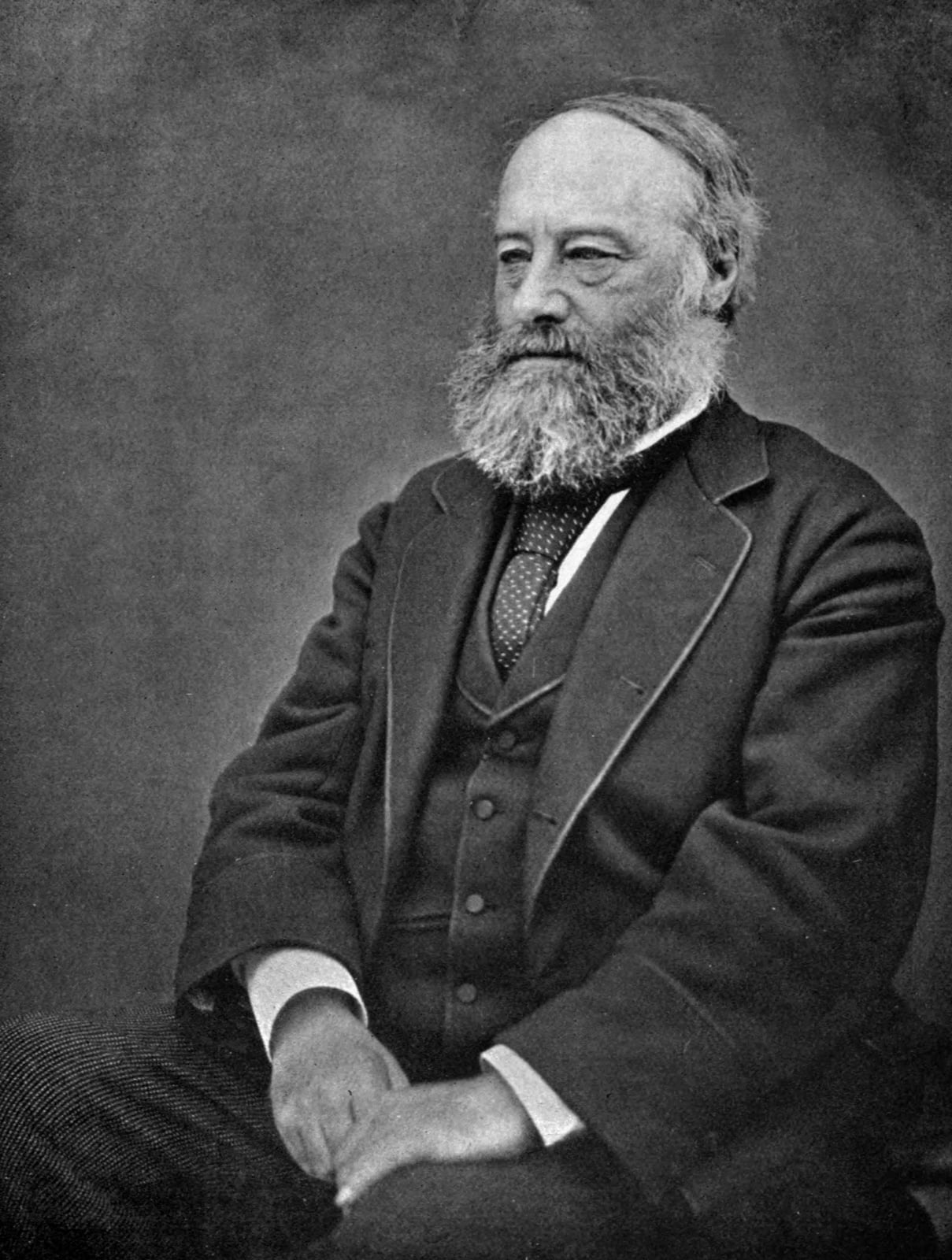
The Austrian physicist Ludwig Boltzmann tackled this problem by embracing the kinetic theory of gases. Having encountered James Clerk Maxwell's statistical descriptions of molecular speeds through his mentor Josef Stefan, Boltzmann sought to place the second law on a firm atomic foundation. In 1877, while serving as a professor in Graz, he published an interpretation that linked entropy directly to probability. He demonstrated that macroscopic thermodynamic states correspond to enormous numbers of microscopic arrangements, or microstates, defined by the positions and momenta of constituent particles.

Keep reading in Yester
Coming soon to the App Store
Keep following the story
Sources
Image: Unknown author Unknown author