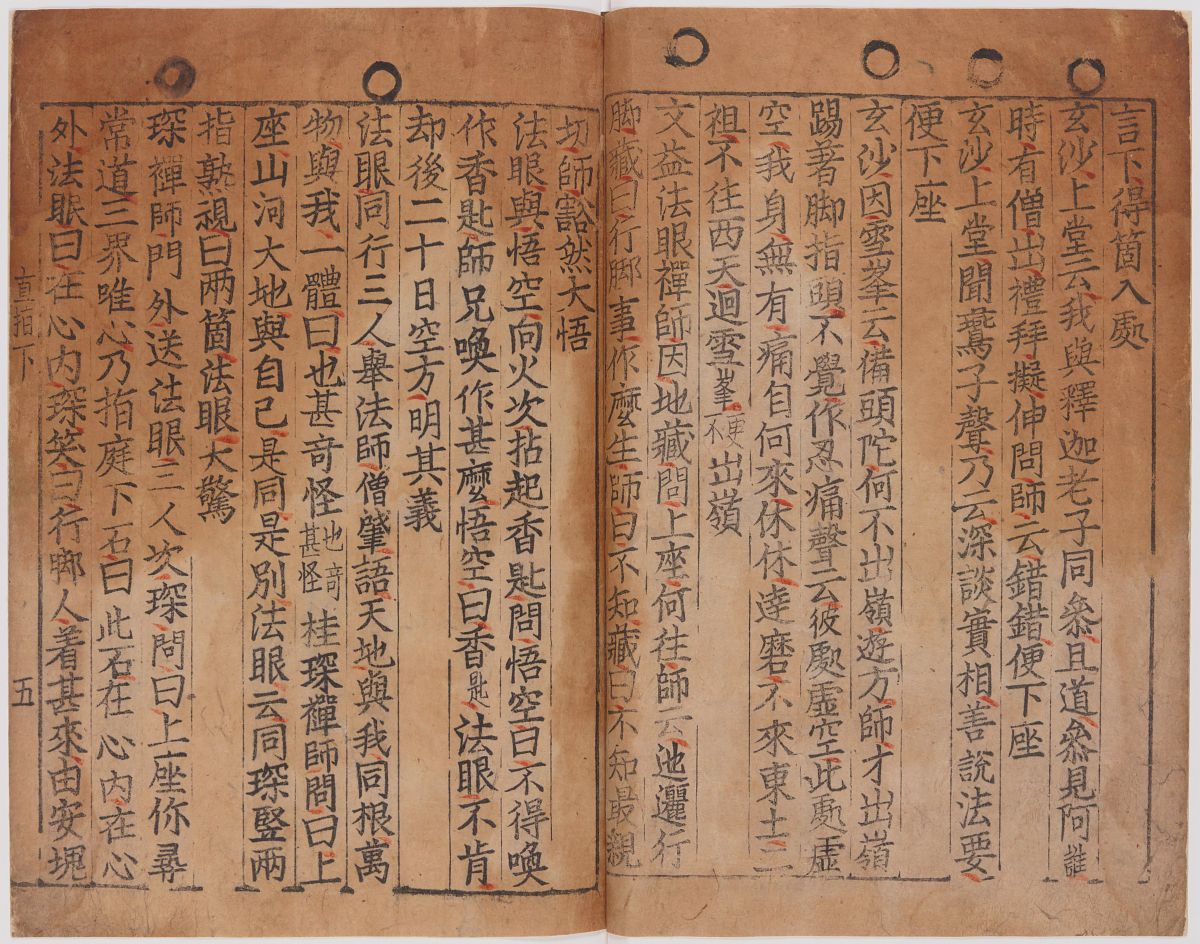
Jikji Preserves an Earlier Chapter of Movable Metal Type
A surviving volume printed in Korea in 1377 changes a Europe-centered account of printing. It demonstrates an important technology without being the beginning of all printed books.
In July 1377, Buddhist monks at Heungdeok Temple in Cheongju completed the publication of an anthology of Zen teachings known as Jikji. Compiled by the monk Baegun as an instructional guide, the work brought together excerpts from revered Buddhist masters across generations. While woodblock editions of the text were produced in 1378 and survive intact, the 1377 imprint was manufactured using movable metal type. Only the second volume of this original metal printing has survived to the modern era, but its surviving pages document that movable metal typography was actively utilized in Goryeo Korea decades prior to its development in fifteenth-century Europe.
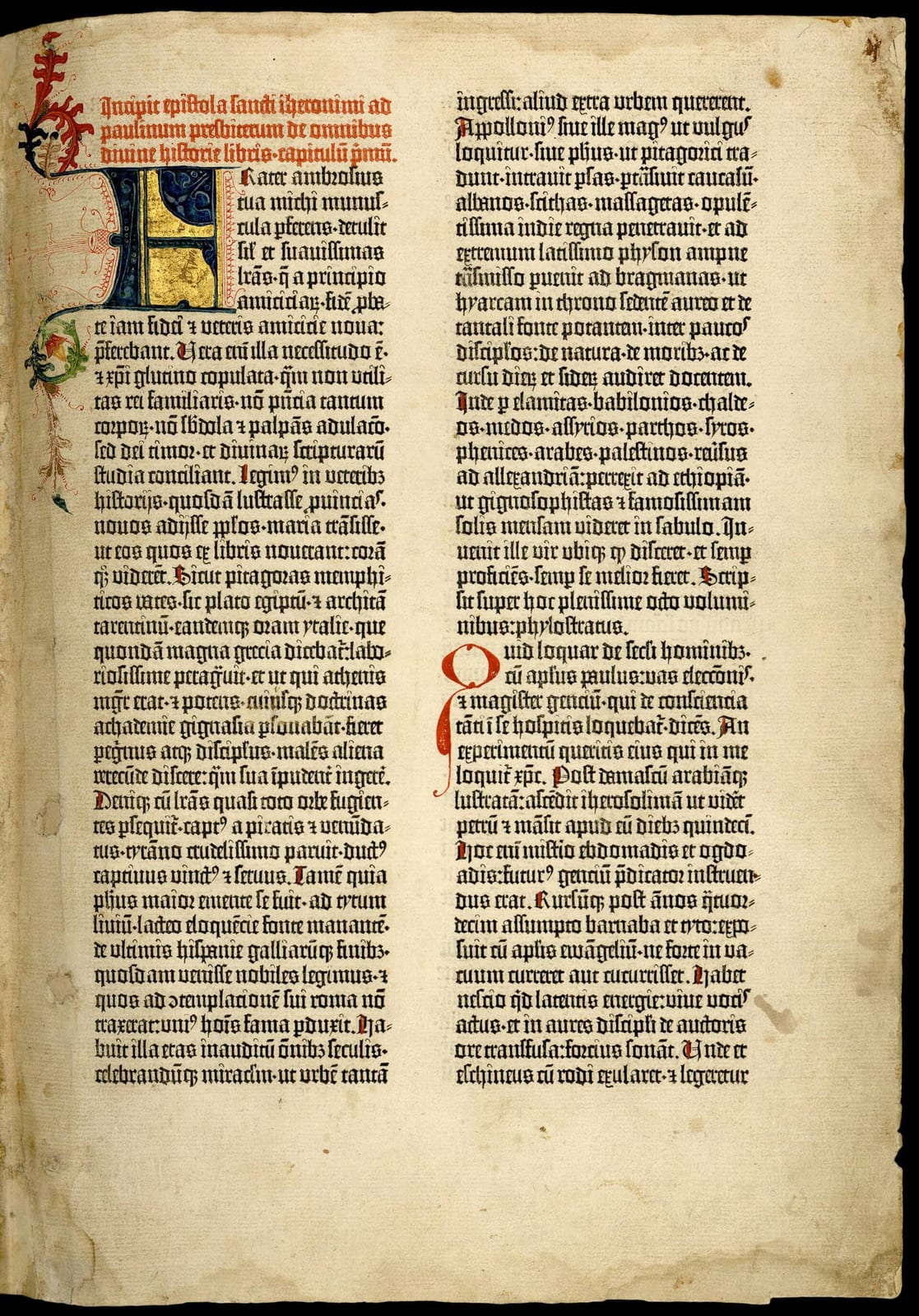
The physical evidence within the surviving volume illustrates an early and distinct approach to metal printing. Scholars and conservators note that the lines of text are somewhat irregular and askew, while the density of the ink varies across the leaves. Certain characters appear reversed, such as the characters for day and one, and others failed to impress fully onto the thin paper. These variations reflect the casting and typesetting methods of the Goryeo period, which differed mechanically from the techniques later developed independently by Johannes Gutenberg.

Keep reading in Yester
Coming soon to the App Store
Keep following the story
Sources
Image: Unknown author Unknown author