Hangul Changes Who Can Write Korean
A new alphabet was designed around the sounds of Korean. Announcing it was one achievement; overcoming the prestige and power of an older writing system took much longer.
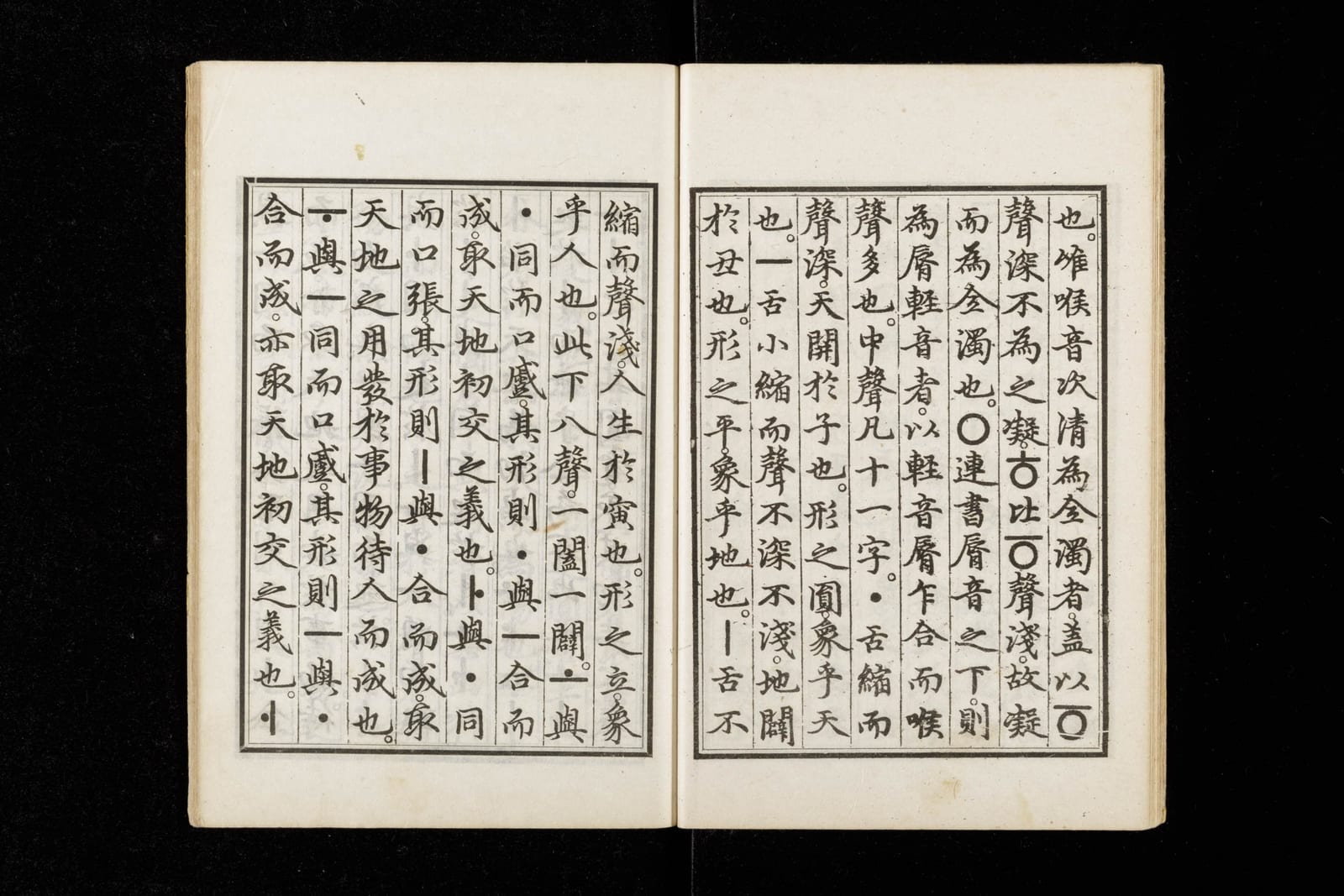
In 1446, the Korean court published an explanation of a new writing system. The Hunminjeongeum introduced letters developed under King Sejong, completed a few years earlier, that could represent the sounds of Korean more directly. The problem was practical and political at once. People spoke a language different from the classical written language dominating elite institutions. Learning the prestigious system required substantial education, leaving many unable to express themselves in writing on terms they could readily master.
The new alphabet organized letters through a deliberate design. Basic consonant shapes related to features of pronunciation, while additional strokes distinguished related sounds. Letters were assembled into syllable blocks rather than simply written as an unbroken row of separate units. That combination helped give the script its distinctive appearance. Its systematic character did not make learning unnecessary, but it offered a different relationship between spoken language and written marks from the one most ordinary people had previously confronted.

Keep reading in Yester
Coming soon to the App Store
Keep following the story
Sources
Image: Government of Joseon