Delhi’s Iron Pillar Resists Rust for 1,600 Years
Gupta smiths forged a seven-metre column whose iron still barely corrodes.
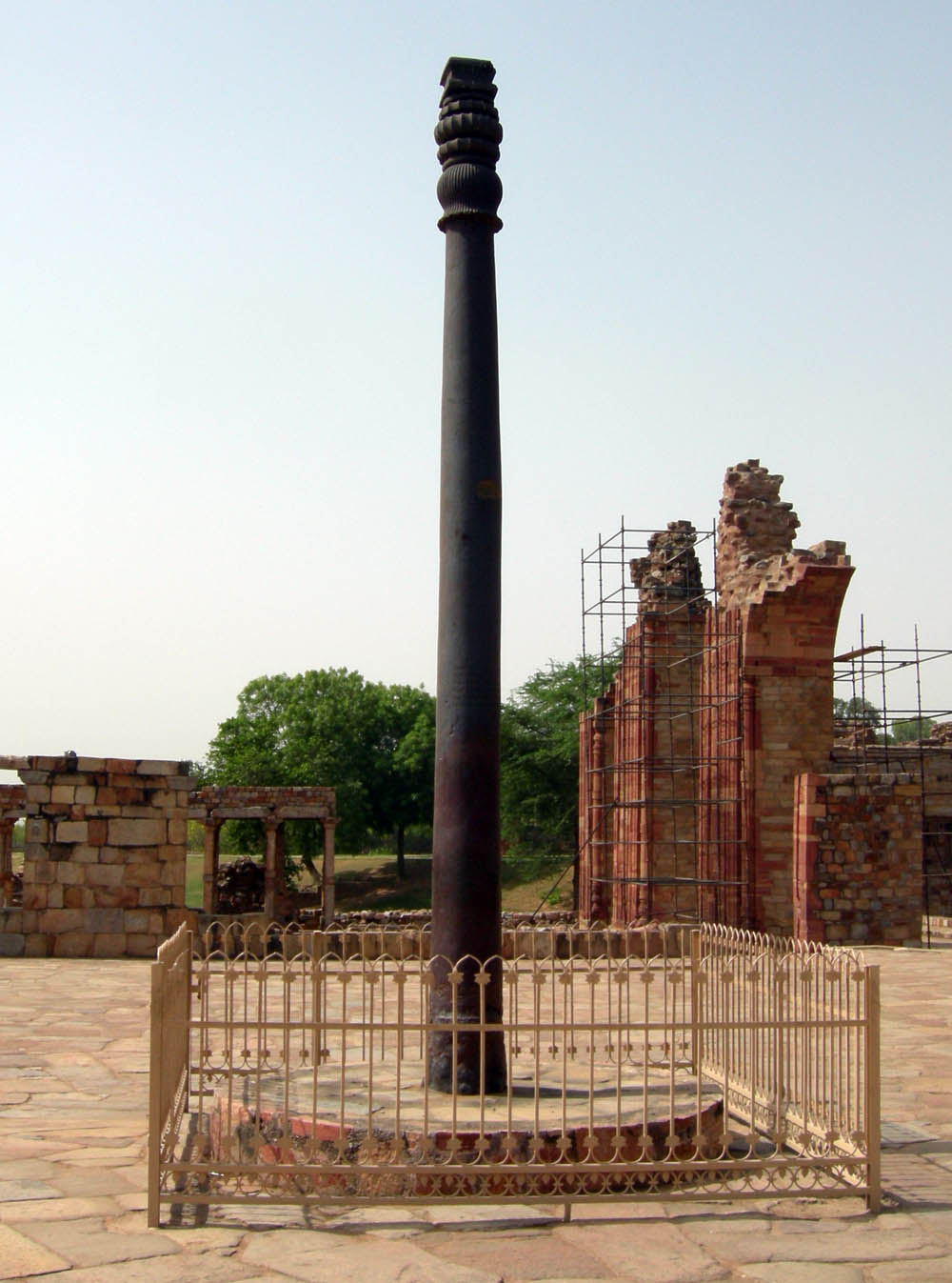
Standing in the Qutb complex at Mehrauli in Delhi, the iron pillar rises 7.21 metres from its base, with just over one metre embedded beneath the courtyard floor. The wrought-iron shaft measures 41 centimetres in diameter and weighs an estimated six tonnes, crowned by a carved bell capital. Despite standing exposed to the elements for roughly sixteen centuries, the monument displays exceptional resistance to atmospheric decay, bearing only a thin, uniform patina across its surface.
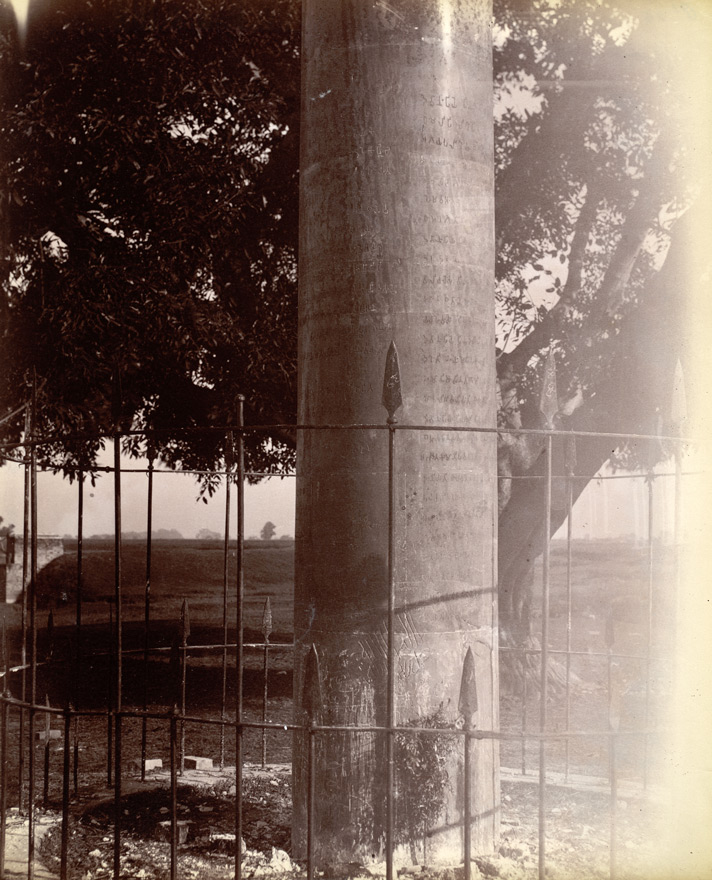
The primary inscription carved into the shaft is composed in Sanskrit verse using the eastern Gupta script, recording a tribute to a monarch named Chandra who established the pillar as a standard of the deity Vishnu on a hill named Vishnupada. Most scholars identify this sovereign with Chandragupta II, who ruled Northern India around 375 to 415 CE. His identification is supported by paleographic similarities to other fourth- and fifth-century imperial inscriptions, matching royal numismatic titles, and references to regions consistent with the Gupta Empire.

Keep reading in Yester
Coming soon to the App Store
Keep following the story
Sources
- On the corrosion resistance of the Delhi iron pillar, by R. Balasubramaniam (Corrosion Science 42, 2000; author's copy, IIT Kanpur)
- Iron mask: anti-corroding metallurgy found in Delhi's famous iron pillar (Down To Earth, 31 August 2002)
- New Delhi's Iron Pillar has been exposed to the elements for centuries. So why hasn't it ever shown signs of rust? (CNN Travel)
- Iron pillar of Delhi
Image: Photograph taken by Mark A. Wilson (Department of Geology, The College of Wooster). [1]