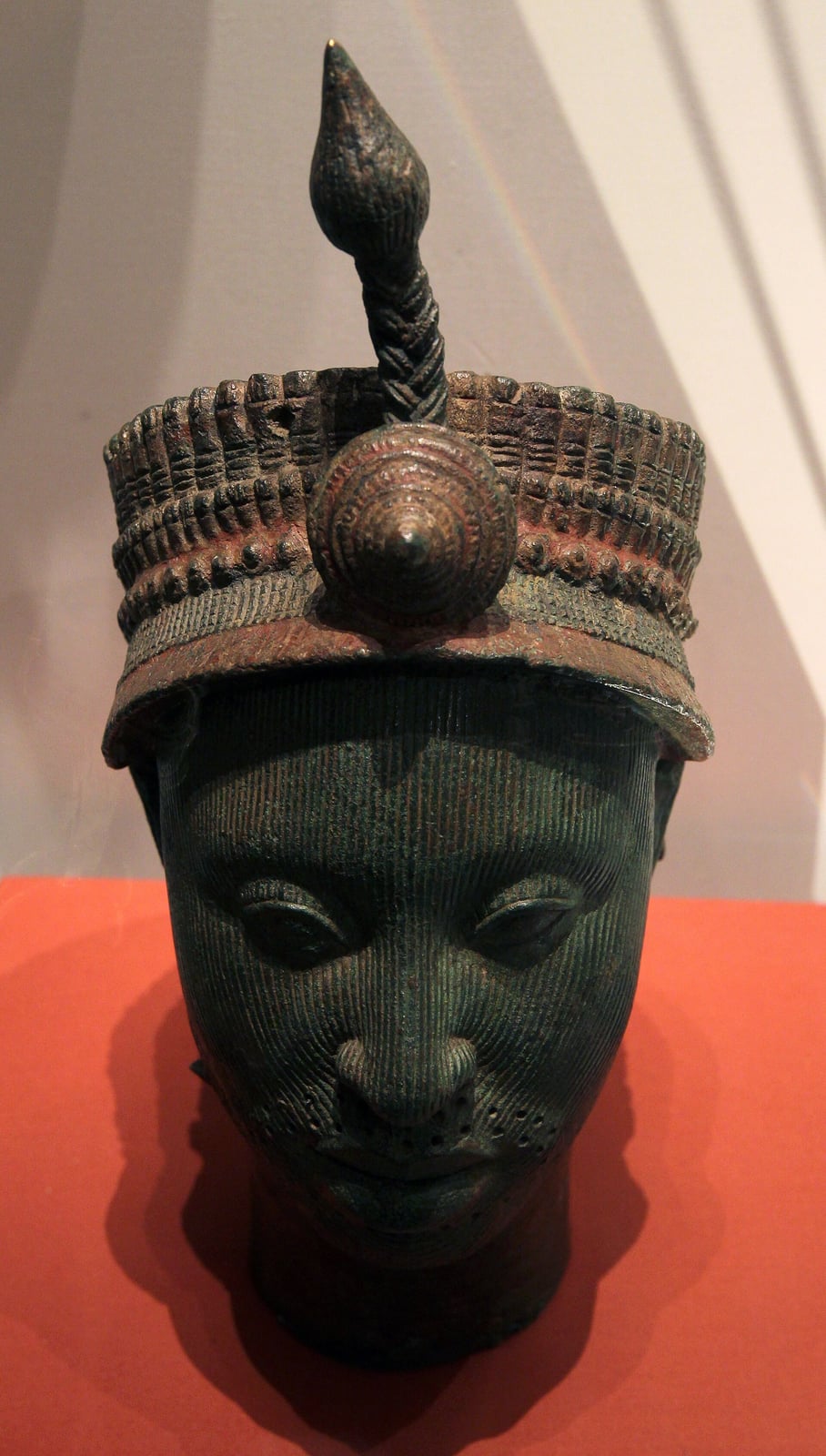
Ife Artists Cast Naturalistic Heads in Copper Alloy
Portrait heads from Ife changed outside views of African art.
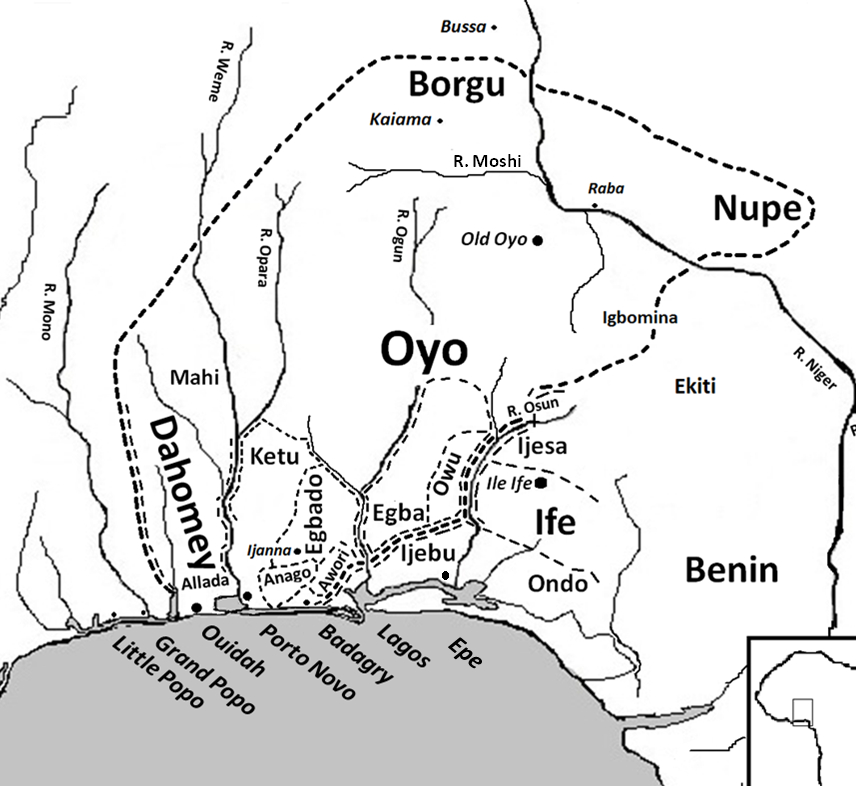
In 1938, laborers digging foundations for a domestic building in the Wunmonije Compound in Ife, Nigeria, uncovered a cache of remarkable metal sculptures. Among the finds were seventeen copper alloy heads and the upper section of a figure, buried in the historic heart of the Yoruba kingdom. The town served as the spiritual and royal capital of the Yoruba, who regarded it as the sacred location where deities first created humanity. The sculptures, generally dated to the fourteenth or fifteenth century, belonged to an era of widespread regional commerce along the River Niger, during which the city flourished as an influential artistic and political center.
The recovered heads, cast using the lost-wax method, demonstrate a sophisticated mastery of metalworking and an unusual naturalism. Made a little under life size, the piece now held by the British Museum stands thirty-five centimeters tall and is made of a heavily leaded zinc-brass alloy. Its face features delicate vertical striations across the skin, while the lips remain ungrooved. The ruler wears an elaborate headdress composed of layered tubular beads and tassels, topped by a crest with a beaded roundel. Traces of red and black paint preserved on the surface indicate that the metal was originally highlighted with vivid color.

Keep reading in Yester
Coming soon to the App Store
Keep following the story
Sources
- The Ife Head, Af1939,34.1 (British Museum Collection Online)
- Ife head: Brass head of a ruler (British Museum on Google Arts & Culture)
- William Bascom and the Ife Bronzes: Reconstructing Histories of Expropriation and Repatriation in Nigeria (African Arguments)
- PhD Candidate Tomos L. Evans Publishes Three New Articles on Famous Ife Bronzes (William & Mary Anthropology)
- Nigerian Treasures: Ife heads (National Geographic History)
- The African sculptures mistaken for remains of Atlantis (CNN)
- Bronze Head from Ife
Image: Vassil