Byzantium Fights over Holy Images
Emperors and churchmen clashed over whether icons should be venerated.
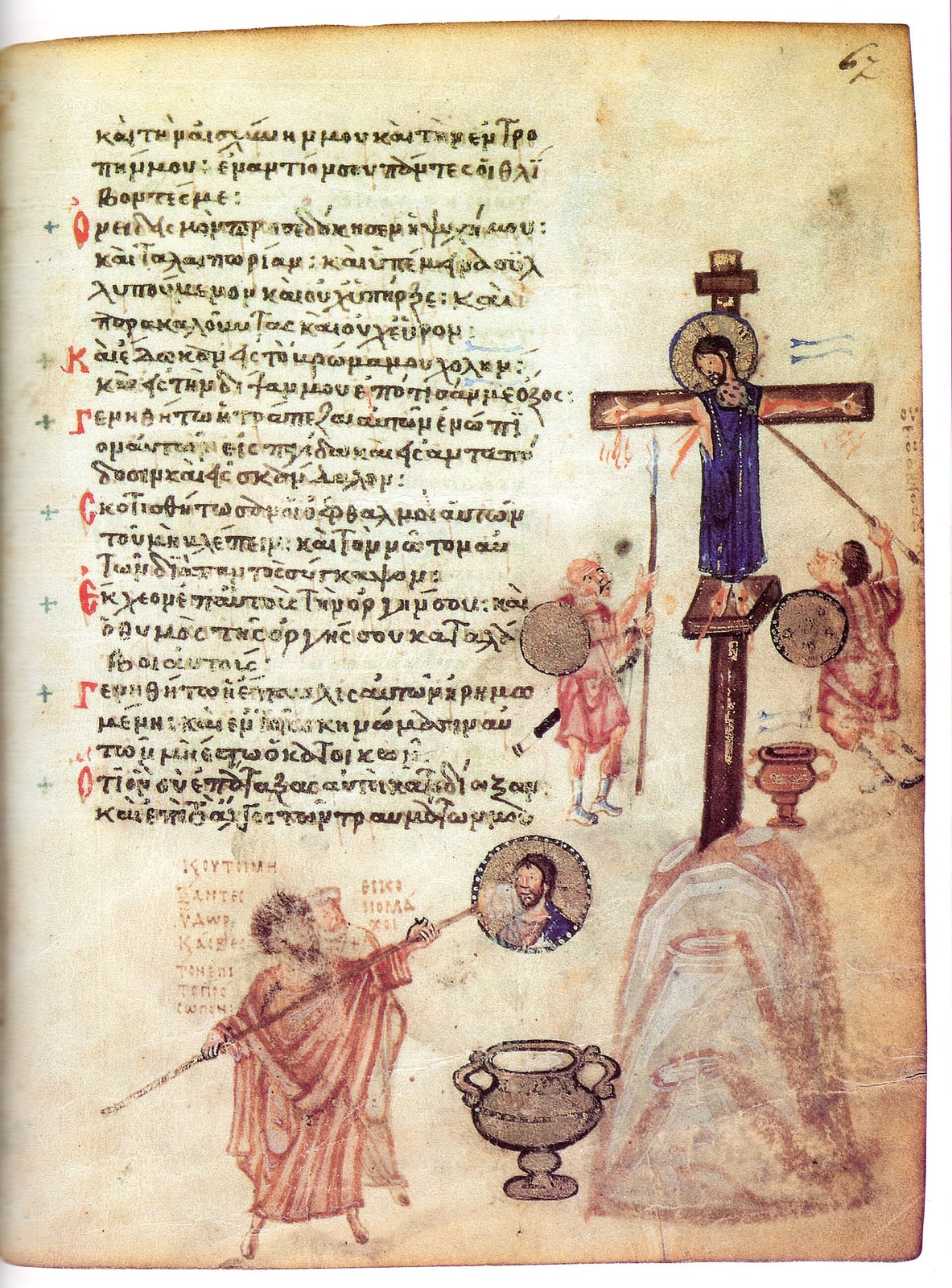
In the summer of 726, a massive submarine volcanic eruption shook the Aegean Sea between Thera and Therasia, casting ash across the waters and prompting deep anxiety within the Byzantine Empire. To Emperor Leo III and many of his contemporaries, such natural disasters, accompanied by persistent external military crises, looked like divine retribution against imperial society. Traditional narratives maintain that Leo identified the veneration of religious paintings and mosaics as the source of God's wrath, prompting him to inaugurate a state campaign against religious images. Later partisan accounts claimed he ordered the replacement of a famous Christ icon at the imperial palace's Chalke Gate with a plain cross, marking the conventional opening of the Byzantine image struggle.
Modern historical analysis treats these traditional beginnings with caution. The surviving documentary record is overwhelmingly biased, written almost entirely by iconophiles after their ultimate victory. Hostile chroniclers and hagiographers routinely blackened the reputations of Leo III and his successors while destroying or rewriting opposing tracts. Surviving letters from Germanos I, the contemporary Patriarch of Constantinople, suggest that anxieties over image veneration actually surfaced earlier among provincial bishops in Asia Minor, such as Constantine of Nakoleia and Thomas of Klaudioupolis. Germanos did not initially describe the emperor as an enemy of icons, and evidence of systematic imperial decrees before 730 remains scarce, suggesting the debate evolved organically out of existing clerical disputes rather than an immediate imperial initiative.

Keep reading in Yester
Coming soon to the App Store
Keep following the story
Sources
Image: Unknown author Unknown author