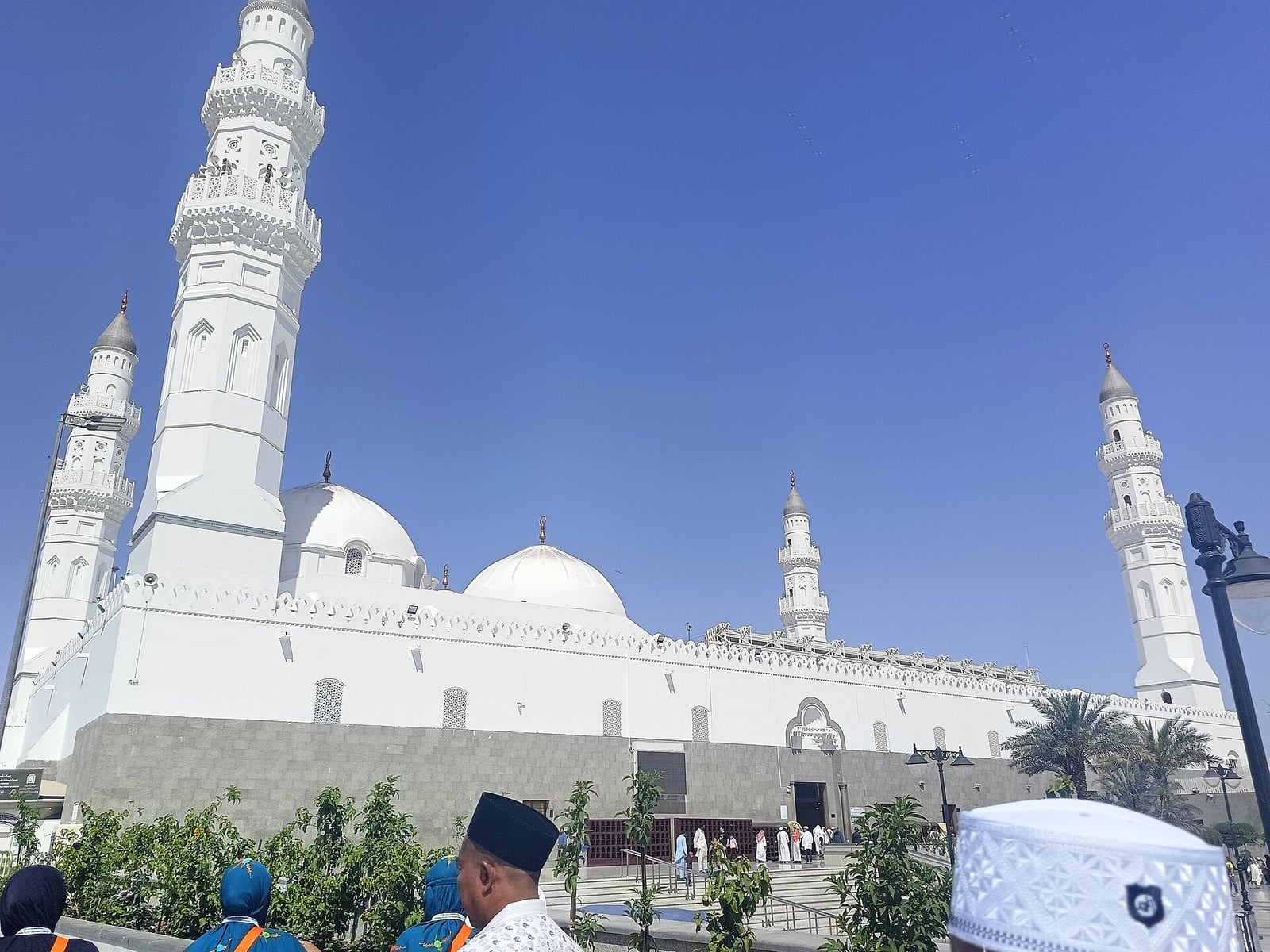
Muhammad’s Migration to Medina Begins the Islamic Calendar
The move from Mecca to Medina became year one of the Islamic era.
In the early seventh century, the early Muslim community in Mecca endured intense hostility from the ruling Quraysh leaders. As preaching continued beyond an initial circle of close relatives and associates, opposition escalated into economic boycotts, torture, killings, and broader religious persecution. The crisis deepened near the end of the 610s with the death of Muhammad's uncle Abu Talib, who had long provided crucial protection against rival clan figures. Deprived of local patronage, Muhammad sought support beyond Mecca, directing his attention toward pilgrims and visitors attending regional fairs.
A decisive opening appeared in 620 when Muhammad encountered six travelers from the Banu Khazraj, an Arab tribe residing in the oasis city of Medina, situated more than 260 miles north of Mecca. Medina was inhabited by agricultural Jewish communities, including the Banu Qaynuqa, Banu Nadir, and Banu Qurayza, alongside two Arab tribes, the Aws and the Khazraj. These two Arab groups had fought intermittently for nearly a century. Looking for a way to reconcile their long-standing feud, the Khazraj visitors accepted Muhammad's teachings and took word of his leadership back to their settlement.

Keep reading in Yester
Coming soon to the App Store
Keep following the story
Sources
Image: Indonesiagood