Arab Armies Defeat the Sasanians at al-Qadisiyyah
A four-day battle opened Mesopotamia and Persia to the early Islamic conquests.
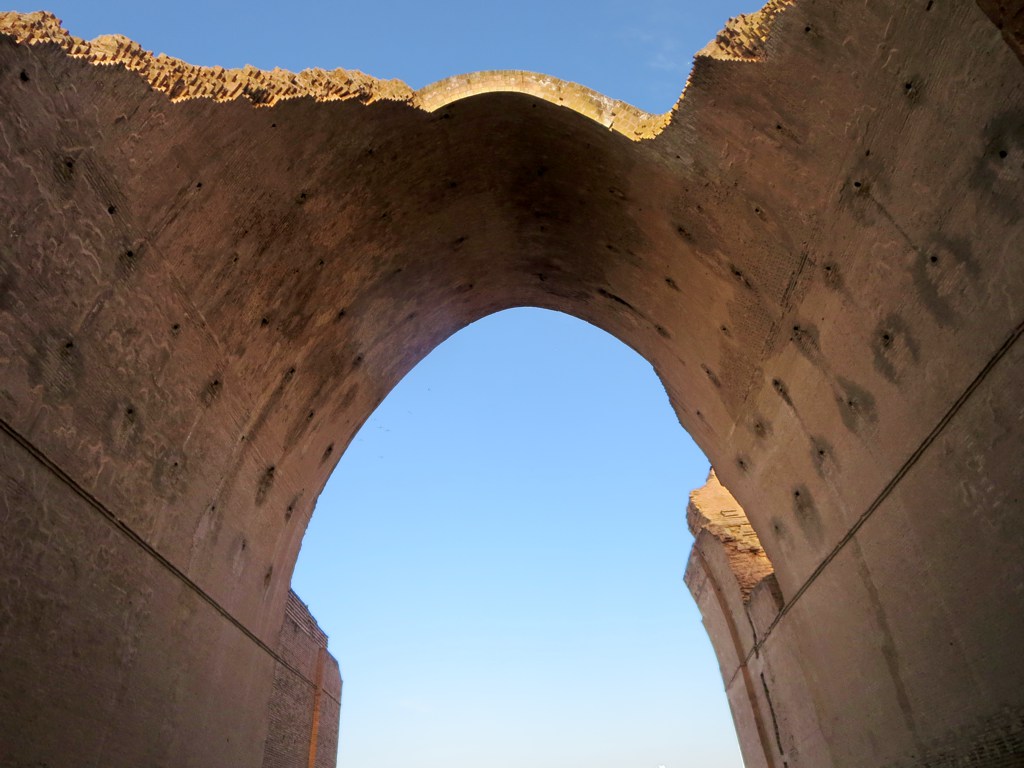
In the mid-630s, most often dated to 636 or 637, the armies of the Rashidun Caliphate and the Sasanian Empire clashed in a confrontation that traditional accounts say lasted four days at al-Qadisiyyah, south of modern Kufa in Iraq. Both empires had spent decades exhausted by the prolonged Roman and Sasanian conflict of 602 to 628, followed by internal Sasanian civil conflicts that left the young Yazdegerd III on the imperial throne. After earlier Muslim thrusts into Iraq stalled, Caliph Umar ibn al-Khattab gathered a new volunteer force from across the Arabian peninsula. He entrusted overall operational command to Sa'd ibn Abi Waqqas, an early follower of Muhammad, directing him to position his troops near the western bank of the Ateeq River.
The Sasanian commander, Rustam Farrokhzad, crossed the waterway to engage the Caliphate force. The sources are unclear about the size of either army; some modern historians estimate around 30,000 soldiers on each side, though traditional accounts often attributed far higher numbers to the Sasanians. The imperial ranks featured heavy cavalry and an Indian elephant division consisting of over thirty beasts, while the Rashidun army comprised four tribal infantry corps supported by light cavalry. Sa'd, incapacitated by severe boils and sciatica, supervised the battlefield from the roof of a nearby royal structure, relying on Khalid ibn Urfuta and lines of messengers to convey commands.

Keep reading in Yester
Coming soon to the App Store
Keep following the story
Sources
Image: David Stanley