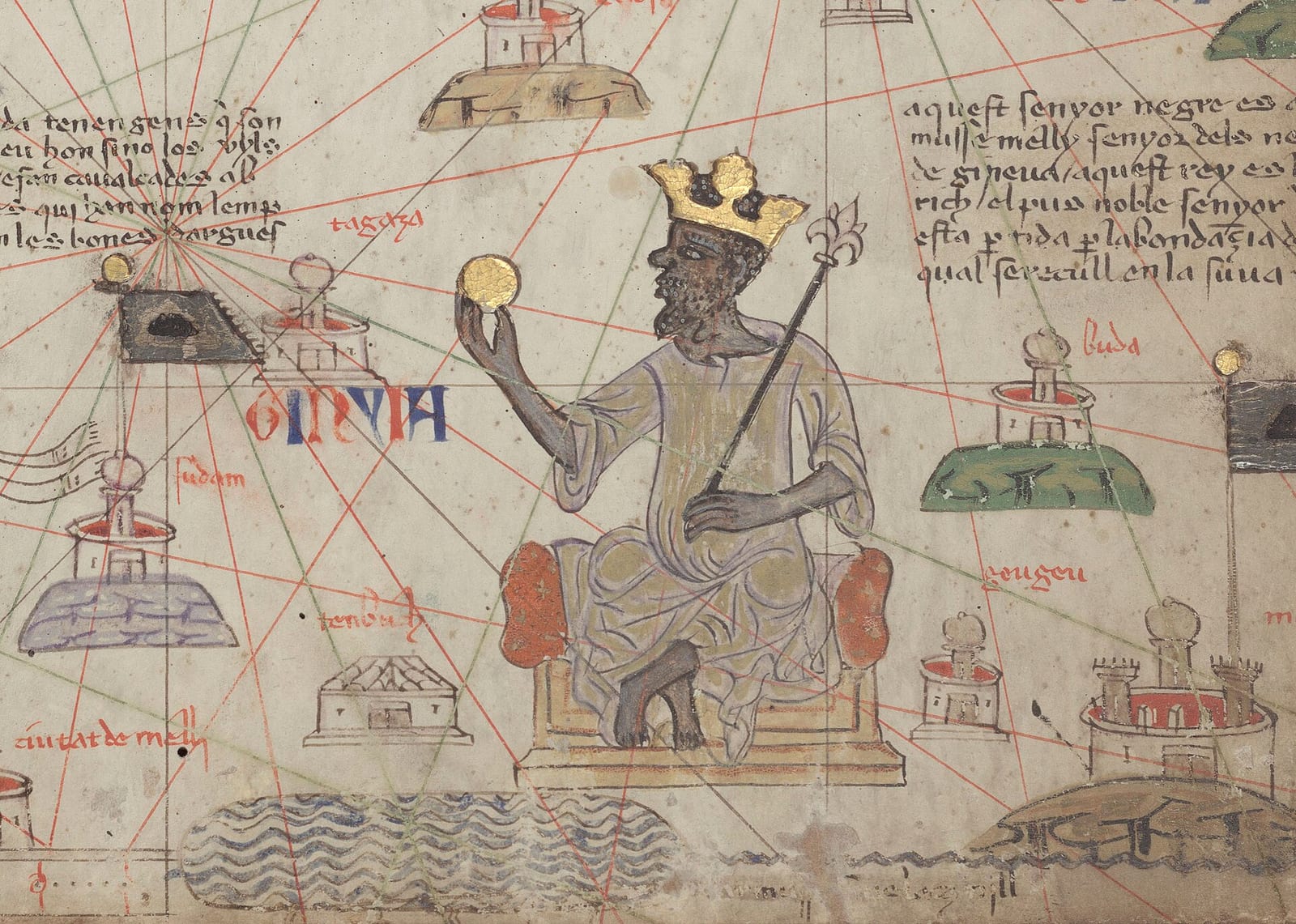
Mansa Musa’s Pilgrimage Puts Mali on the Map
A pilgrimage carried the ruler of Mali’s reputation across the medieval world. The gold was spectacular, but the trade routes and relationships behind it are the deeper story.
In 1324, the ruler of Mali passed through Cairo on a pilgrimage to Mecca. Mansa Musa traveled with a large entourage and distributed gold on a scale that impressed contemporary observers. Reports of the journey carried his reputation far beyond West Africa. The story is often retold as a competition to identify the richest person who ever lived. That modern ranking is less reliable, and less revealing, than asking what made his wealth and journey possible.
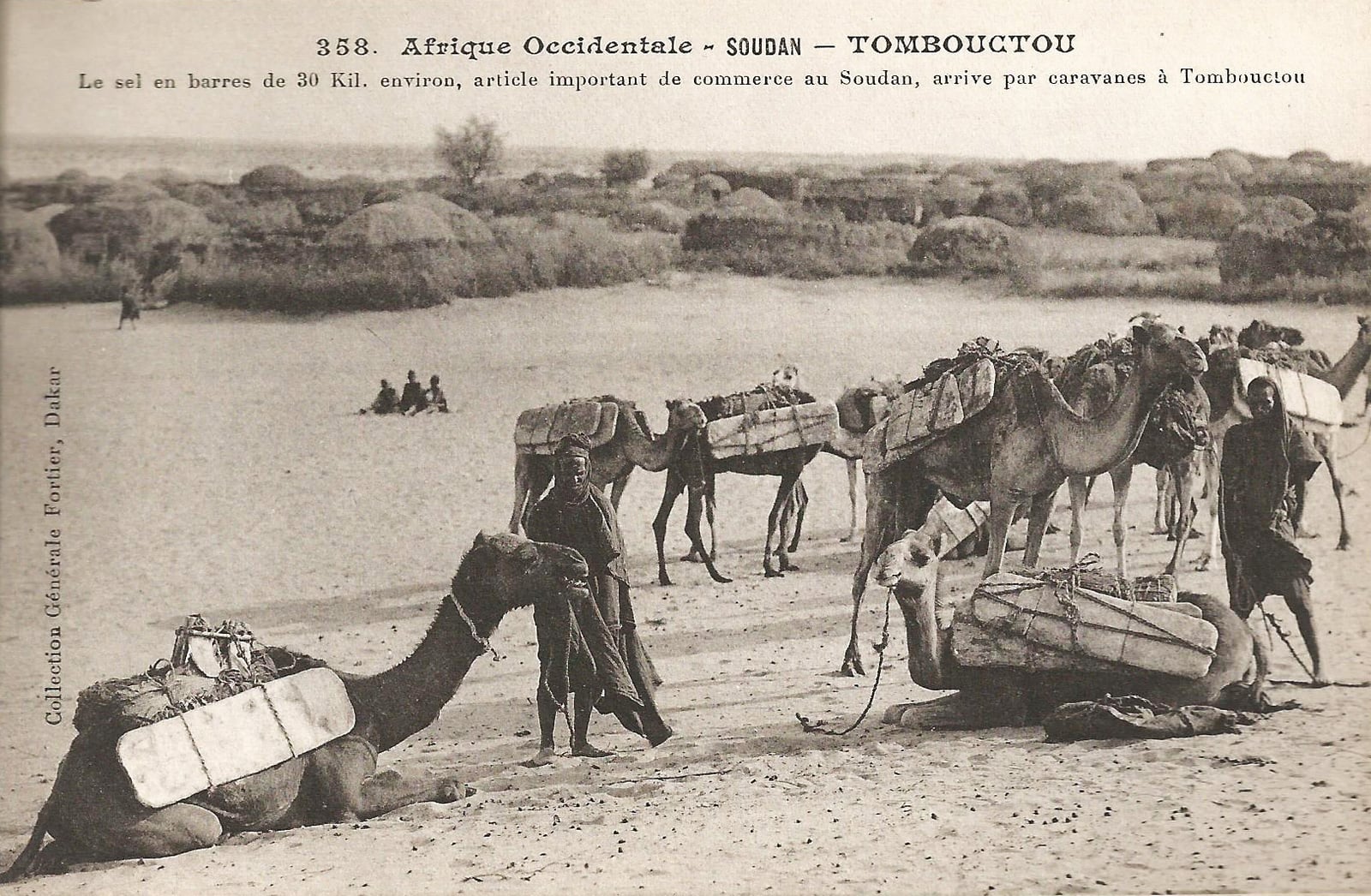
Mali occupied an important position in networks linking West African gold-producing regions with trade across the Sahara. Its power depended on people, routes, political relationships and resources, not on a treasure room detached from the surrounding world. Caravans connected different ecological zones and commercial communities. The desert was difficult to cross, but it was not an absolute barrier separating supposedly isolated societies. Musa’s pilgrimage made an already connected empire spectacularly visible to observers along one of those routes.

Keep reading in Yester
Coming soon to the App Store
Keep following the story
Sources
Image: attributed to Abraham Cresques