The Hudson’s Bay Company Receives Its Royal Charter
A fur-trading company was granted rights over the vast lands that drain into Hudson Bay.
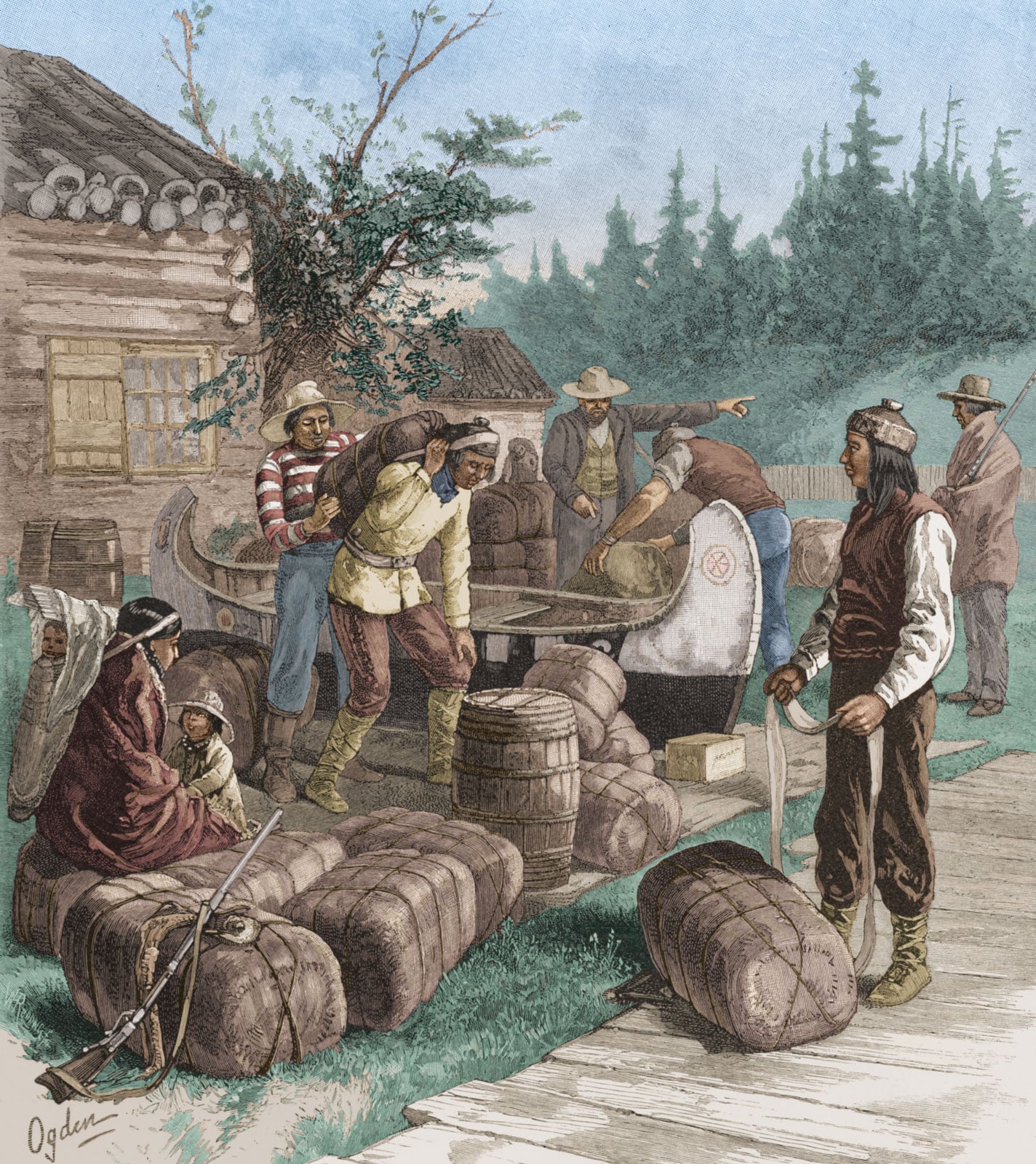
On 2 May 1670, King Charles II issued a royal charter incorporating The Governor and Company of Adventurers of England, trading into Hudson's Bay. The legal grant conferred sole trade and commerce over Rupert's Land, an enormous territory defined by all rivers and streams flowing into Hudson Bay. Although its precise geographic boundaries remained uncertain at the time, the drainage basin encompassed over 3.8 million square kilometres, covering more than one-third of present-day Canada and extending into the northern United States.
The initiative that led to the charter began with two French fur traders, Pierre-Esprit Radisson and Médard des Groseilliers. After learning from Cree sources that rich fur grounds lay north and west of Lake Superior near an icy sea, they sought French colonial backing to establish a maritime trade route into the bay. Authorities in New France rejected their proposals, fined them for trading without a licence, and confiscated their cargo. Seeking other sponsors, the traders travelled to New England and eventually arrived in London in 1665, where they secured the patronage of Prince Rupert of the Rhine, cousin to the king.

Keep reading in Yester
Coming soon to the App Store
Keep following the story
Sources
Image: Henry Alexander Ogden (Harry Ogden)