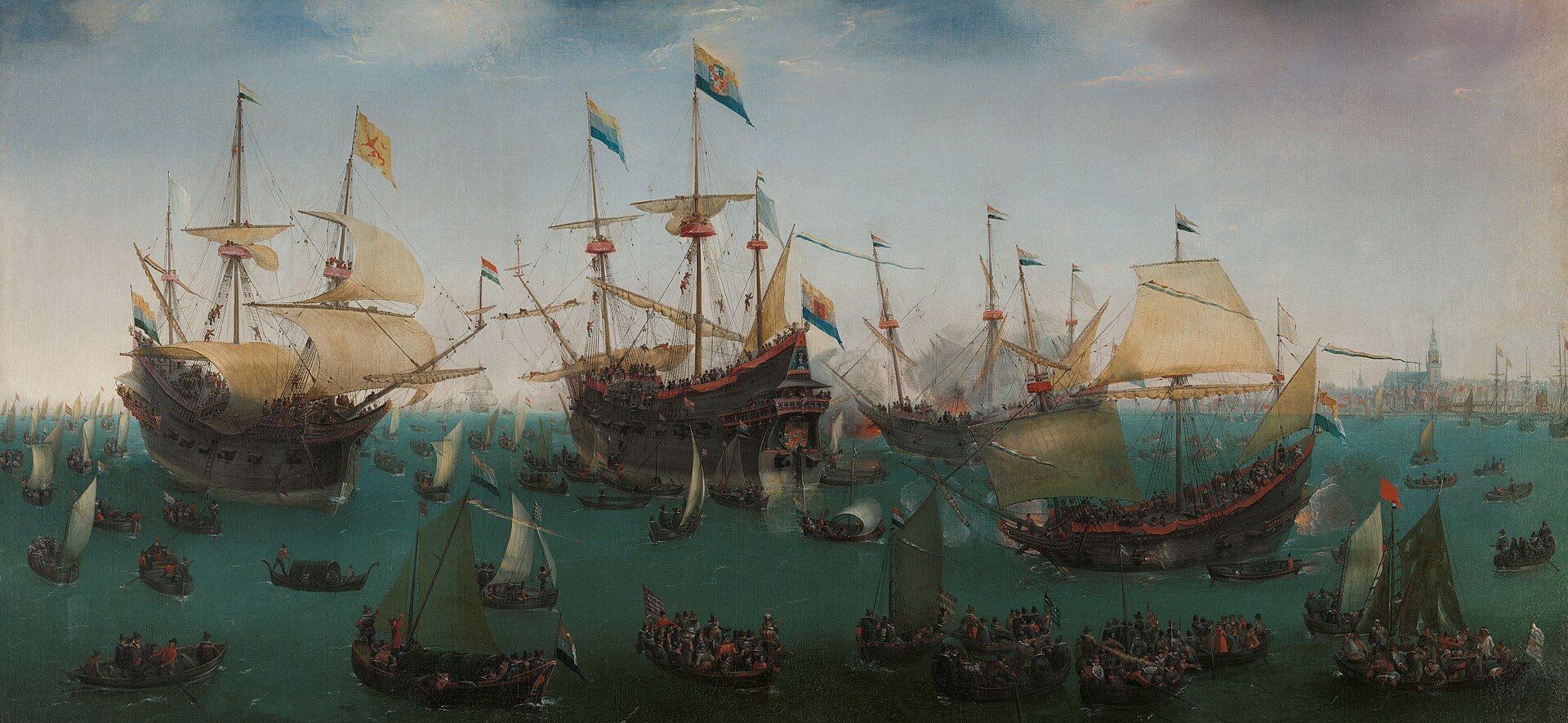
Duyfken’s Crew Become the First Europeans Known in Australia
Willem Janszoon’s men charted part of Cape York, thinking it belonged to New Guinea.
In late 1605, the small Dutch vessel Duyfken departed the trading post of Bantam on the island of Java. Operating under instructions from the Dutch East India Company, known as the VOC, the ship was tasked with searching for potential commercial opportunities across the little-known regions located to the south and east. Commanded by skipper Willem Janszoon, the light and swift vessel navigated southeast toward Banda and the Kei Islands before tracking along the southern coast of New Guinea.
Bypassing the shallow waters around False Cape, Janszoon steered his course east-southeast until his crew sighted unfamiliar land in early 1606. This coast belonged to the western edge of the Cape York Peninsula in northern Australia. Duyfken made landfall at the Pennefather River along the Gulf of Carpentaria, charting portions of the shoreline. While Indigenous peoples had inhabited these regions for tens of thousands of years, this encounter stands in documentary records as the earliest authenticated European sighting of and landing on the Australian mainland.

Keep reading in Yester
Coming soon to the App Store
Keep following the story
Sources
Image: Hendrick Cornelisz Vroom