William of Normandy Wins at Hastings
A day of fighting brought Norman rule to England.
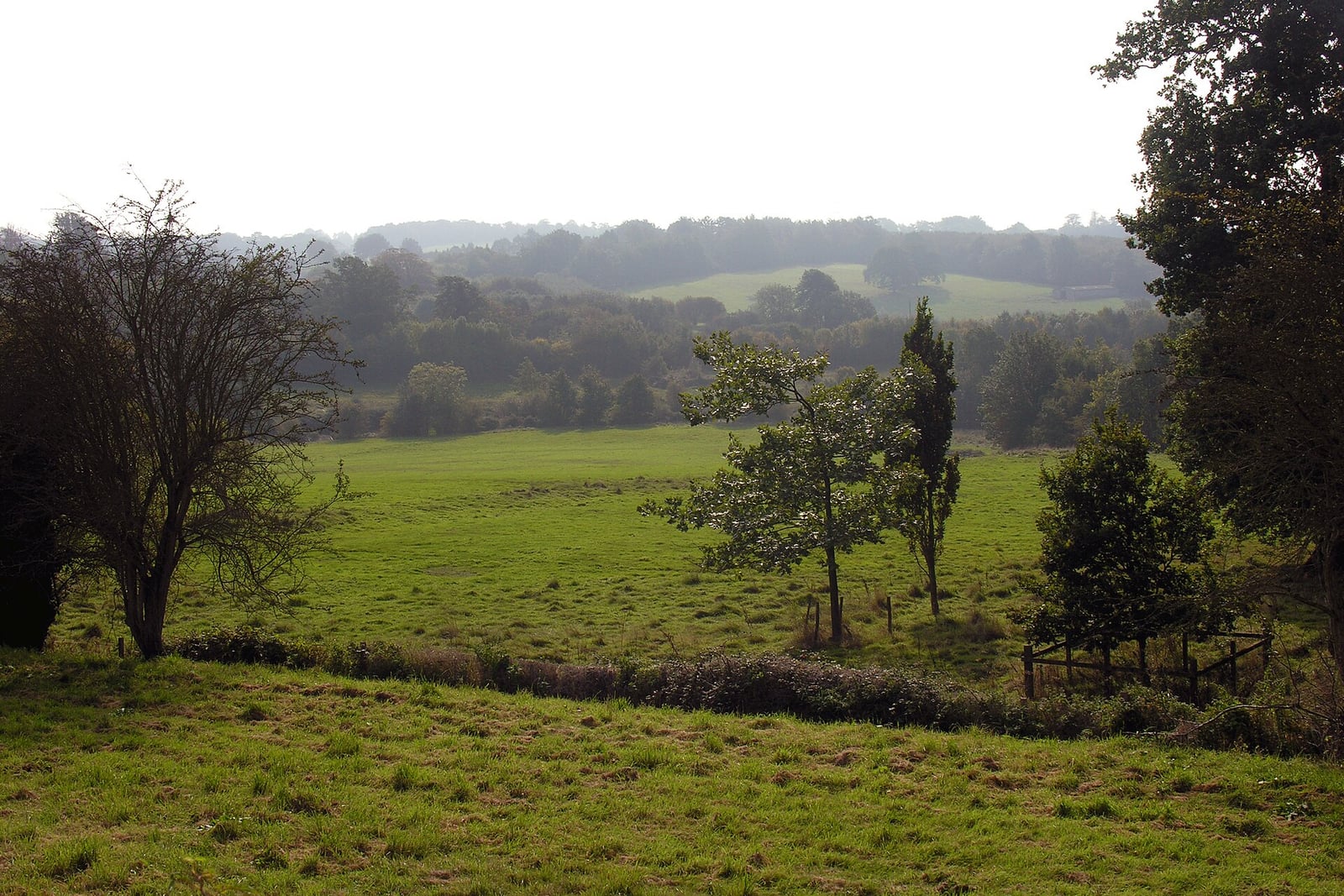
On Saturday, 14 October 1066, an invading army under William, Duke of Normandy, confronted the English forces of King Harold Godwinson several miles northwest of Hastings, near modern Battle in East Sussex. The confrontation followed a tumultuous succession crisis triggered by the death of the childless King Edward the Confessor in January of that year. Harold had assumed the crown, but he immediately faced competing claims from both William across the Channel and King Harald Hardrada of Norway. After marching north to decisively defeat an invading Scandinavian army at Stamford Bridge on 25 September, Harold learned that William had landed at Pevensey three days later, compelling the English king to rush his depleted army back south.
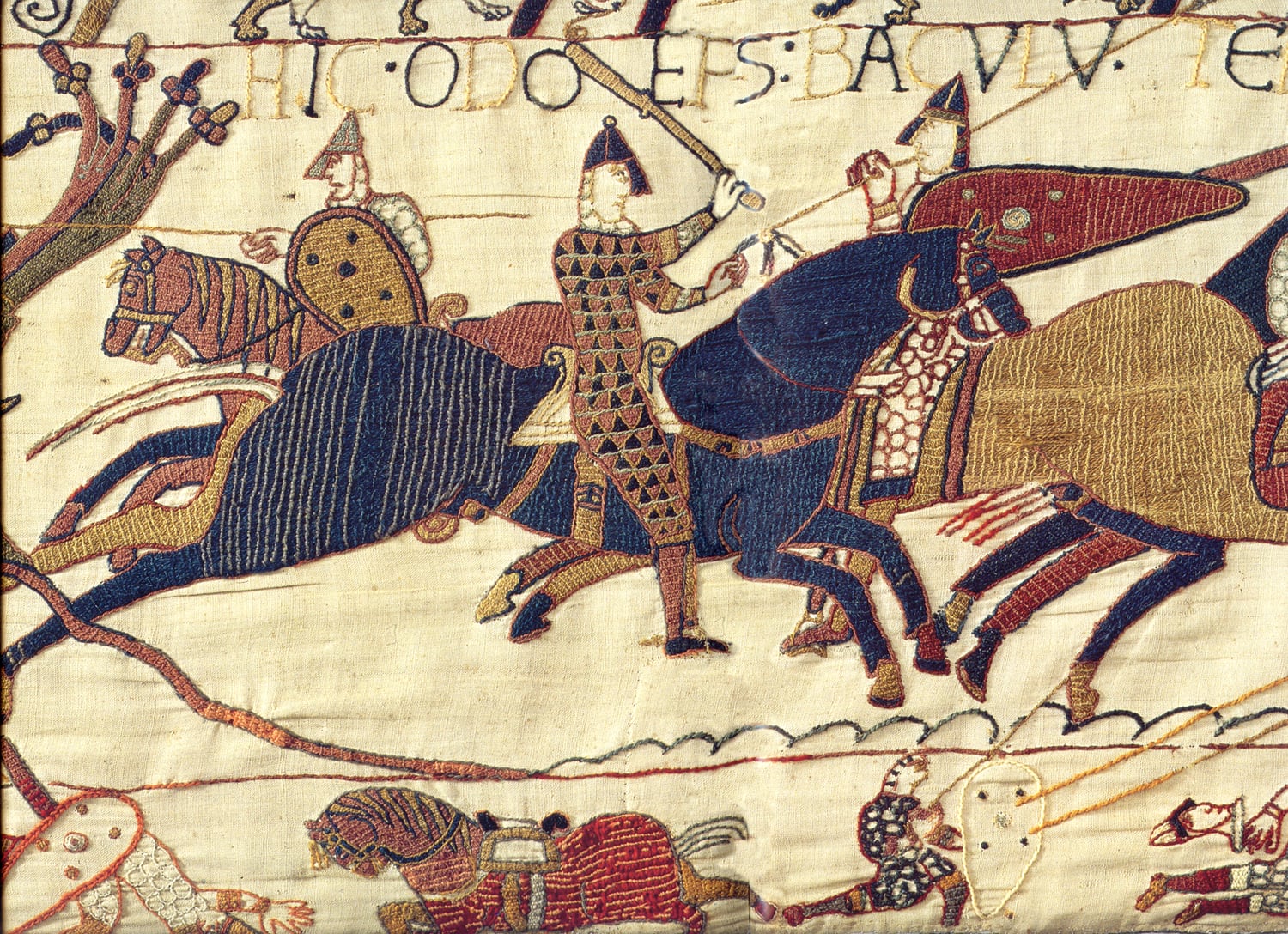
The sizes of the two opposing armies remain uncertain, though modern historians generally think that neither side numbered more than about 7,000 to 8,000 men. The tactical composition of the forces differed markedly. The English fought entirely on foot, relying on an elite core of well-armoured housecarls supported by regional levies known as the fyrd, who formed a tightly packed defensive shield wall at the crest of a steep ridge. In contrast, William brought a balanced continental force drawn from Normandy, Brittany, Flanders, and other French territories, divided into approximately one-half infantry, one-quarter archers or crossbowmen, and one-quarter armoured cavalry.

Keep reading in Yester
Coming soon to the App Store
Keep following the story
Sources
- Battle of Hastings 1066, Register of Historic Battlefields list entry (Historic England)
- English Heritage Battlefield Report: Hastings 1066 (Historic England)
- Battle of Hastings (Encyclopaedia Britannica)
- Domesday Book: What can we learn about England in the 11th century? (The National Archives)
- Battle of Hastings
Image: Phillip Capper from Wellington, New Zealand