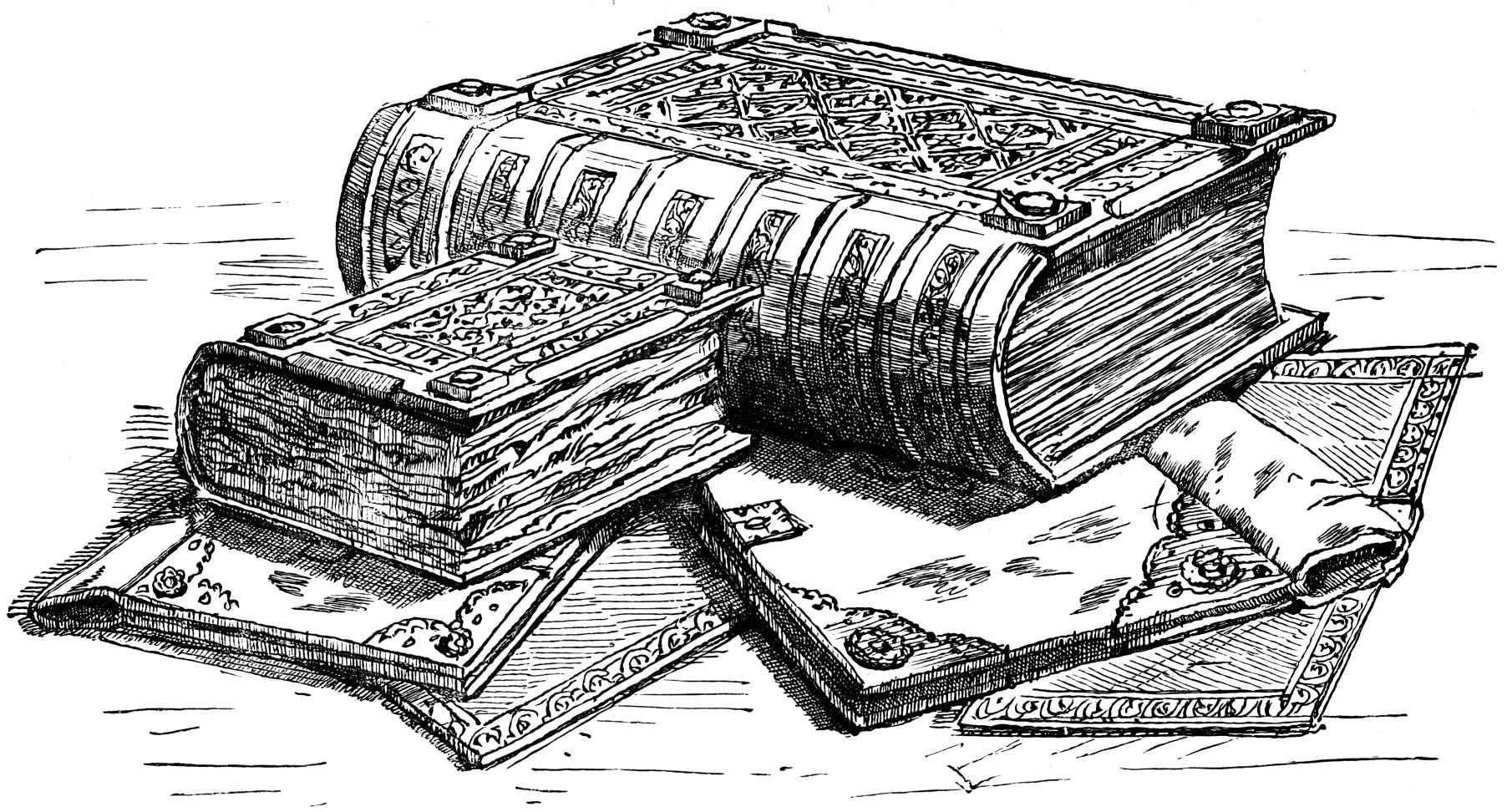
The Domesday Book Surveys a Conquered Kingdom
A royal inquiry recorded land, people and wealth in extraordinary detail.
At Christmas 1085, at Gloucester, William the Conqueror met with his royal council to plan an exhaustive audit of his newly subjugated realm. According to the Anglo-Saxon Chronicle, the king dispatched commissioners into every English shire to establish the lands held by the crown, the estates granted to his followers, and the exact revenues due. The inquest aimed to clarify the fiscal rights of the monarch following the widespread redistribution of property after the Norman Conquest. Crown officials gathered detailed accounts across hundreds of districts, producing an unprecedented administrative record known to later generations as Domesday Book.
The machinery of the survey depended on public assemblies convened within shire courts across the country. Royal commissioners, operating across several regional circuits, summoned representatives from every settlement, including local lords and villagers. For each administrative subdivision, known as a hundred or wapentake, sworn local jurors answered the commissioners' questions. Surviving ancillary texts, such as the Inquisitio Comitatus Cantabrigiensis and the Exon Domesday, demonstrate that witnesses answered precise queries regarding landholders, plow teams, pastures, fisheries, mills, and the annual cash yields of each manor.

Keep reading in Yester
Coming soon to the App Store
Keep following the story

Sources
- Review of Domesday: the Inquest and the Book (Reviews in History, IHR)
- Domesday Book catalogue description C6530 (The National Archives)
- Domesday (The National Archives)
- Domesday Book (Encyclopaedia Britannica)
- Historian tells new story about England's venerated 'Domesday Book' (University of Illinois News Bureau)
- Domesday Book
Image: Andrews, William