The Inca Record an Empire in Knotted Cords
Quipus organized information without looking like a written page. Their surviving patterns show sophisticated recordkeeping while leaving important questions unresolved.
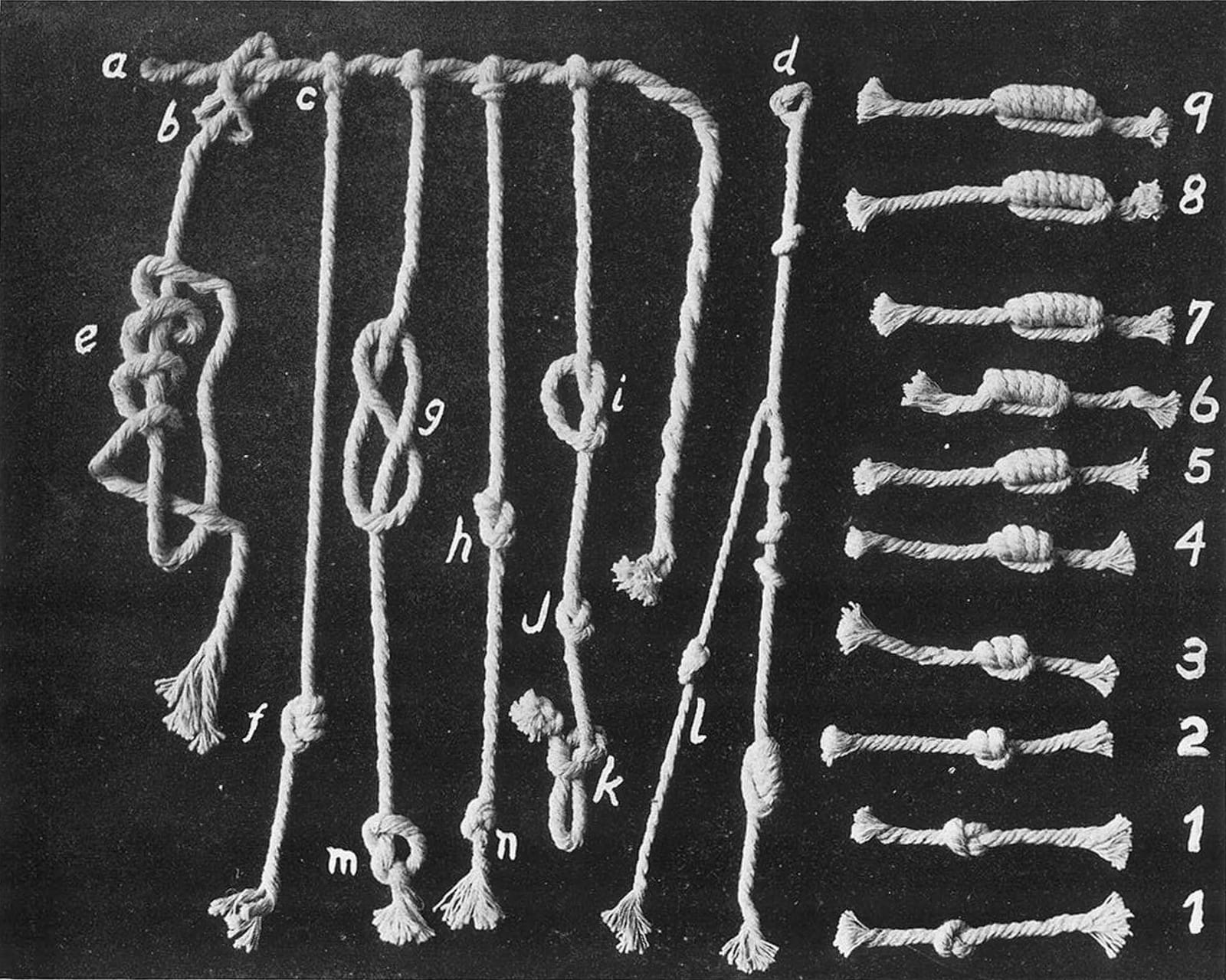
Centuries before European arrivals reached the Andes, complex societies kept administrative records without ink, paper, or alphabetic scripts. They assembled quipus, tactile instruments composed of knotted cords made from cotton or camelid fibers. These devices varied from a handful of strands to thousands of threads suspended from primary cords. Though earlier Andean civilizations such as the Middle Horizon Wari Empire employed knotted cords, the Inca Empire developed them into the backbone of an expansive imperial bureaucracy, flourishing across the mountain realm from the fifteenth century until the Spanish invasion.
Trained specialists known as quipucamayocs constructed and interpreted these assemblies. In the Inca administrative system, quipucamayocs tracked agricultural yields, census counts, military provisions, and the mita labor tax levied across diverse provinces. Chroniclers recorded that these officials performed arithmetic operations and could reorganize cords when supplies shifted between storehouses. The training required to master this craft was integrated into elite schooling alongside other state administrative disciplines.

Keep reading in Yester
Coming soon to the App Store
Keep following the story
Sources
Image: Leslie Leland Locke