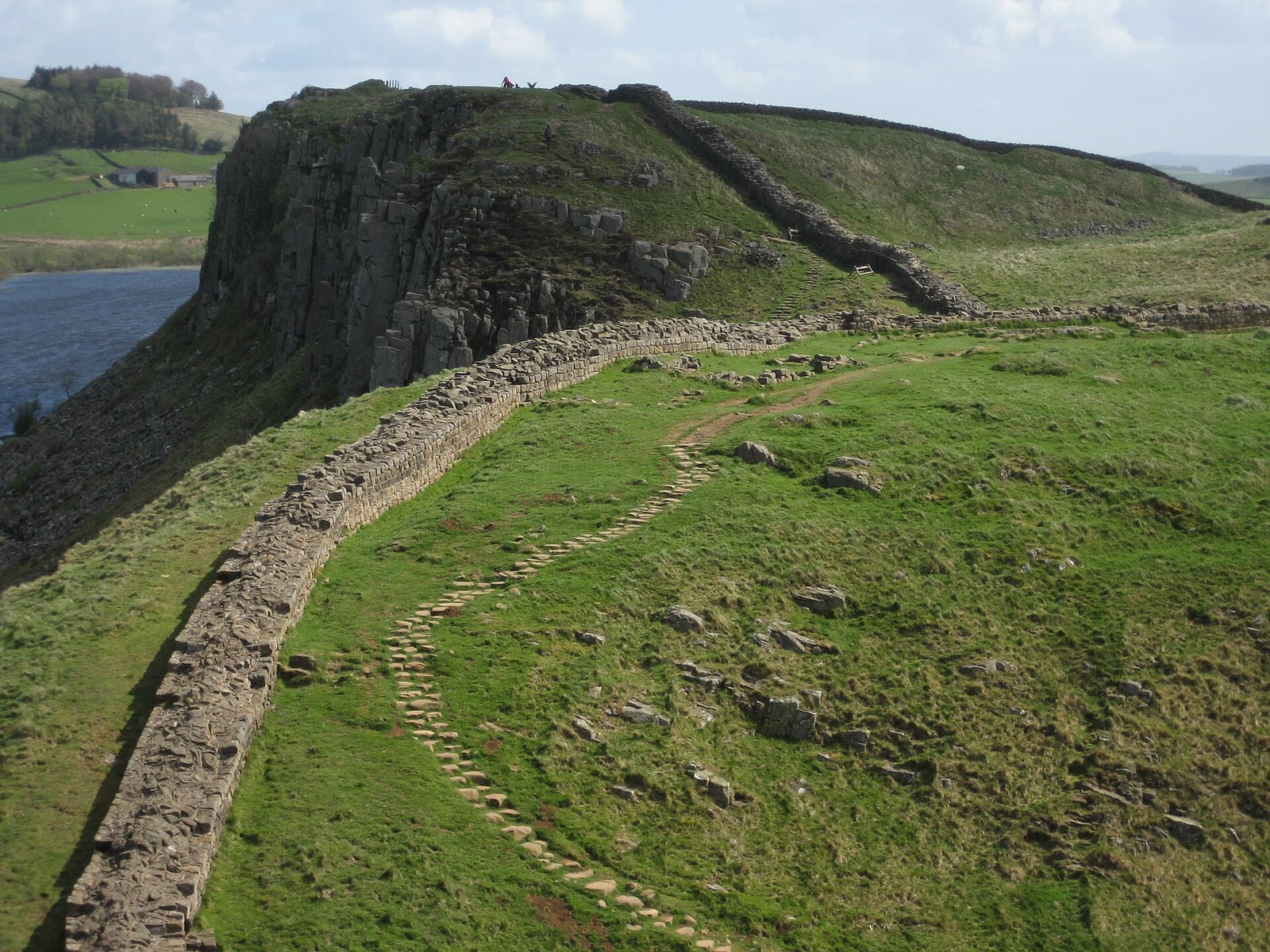
Hadrian Orders a Wall Across Britain
A wall from sea to sea marked the northern edge of Roman Britain.
In the year 122, the Roman emperor Hadrian oversaw the start of a massive construction project across northern Britain. Moving away from the expansionist policies of his predecessor Trajan, Hadrian focused on establishing firm boundaries for the empire. Unlike continental frontiers along the Rhine or the Danube, northern Britain possessed no major river that could serve as a natural barrier. In response, Roman military planners surveyed a line running approximately 73 modern miles, or 80 Roman miles, across the width of the island from Wallsend on the River Tyne to Bowness-on-Solway.
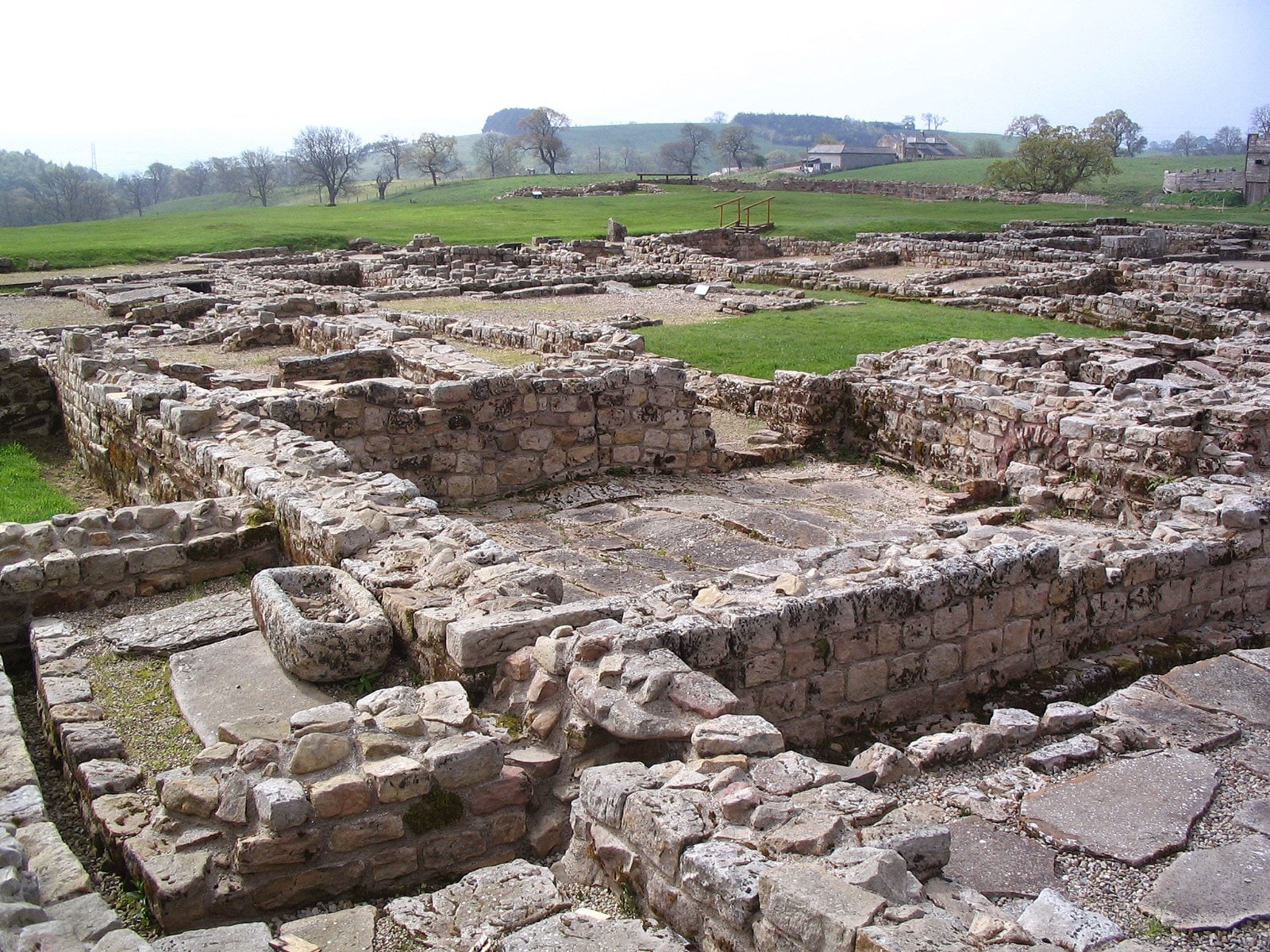
The engineering effort required the labour of about 15,000 men drawn from three legions: Legio II Augusta, Legio VI Victrix, and Legio XX Valeria Victrix, assisted by members of the Roman fleet. The legionaries possessed skills in surveying, masonry, and carpentry, allowing them to construct most of the complex within six years. Along the curtain wall, builders placed an alternating system of installations, including milecastles roughly every Roman mile, each probably housing a small garrison of about eight soldiers, and two watch-tower turrets between each pair of milecastles. Larger forts, added as building progressed, held auxiliary regiments such as the 800-strong infantry cohort at Housesteads.

Keep reading in Yester
Coming soon to the App Store
Keep following the story
Sources
Image: Johnnie Shannon