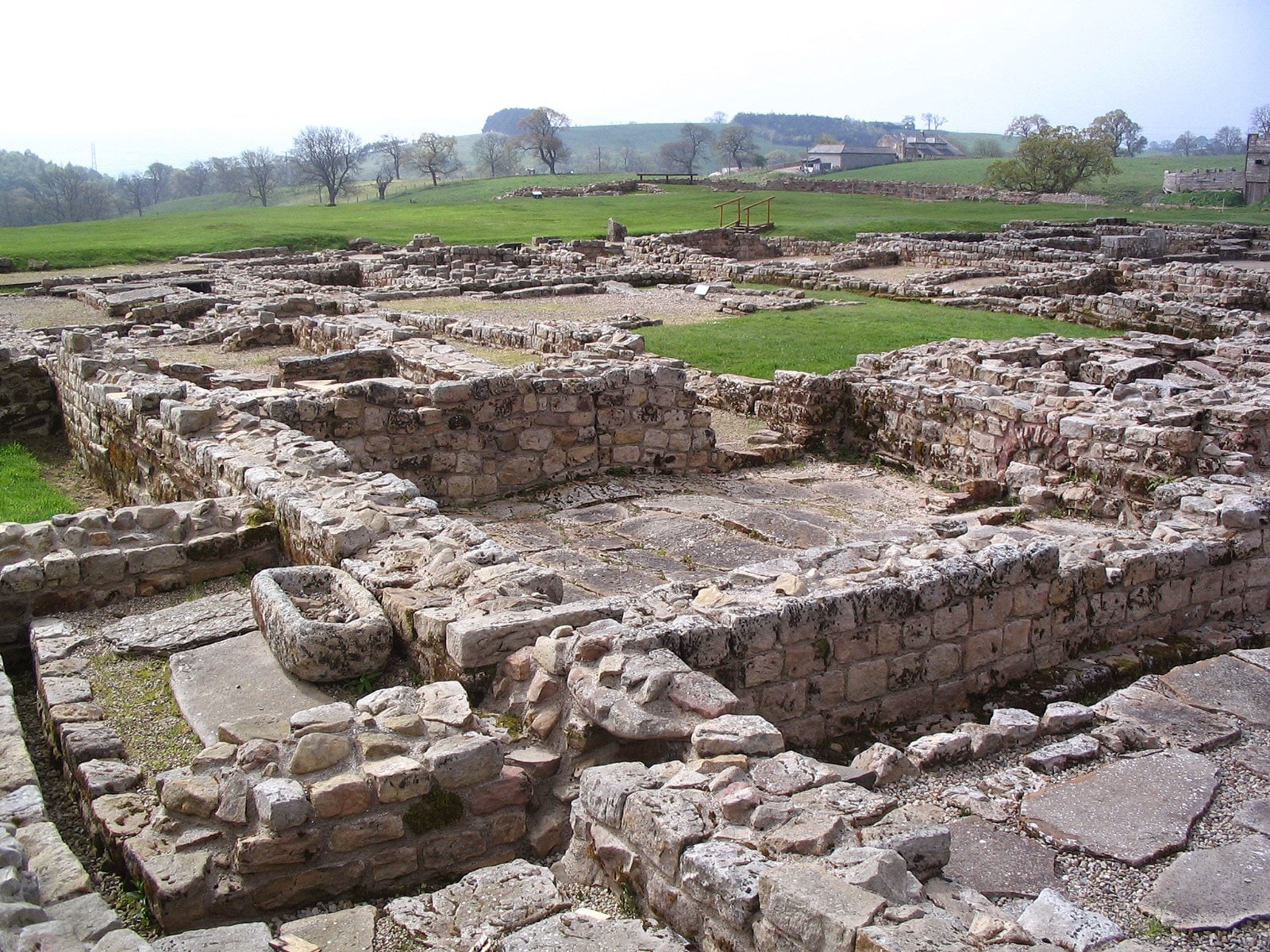
Soldiers at Vindolanda Write on Wooden Tablets
Letters from a Roman fort recorded birthday invitations and supply lists.
In March 1973, archaeological excavations at the Roman fort of Vindolanda in northern England uncovered thin fragments of wood that were initially mistaken for discarded shavings. Excavation director Robin Birley recognized the find when two small pieces stuck together were separated, revealing ink writing on their inner faces that began to fade on exposure to the air. Although papyrus texts had long been known from Mediterranean provinces, Vindolanda has since yielded by far the largest number of ink writing tablets from anywhere in the Roman Empire. Over the following decades, excavations continued to unearth similar texts from the site's waterlogged deposits, with some 1,700 tablets known by 2023.
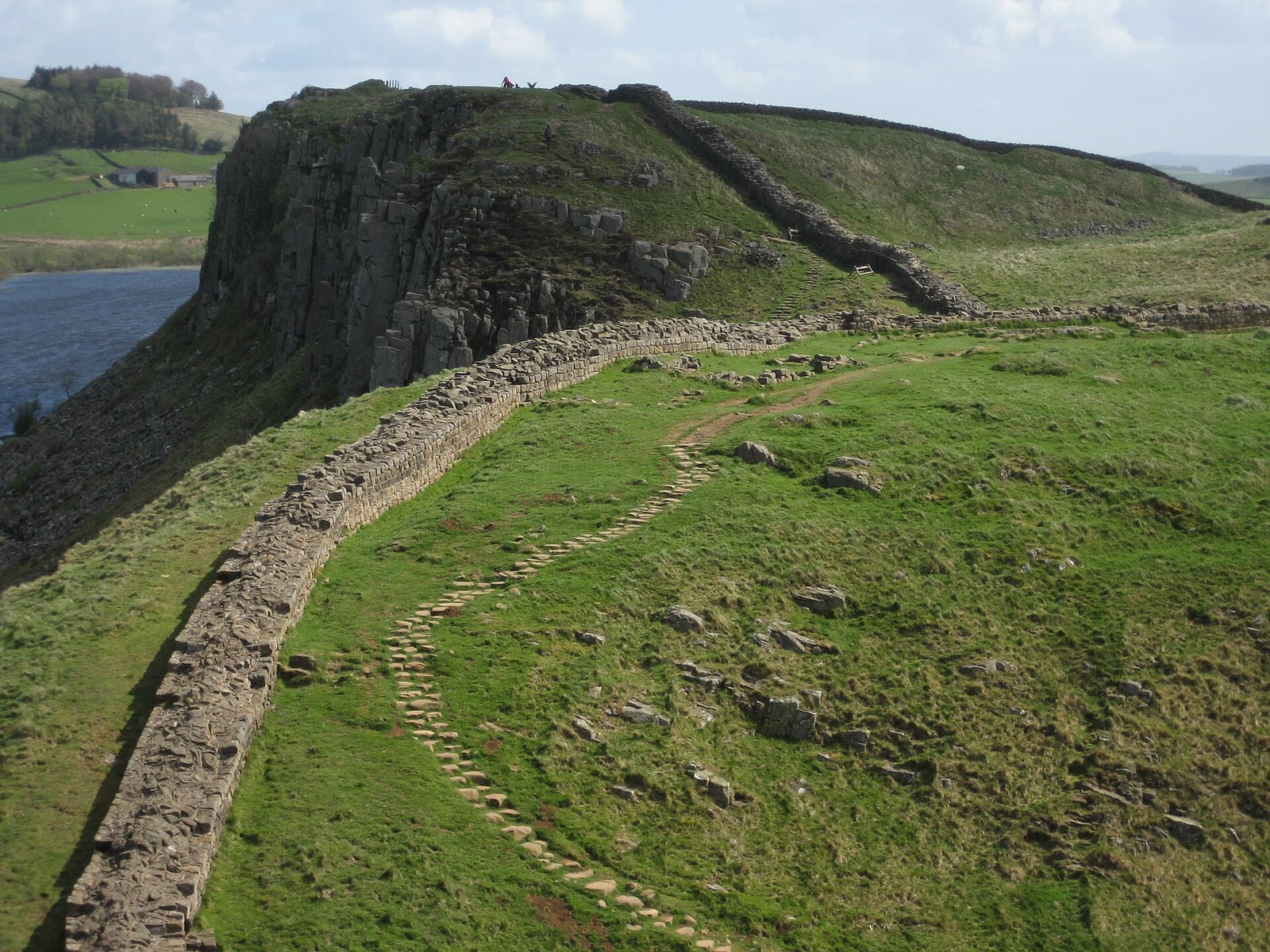
The Vindolanda leaf-tablets were thin slices of wood, distinguishing them from thicker stylus tablets, which had a central recess for wax and were written on with a metal point. Roughly the size of a postcard, the sheets were scored down the center and folded like diptychs to shield their contents. Scribes wrote in black ink on the inner surfaces. Most date from between 95 and 105, during expansions of the fort that took place prior to the construction of nearby frontiers such as Hadrian's Wall.

Keep reading in Yester
Coming soon to the App Store
Keep following the story

Sources
- Vindolanda tablets (British Museum)
- Tabulae Vindolandenses I: The Discovery of the Writing-Tablets and the Archaeological Context (Roman Inscriptions of Britain)
- Tabulae Vindolandenses I: Excavation, Conservation and Photography (Roman Inscriptions of Britain)
- Vindolanda tablets (Current World Archaeology)
- Britain's oldest hand-written document unearthed in London dig (Christian Science Monitor)
- Vindolanda tablets
Image: Francis from Groningen, Netherlands