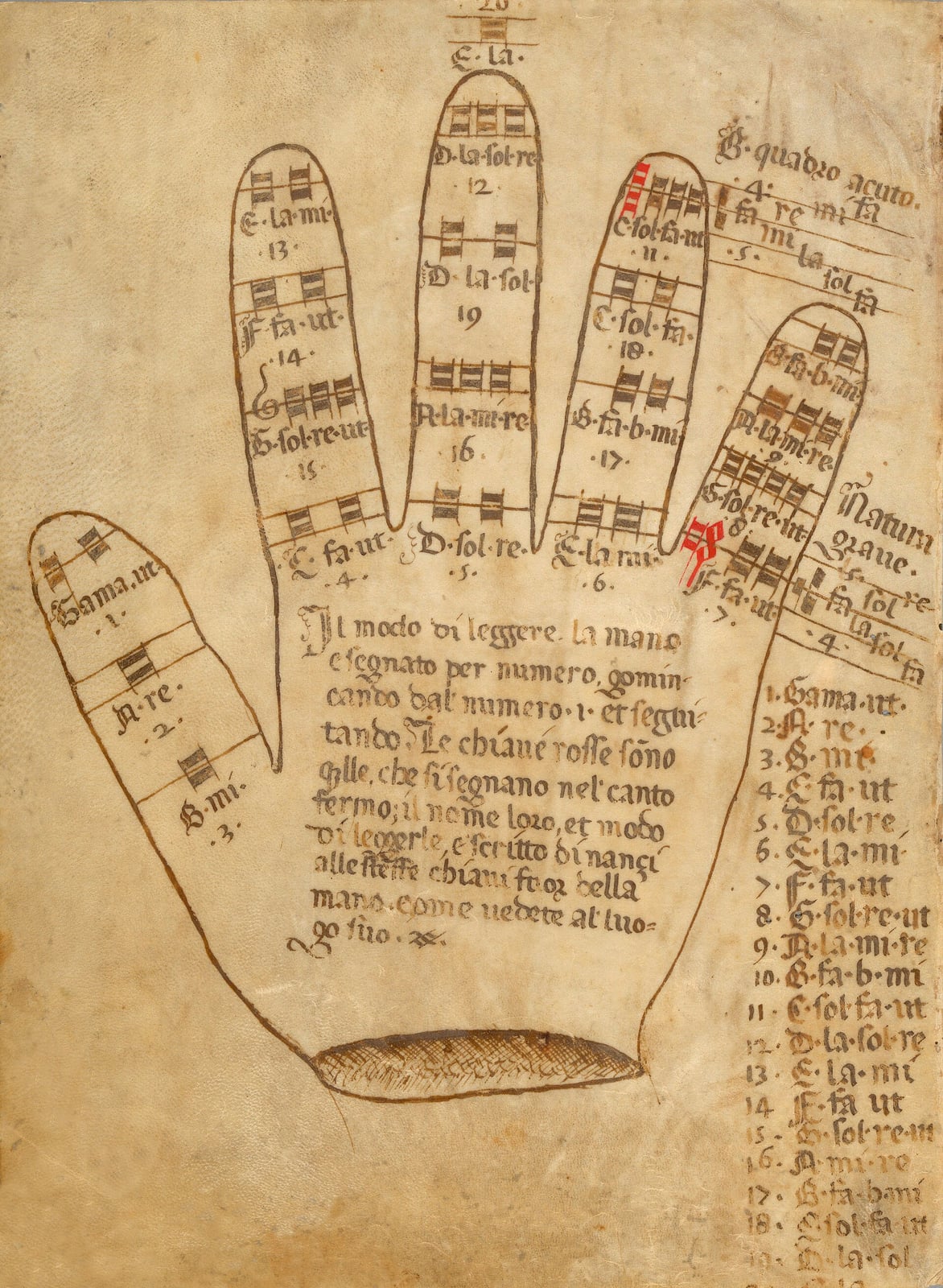
Guido of Arezzo Teaches Singers to Read Music
Lines and syllables let singers learn chants by sight.
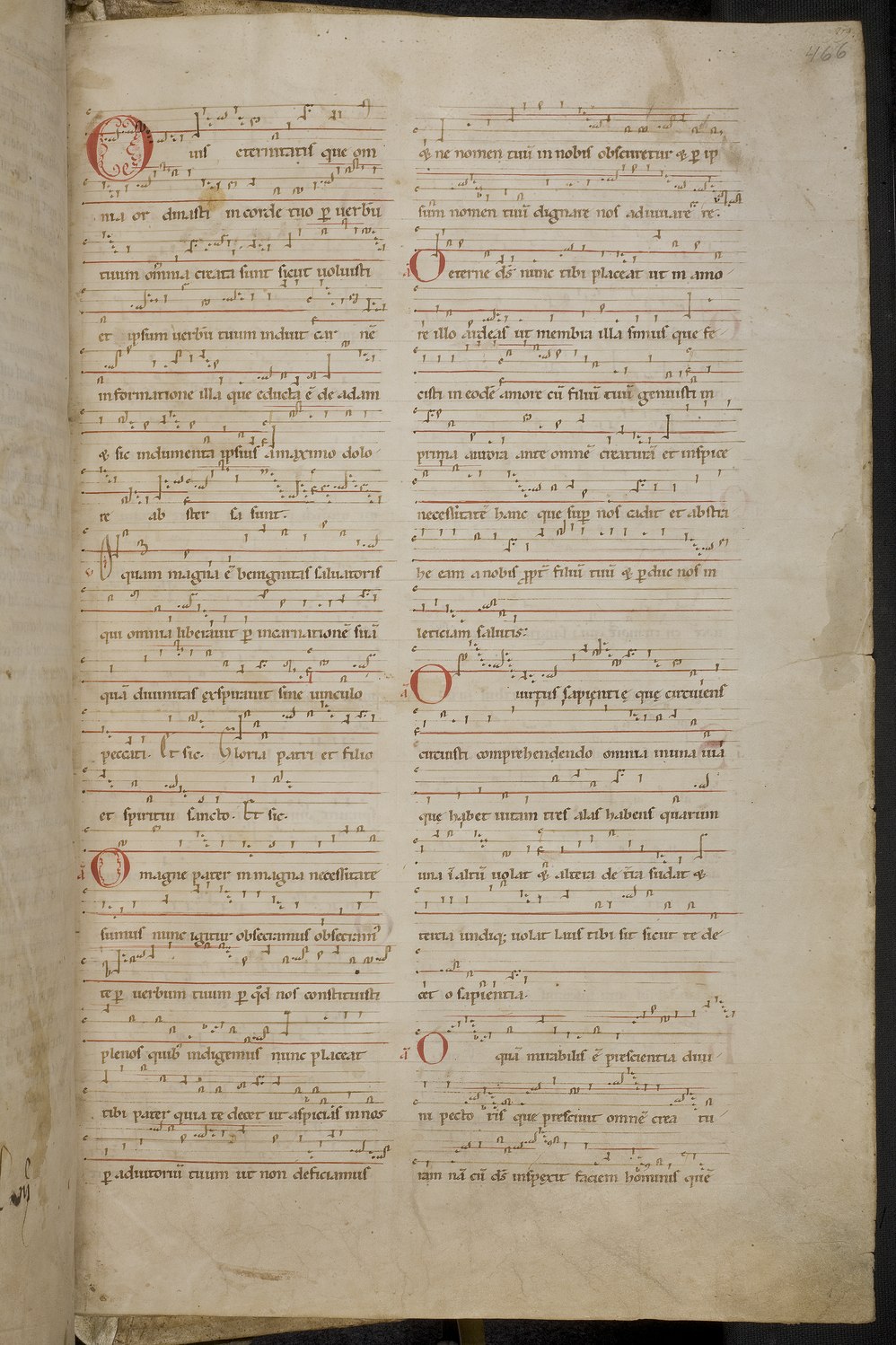
During the eleventh century, the Benedictine monk Guido of Arezzo restructured how European musicians learned and preserved liturgical song. Before his innovations, mastering the full repertoire of ecclesiastical chant demanded prolonged commitment, often requiring up to a decade of rote memorization. Guido introduced a structured visual method based on musical staff notation, assigning lines and spaces to distinct pitches. This system allowed cantors to interpret unfamiliar melodies directly from parchment rather than relying solely on oral transmission and memory, dramatically accelerating the training process.
Guido was born between 990 and 999, with scholars frequently placing his birth around 991 or 992 based on a later manuscript stating he was thirty-four during the papacy of John XIX. His origins remain a subject of scholarly debate, with arguments divided primarily between Arezzo and the Pomposa Abbey near the Adriatic coast. As a monk at Pomposa, Guido began formulating his notation principles while drafting an antiphonary, a collection of chants in his new notation, likely alongside his colleague Michael of Pomposa. He argued that removing the burden of memorization would free singers to study broader religious texts.

Keep reading in Yester
Coming soon to the App Store
Keep following the story
Sources
Image: Unknown author Unknown author