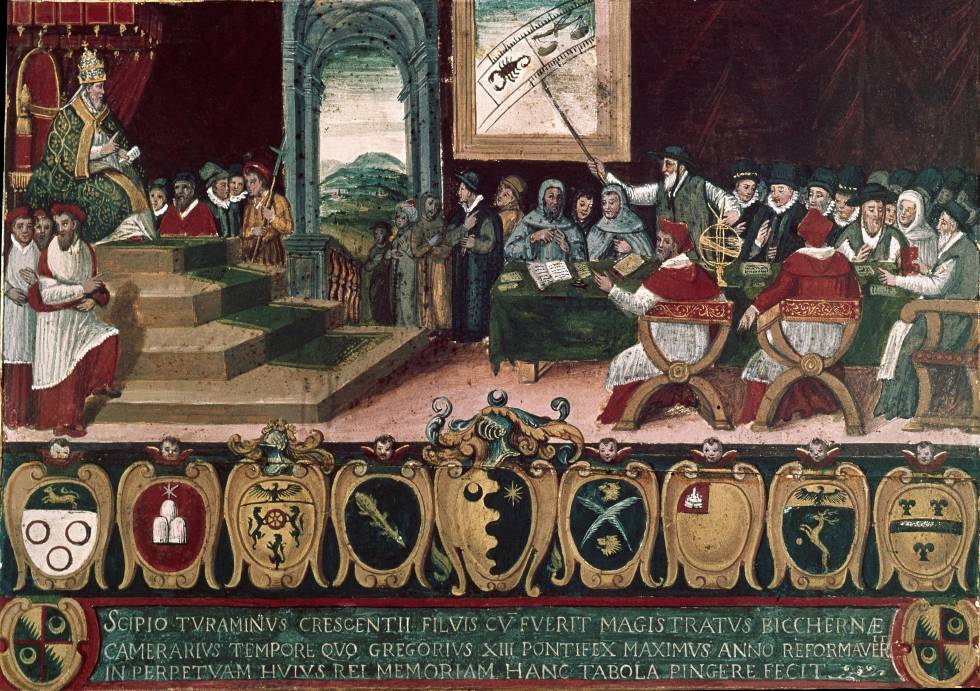
Ten Days Vanish as the Gregorian Calendar Begins
In Catholic countries, Thursday October 4 was followed by Friday October 15.
In October 1582, millions of subjects across Catholic Europe went to sleep on Thursday, 4 October, and woke the following morning to find the date officially recorded as Friday, 15 October. Pope Gregory XIII had enacted this sudden ten-day omission through the papal bull Inter gravissimas, issued earlier that year on 24 February. The dramatic leap did not disrupt the traditional succession of the days of the week, but it instantly recalibrated the civil calendar across the Papal States, the Polish-Lithuanian Commonwealth, and the expansive territories governed by King Philip II of Spain, including Spain, Portugal, and significant parts of Italy.
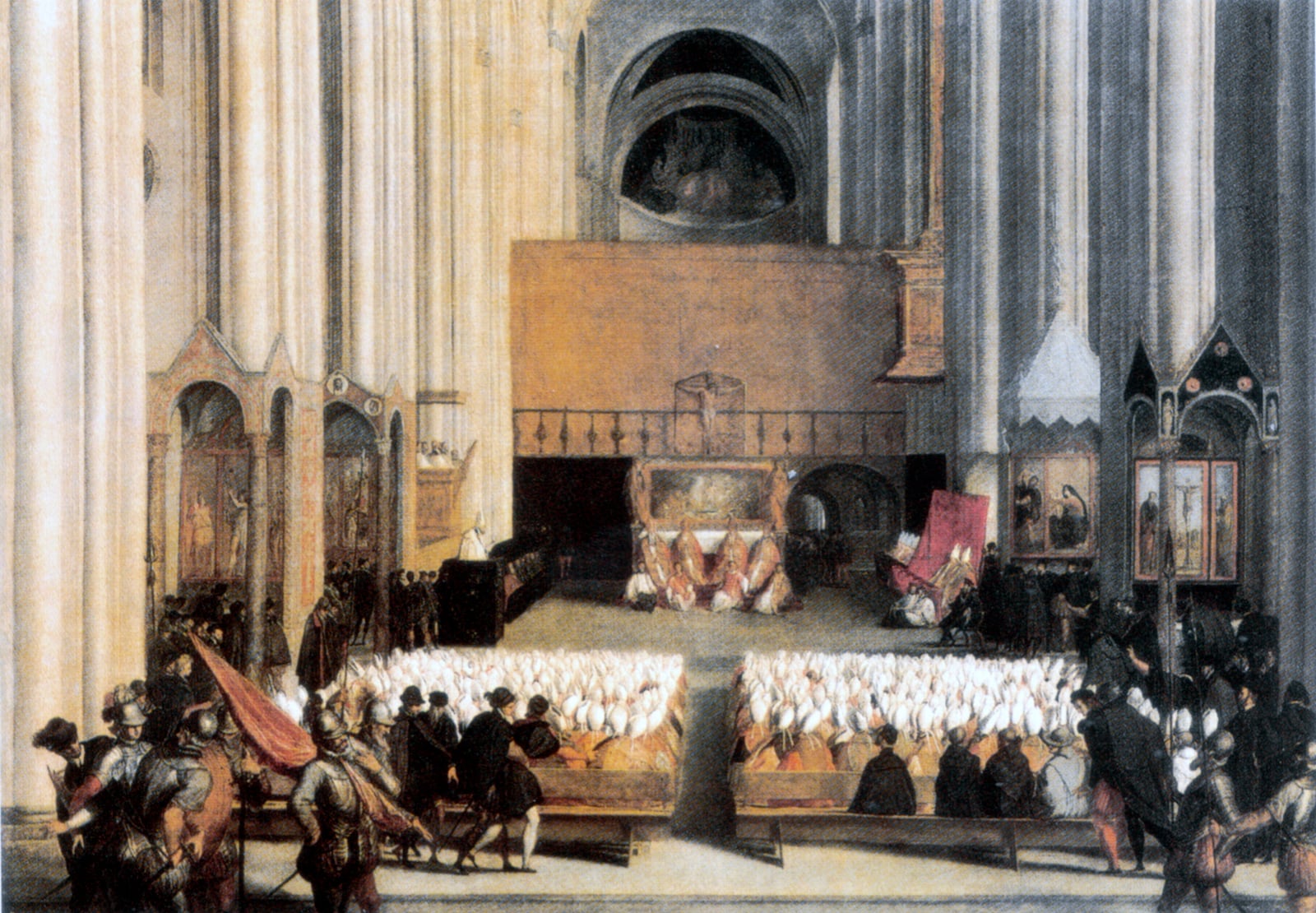
The underlying motivation for this drastic measure was rooted in Christian religious observances rather than purely secular timekeeping. The calculation of Easter relied upon rules associated with the First Council of Nicaea in 325, which assumed the northern vernal equinox would fall around 21 March. However, the older Julian calendar was structured on the premise that an average solar year lasted exactly 365.25 days. Because the true solar year is roughly 365.2422 days long, the Julian year overestimated annual length by approximately eleven minutes, causing an accumulated drift of roughly three days every four centuries. By the late sixteenth century, the astronomical equinox had slipped backwards to 10 or 11 March.

Keep reading in Yester
Coming soon to the App Store
Keep following the story

Sources
Image: Anonymous Unknown author