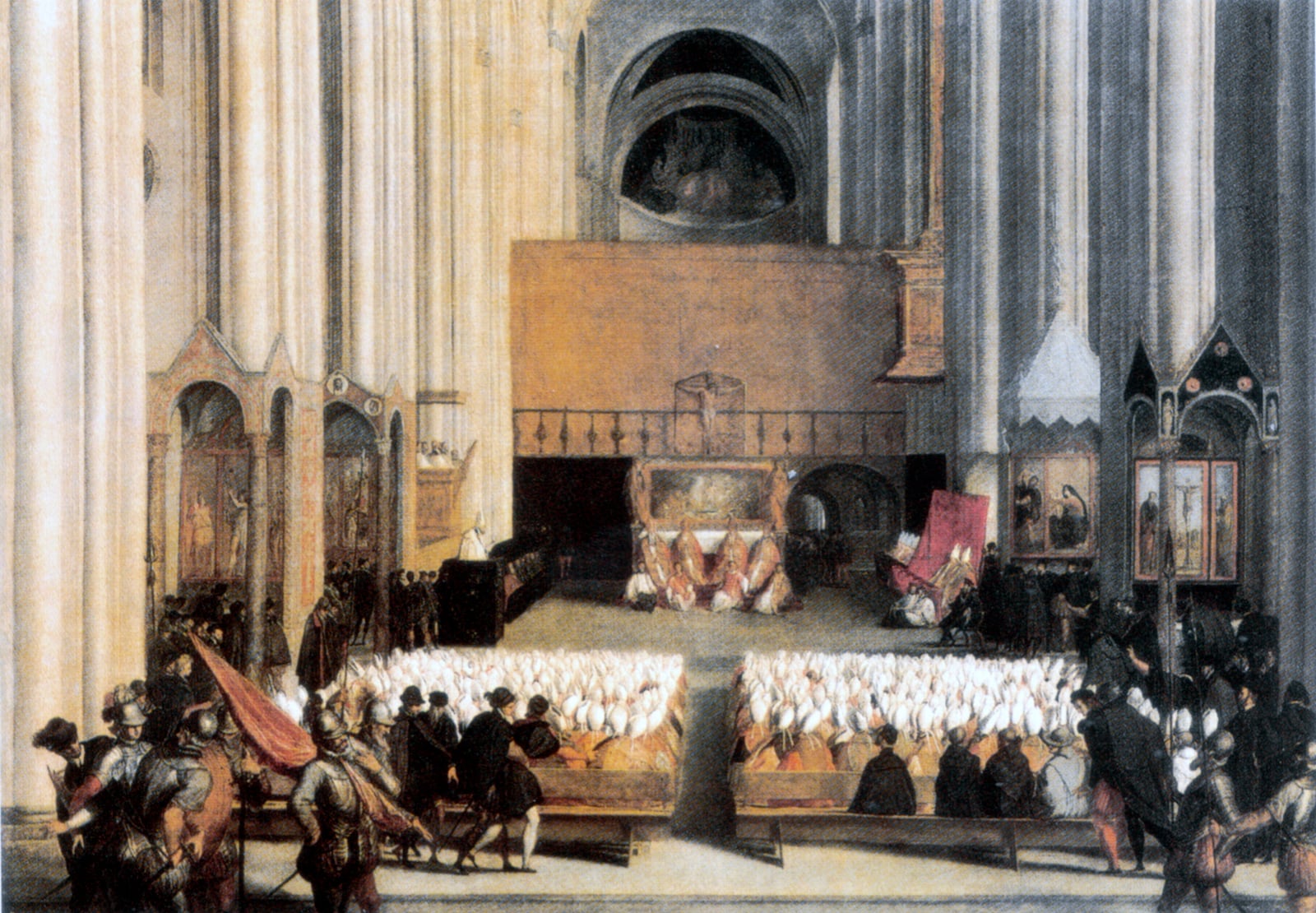
The Council of Trent Opens
Catholic bishops met to answer the Reformation and reform their church.
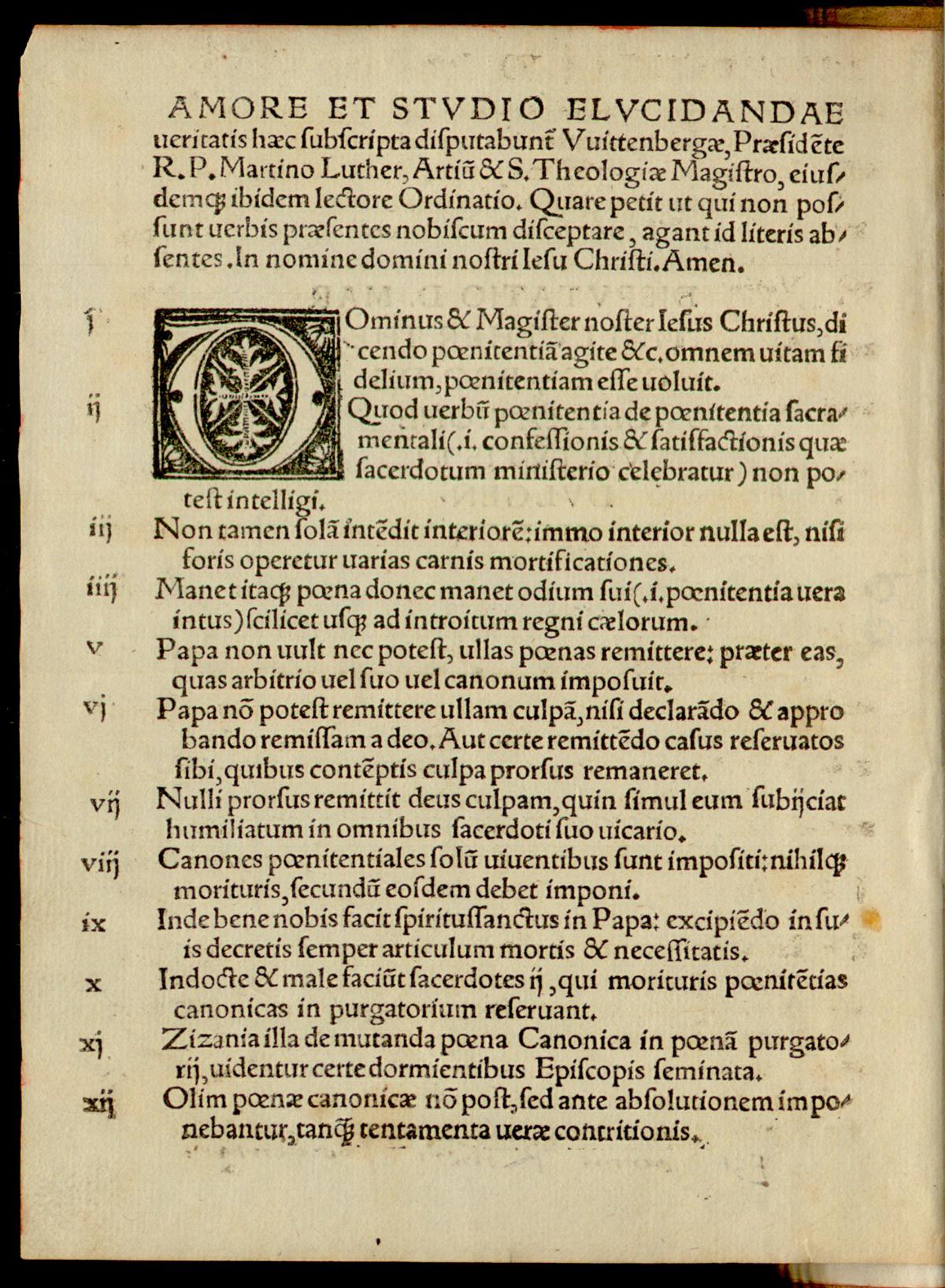
On 13 December 1545, approximately thirty Catholic bishops gathered in the northern Italian city of Trento to open the nineteenth ecumenical council of the Catholic Church. Convoked by Pope Paul III within the borders of the Holy Roman Empire, the assembly aimed to resolve the profound theological and structural crisis sparked nearly three decades earlier when Martin Luther circulated his ninety-five theses. While political leaders like Emperor Charles V sought reconciliation and church unity across Germany, papal authorities feared conciliar limitations on their supremacy. Wars between France and the empire, coupled with widespread reluctance among prelates, had delayed the meeting for an entire generation.
The council eventually unfolded across three separate periods over eighteen years: 1545 to 1547 under Paul III, 1551 to 1552 under Pope Julius III, and 1562 to 1563 under Pope Pius IV. Attendance remained modest throughout much of its duration, with no more than sixty prelates present when some of the most critical early decrees passed. Italian and Spanish churchmen formed the overwhelming majority of participants. Prolonged interruptions disrupted the timeline, caused by fears of plague, regional armed conflict, and shifting papal priorities, including an abrupt hiatus provoked when Protestant forces advanced into nearby Tyrol in 1552.

Keep reading in Yester
Coming soon to the App Store
Keep following the story
Sources
Image: Formerly attributed to Titian