Goryeo Potters Perfect Jade-Green Celadon
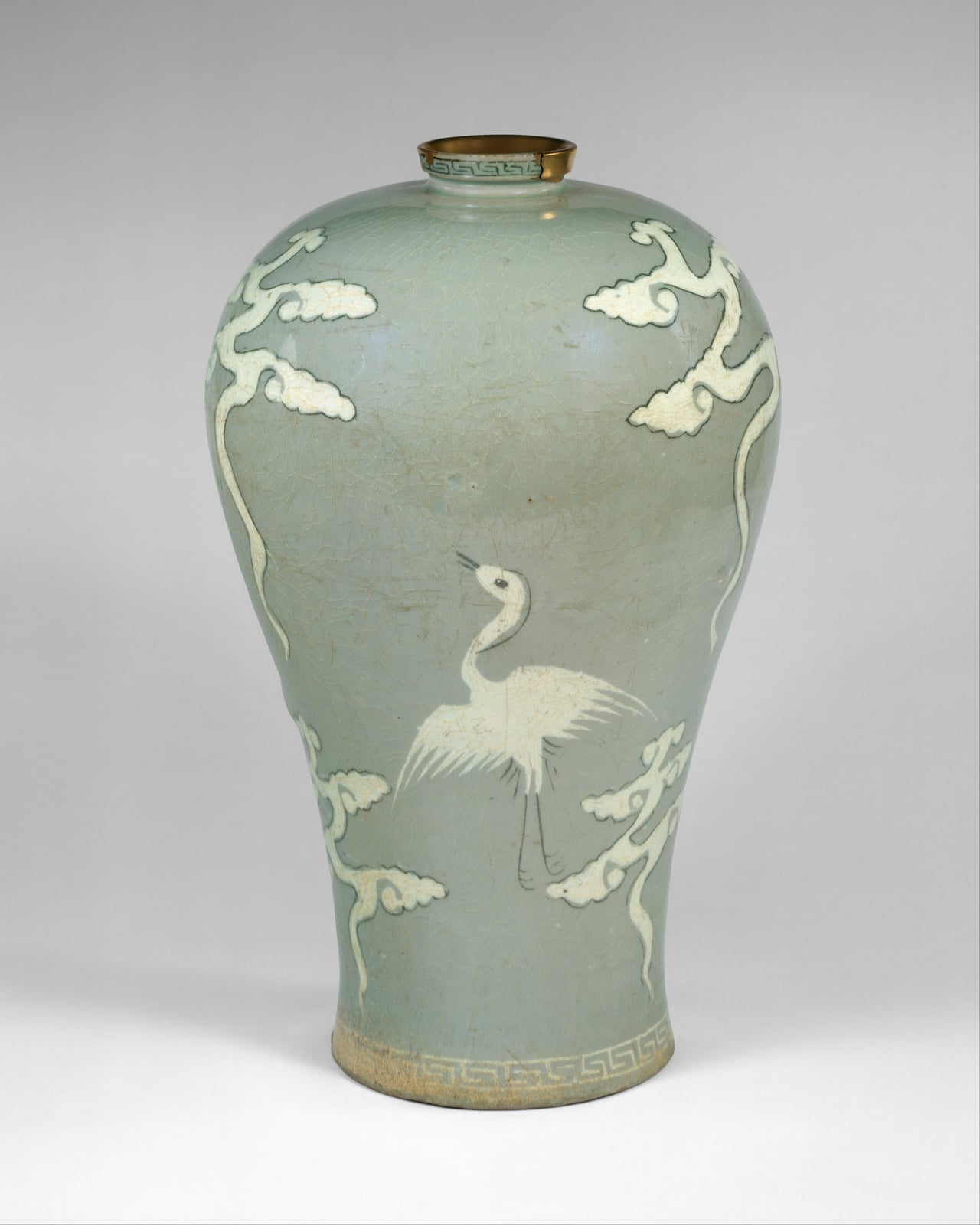
Korean kilns made inlaid celadon that even Song Chinese connoisseurs admired.
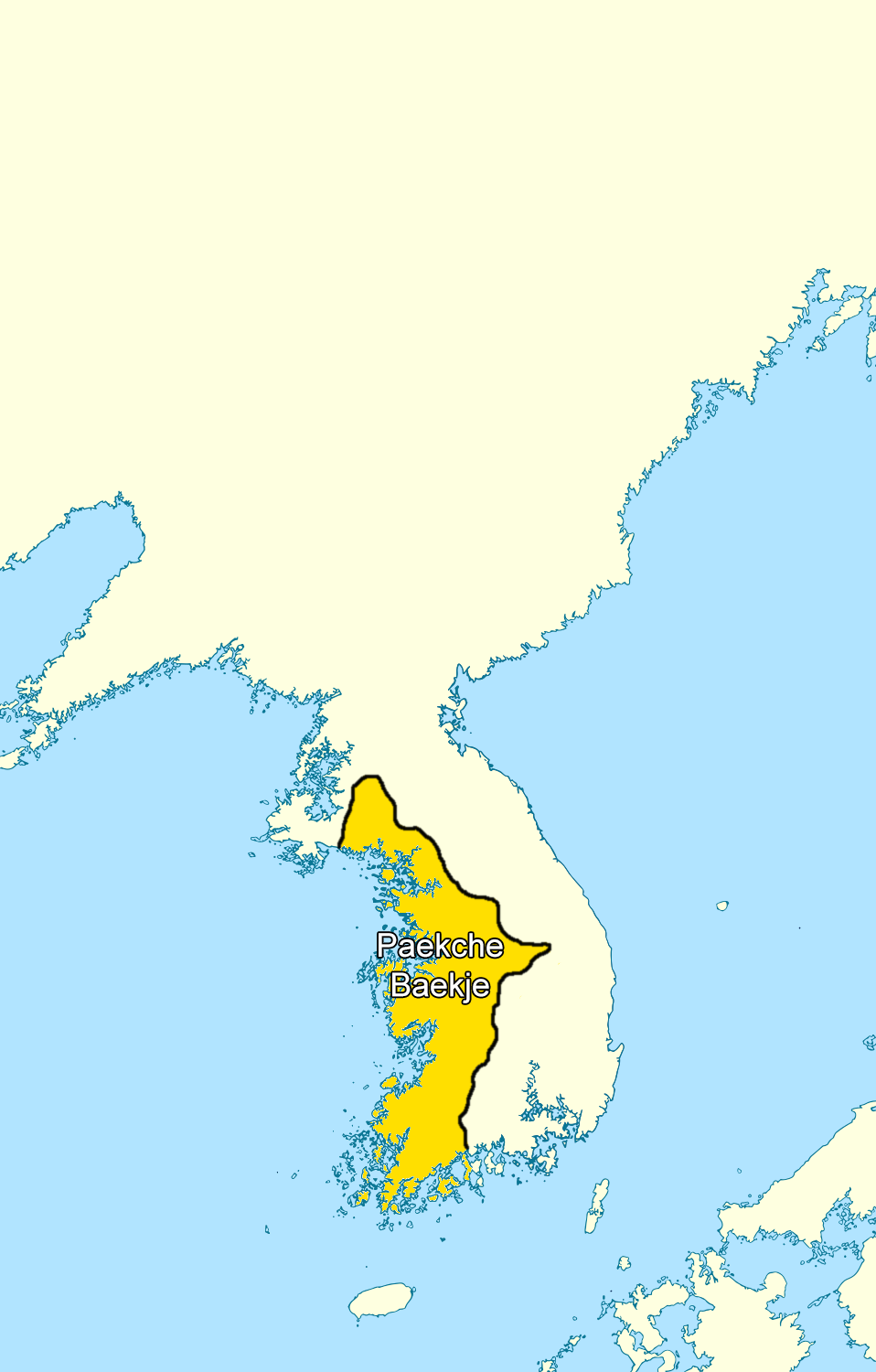
During the Goryeo dynasty, which ruled the Korean peninsula from 918 to 1392, ceramic workshops cultivated an esteemed tradition of greenware porcelain known as Goryeo celadon. Although early ceramic methods originally came from China during the Three Kingdoms era, Korean potters gradually established distinct technical practices. Production grew substantially alongside the spread of Buddhism and the development of tea culture, both of which stimulated rising demand for refined vessels. By the eleventh century, regional kilns across the kingdom supplied ceramic items to provincial administrative offices, temples, and local families, while central authorities ordered the finest wares for the royal court.
The twelfth century came to be recognized as the classical zenith of Goryeo celadon production, celebrated for its structural harmony and refined translucent coloring. Korean artisans referred to this delicate green tint as bisaek. Unlike contemporary Chinese workshops, Goryeo kilns operated at smaller scales, which caused both firing and cooling cycles to proceed more rapidly. This expedited schedule left little time for minerals such as anorthite or wollastonite to undergo nucleated crystal growth within the glaze. Combined with a formula featuring elevated calcium levels and roughly 0.5 percent manganese oxide, these firing dynamics yielded distinctive gray-green tones, accompanied by tiny interior bubbles, mineral particles, and fine craquelure patterns known as bingyeol.

Keep reading in Yester
Coming soon to the App Store