George Smith Finds the Flood Story in Gilgamesh
A museum assistant recognized a Babylonian flood story on a clay tablet.
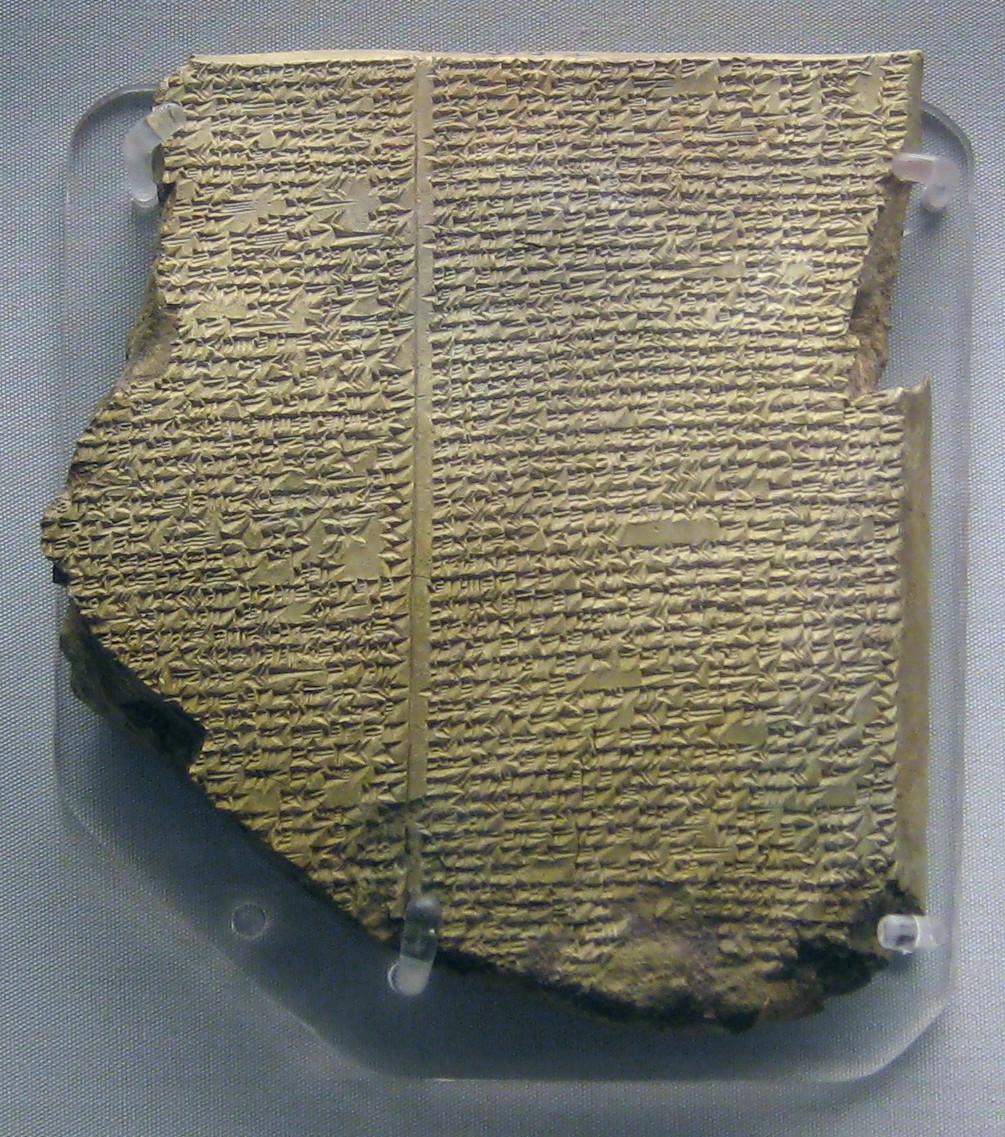
In 1872, an assistant at the British Museum named George Smith made an announcement that altered nineteenth-century understanding of ancient literature and scripture. While sorting through thousands of damaged clay fragments brought from the ruins of Nineveh, Smith deciphered an inscription describing a devastating flood, a great vessel built to preserve life, and the release of birds to determine if the waters had receded. His public reading of these translated passages before the Society of Biblical Archaeology revealed the earliest known narrative parallels to the biblical account of Noah.
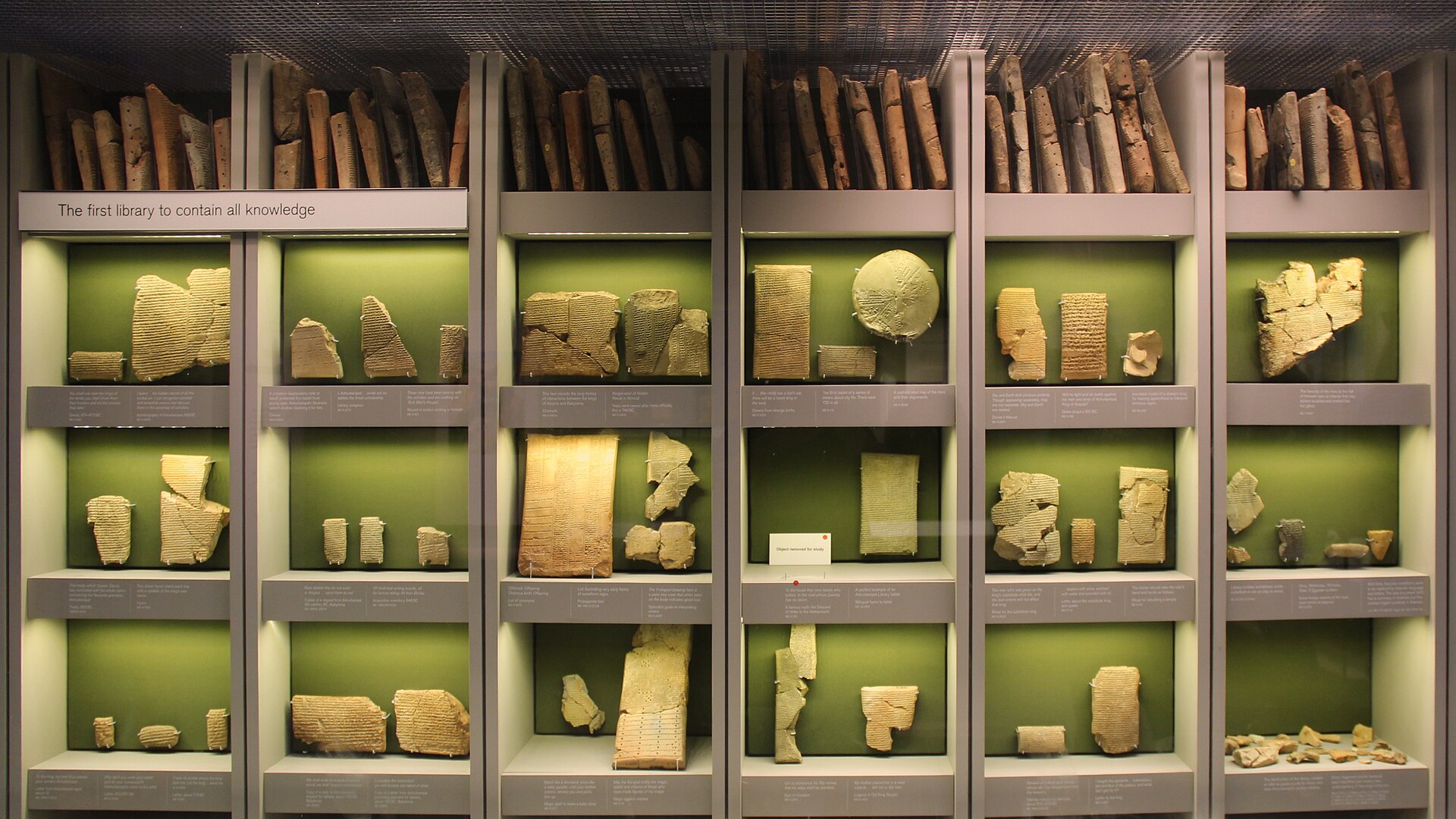
The inscribed fragments that Smith studied were part of a vast imperial collection gathered in the seventh century BCE by the Assyrian king Ashurbanipal. Unearthed during excavations across the early 1850s, the remnants formed part of approximately fifteen thousand broken records written in cuneiform. Smith had been taken on by the museum during the 1860s to help sort and study this massive assembly of texts. His work proved that the narrative of the cataclysm belonged to a far broader literary tradition, which he set out more fully in later publications, notably The Chaldean Account of Genesis in 1876.

Keep reading in Yester
Coming soon to the App Store