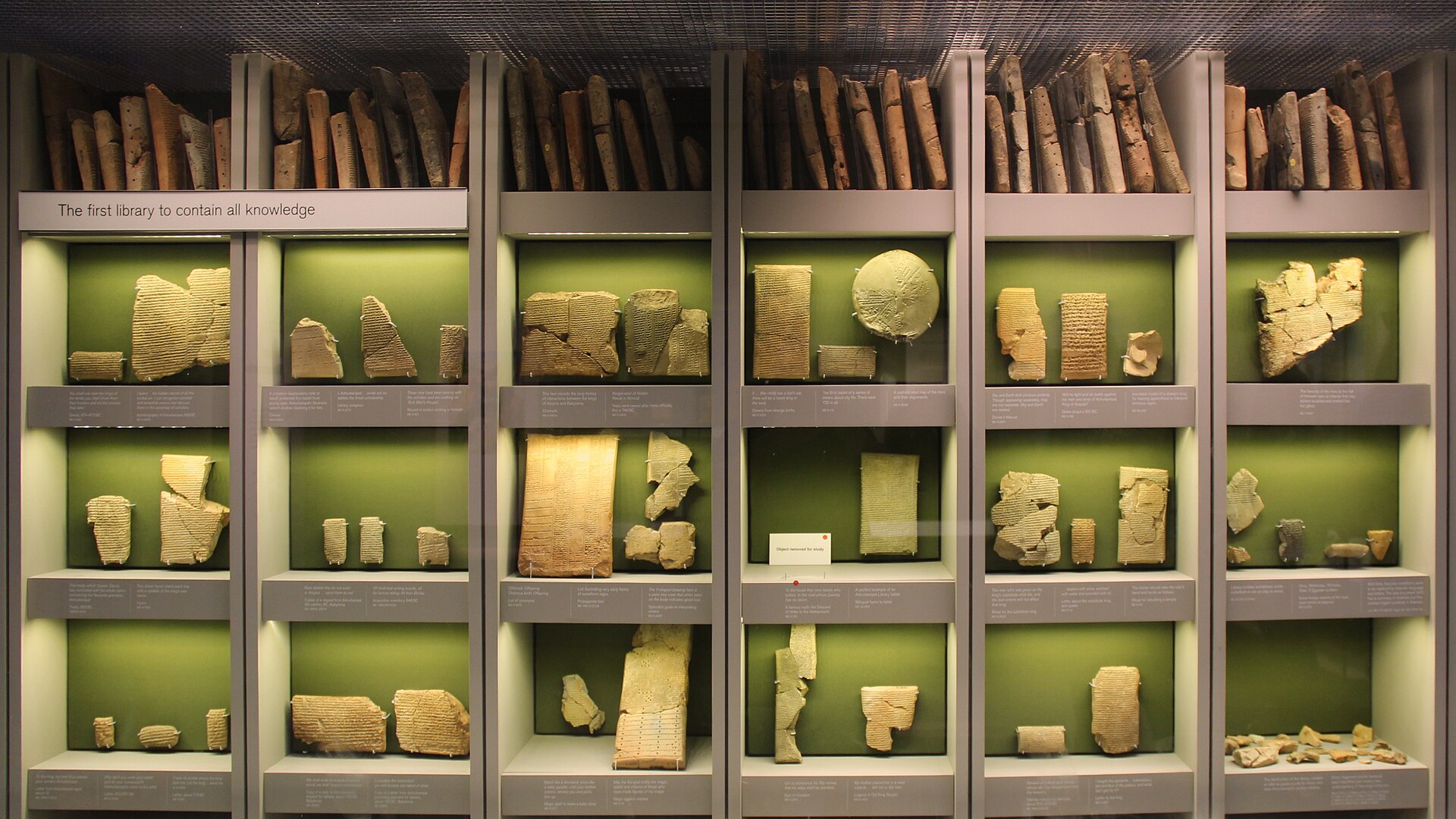
A Royal Library Emerges from the Ruins of Nineveh
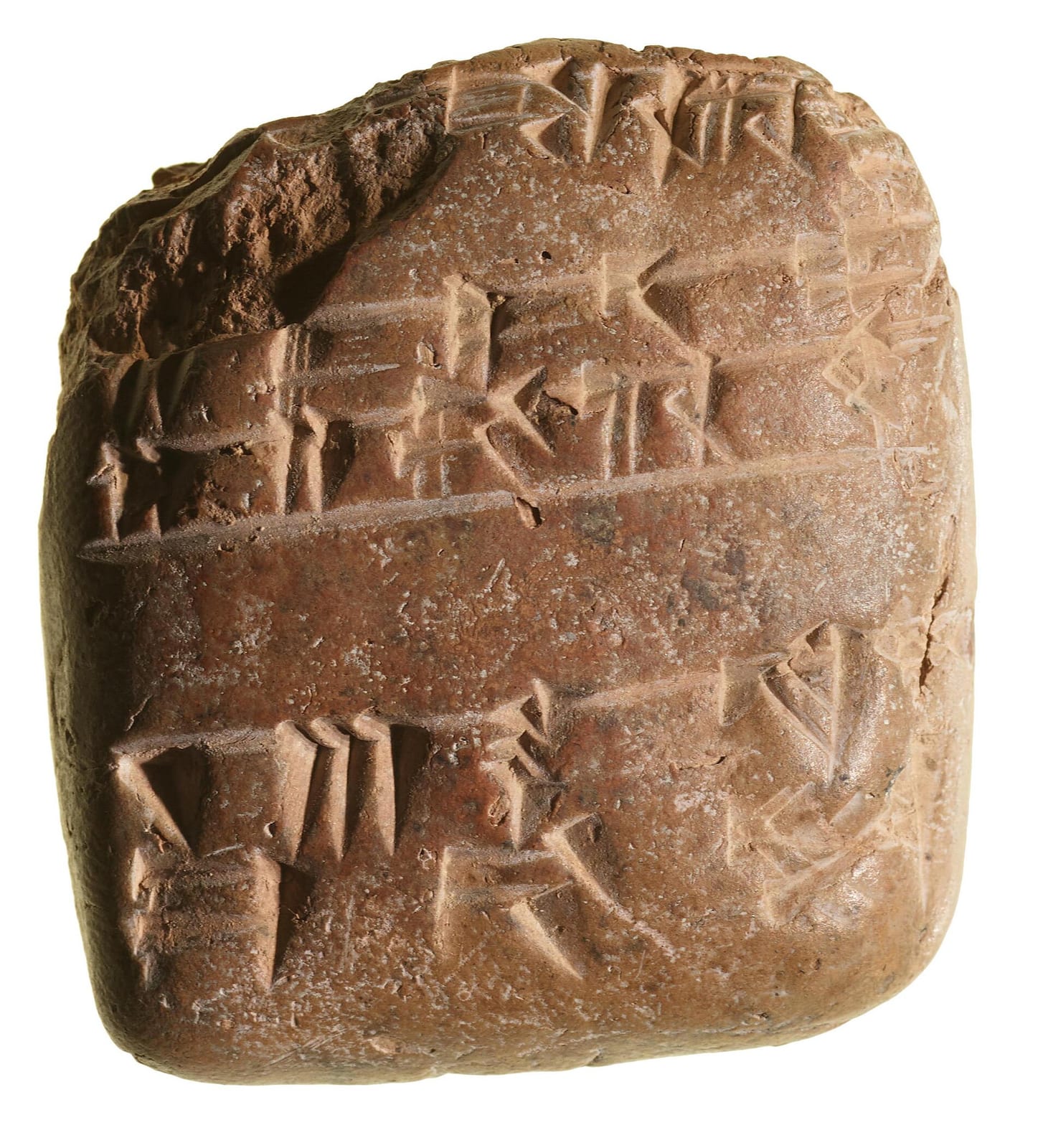
Thousands of clay tablets preserved Mesopotamian literature, including Gilgamesh.
In late 1849, Austen Henry Layard returned to excavate the South-West Palace of Sennacherib at Kouyunjik, the site of ancient Nineveh situated within modern Mosul in northern Iraq. By the spring of 1850, Layard's team had uncovered a vast repository of inscribed clay materials dating from the seventh century BCE. Three years later, Layard's assistant Hormuzd Rassam identified a related cache across the mound within the North Palace of Ashurbanipal, who ruled Assyria from 668 to about 630 BCE. Because the nineteenth-century excavators kept no systematic field records of their exact recovery contexts, these discoveries were mixed during transit and storage in Europe, making it nearly impossible for modern researchers to separate the holdings of the two distinct palatial buildings.
The texts were transferred primarily to the British Museum, whose Ashurbanipal Library Project counts almost 32,000 tablets and fragments. Ashurbanipal was an educated monarch literate in both Akkadian and Sumerian who actively gathered written heritage from across the Neo-Assyrian Empire. He dispatched scribes to compile regional documents, commissioned copies from Babylonian learning centers, and leveraged warfare and intimidation to seize tablets from neighboring areas. While his motivations encompassed diverse administrative and intellectual pursuits, modern analyses also highlight his specific desire to acquire divination, omen, and ritual formulas considered vital for preserving royal authority.

Keep reading in Yester
Coming soon to the App Store
Keep following the story
Sources
- What is the Library? (Ashurbanipal Library Project, British Museum, hosted on Oracc)
- Recording the Library (Ashurbanipal Library Project, British Museum, hosted on Oracc)
- History of the project (Ashurbanipal Library Project, British Museum, hosted on Oracc)
- The greatest library in the world was built by this ruthless king (National Geographic)
- Hormuzd Rassam (Linda Hall Library)
- Library of Ashurbanipal
Image: Gary Todd