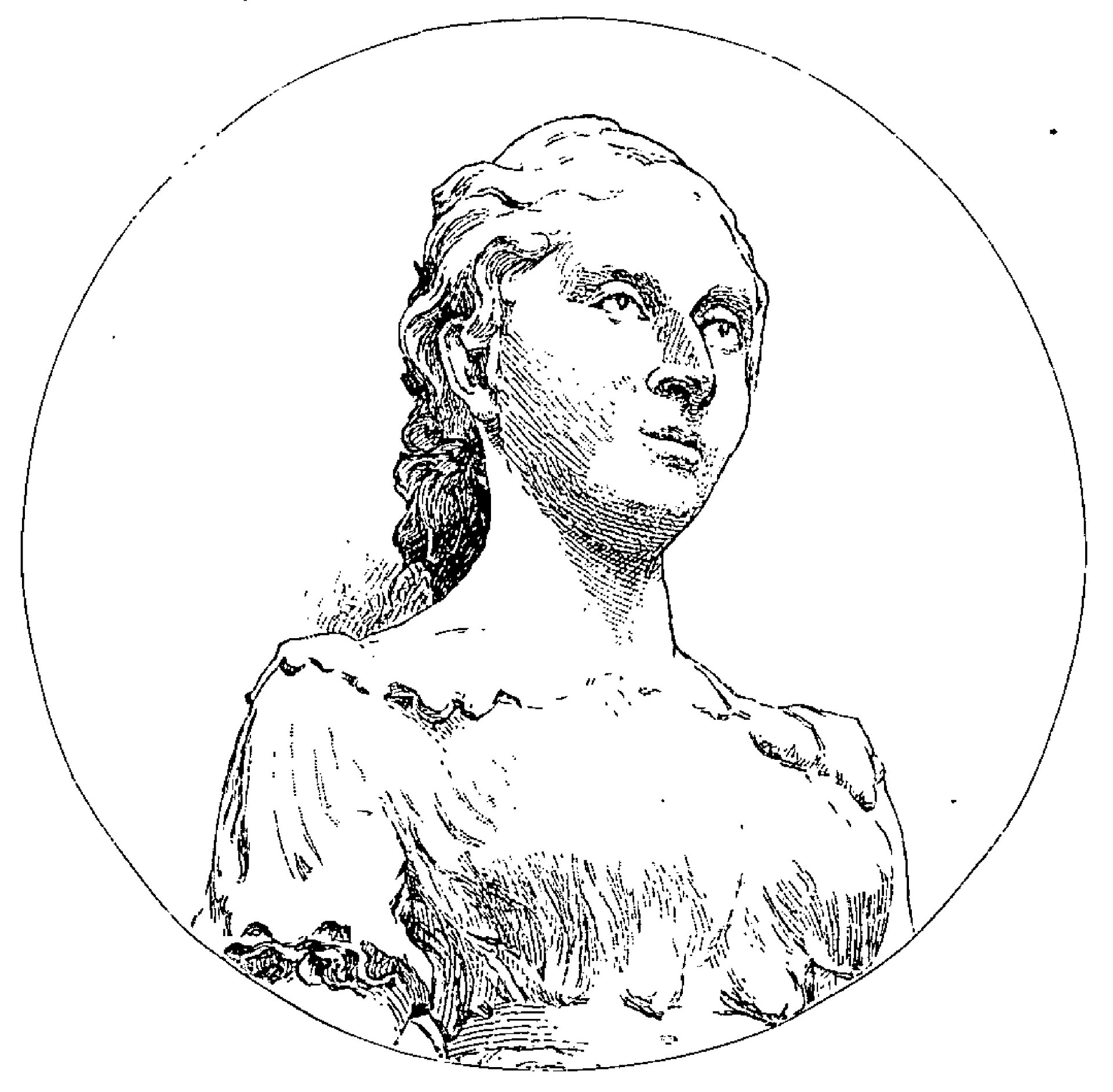
Sophie Germain Wins the Paris Academy’s Prize
A self-taught mathematician won with a theory of vibrating elastic plates.
On 8 January 1816, the Paris Academy of Sciences awarded its grand prize in mathematics to Sophie Germain, making her the first woman to win an award from the institution. The contest required participants to formulate a mathematical theory explaining the vibration of elastic surfaces and to reconcile their calculations with physical experiments. Germain submitted her entry under her own name, prevailing after years of solitary research on a problem that had discouraged nearly every other mathematician in France.
Germain came to the discipline entirely outside traditional academic institutions. Born in Paris in 1776, she began teaching herself mathematics as an adolescent by reading volumes in her father's library. When the Ecole Polytechnique was established in 1794, its regulations barred female students, but Germain acquired copies of lecture notes and submitted written assignments under the male pseudonym Antoine-Auguste Le Blanc. The faculty member Joseph Louis Lagrange recognized the caliber of her work and, upon discovering her true identity, chose to become her mentor.

Keep reading in Yester
Coming soon to the App Store
Keep following the story
Sources
Image: s:fr:Auteur:Sophie Germain