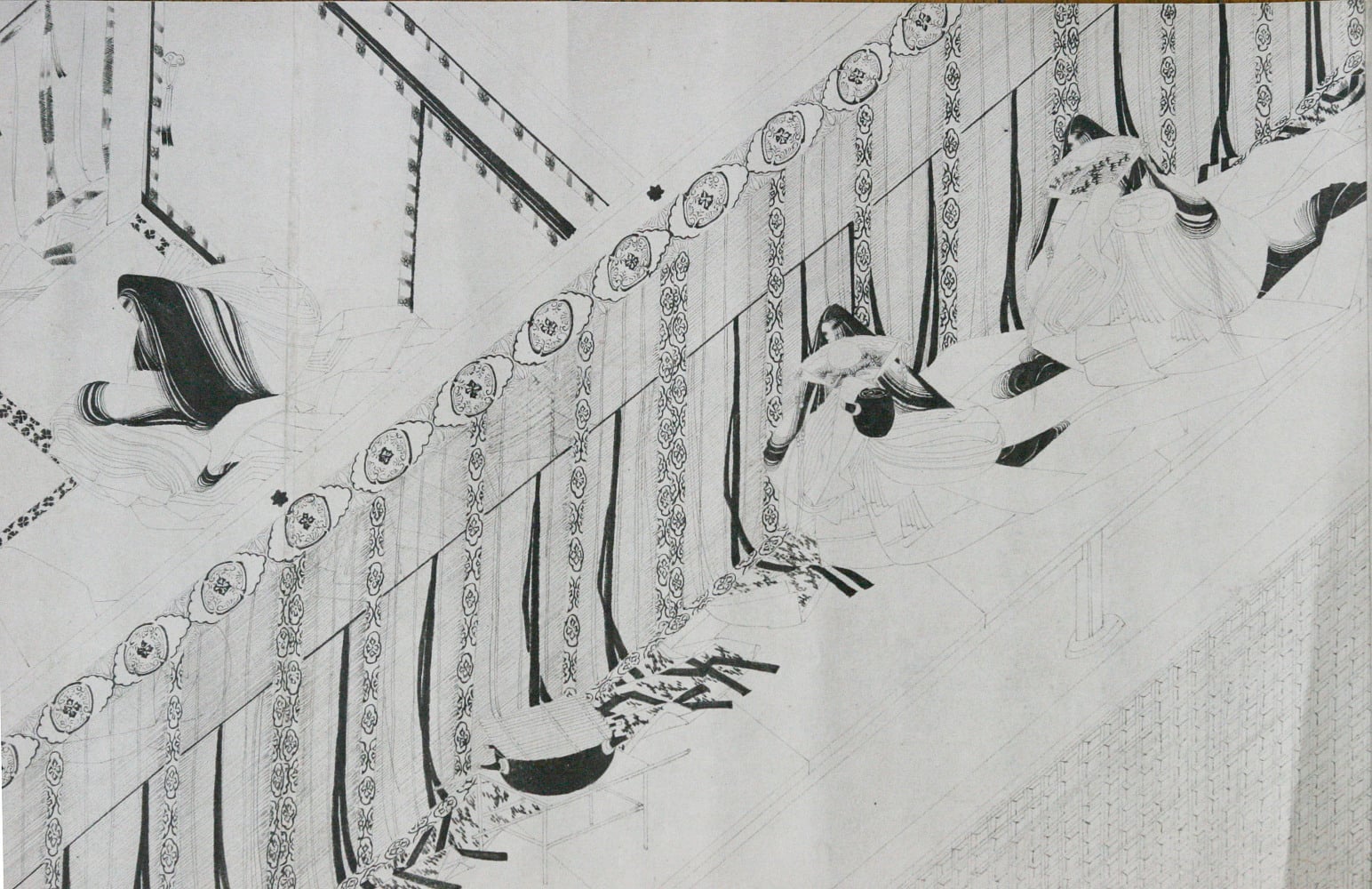
The Pillow Book Records the Texture of Court Life
Observations, lists and anecdotes preserve a distinctive literary voice from Heian Japan.
During the 990s and the early 1000s, Sei Shonagon served as a court lady to Empress Consort Fujiwara no Teishi in Heian-period Japan. Throughout this period in Kyoto, she recorded personal reflections, court anecdotes, character sketches, and famous thematic catalogues. Completed around the year 1002, her work came to be known as The Pillow Book. Rather than composing a systematic public record, Shonagon compiled short, largely unconnected entries spurred by the incidents, aesthetic textures, and social exchanges of her daily life.
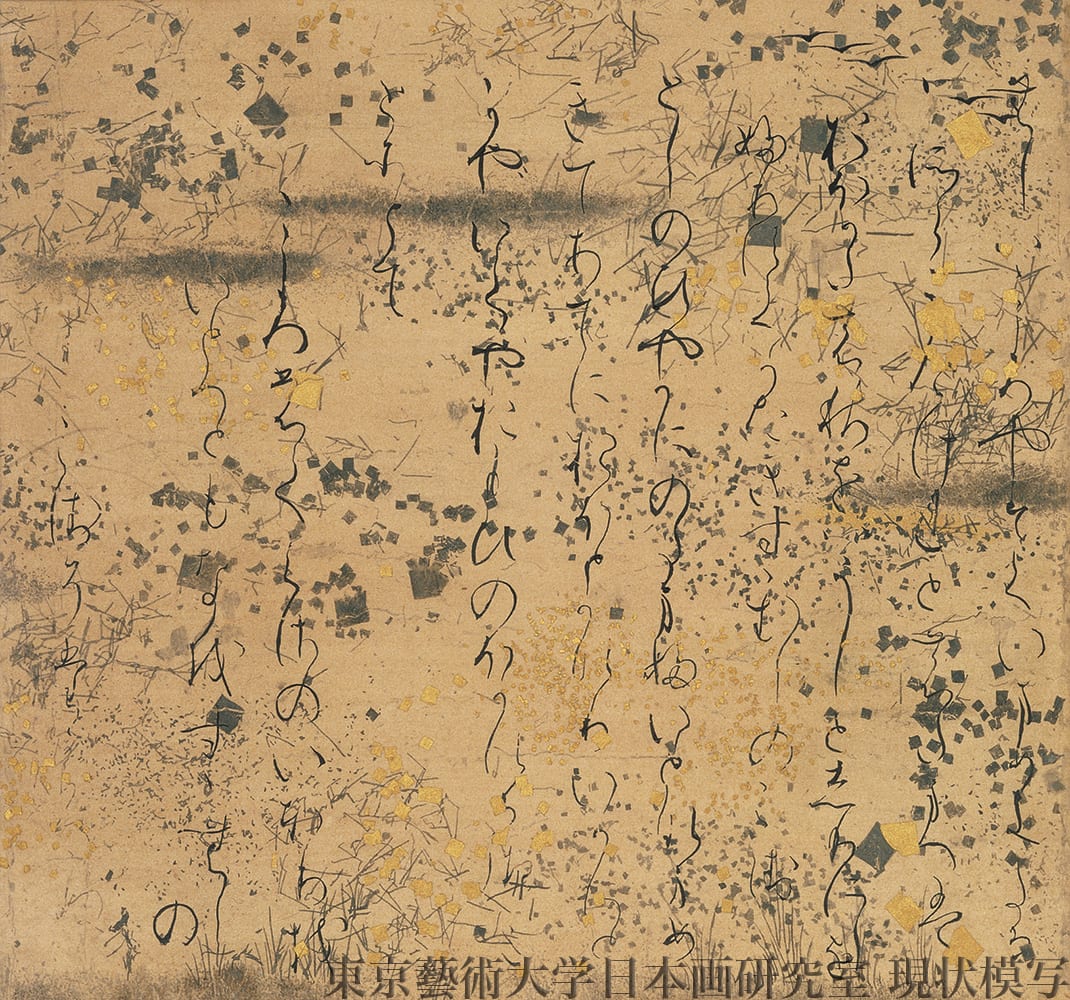
Court society in the Heian period placed immense value on literary accomplishment and poetic skill, making writing an indispensable element of aristocratic interaction. Upper-class men typically wrote in Chinese characters to manage public documents and exhibit their scholarly training, whereas Japanese women composed literature primarily in the phonetic hiragana script. Hiragana offered flexible phrasing suited to speech rhythms and domestic expression. Shonagon wrote principally in this syllabary, using Chinese terms selectively for official titles and place-names. This distinctive linguistic environment enabled elite women to cultivate a vibrant, native vernacular literature.

Keep reading in Yester
Coming soon to the App Store
Keep following the story
Sources
Image: Unknown author Unknown author