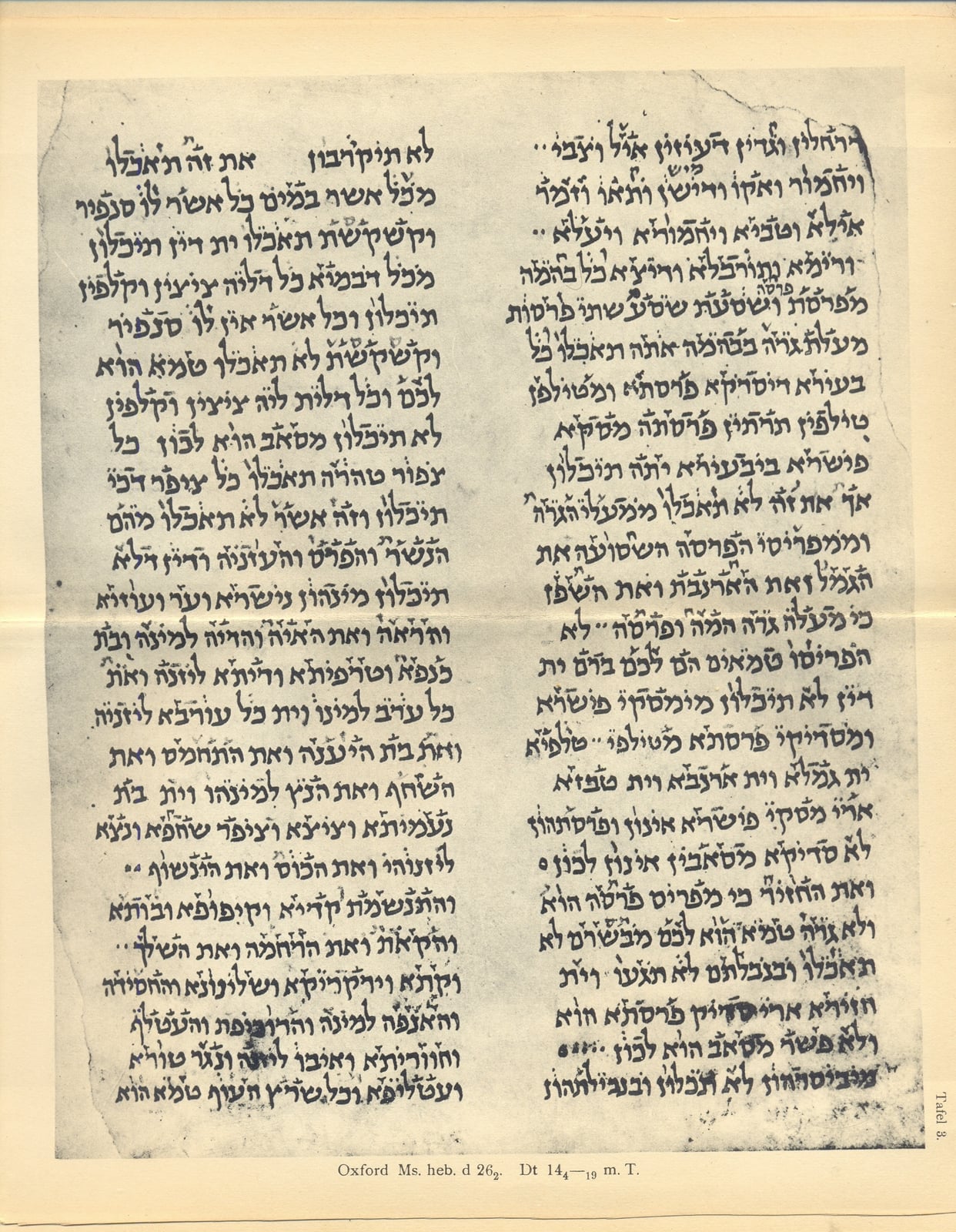
Solomon Schechter Brings the Cairo Geniza to Light
A synagogue storeroom held about 400,000 manuscript fragments spanning a thousand years.
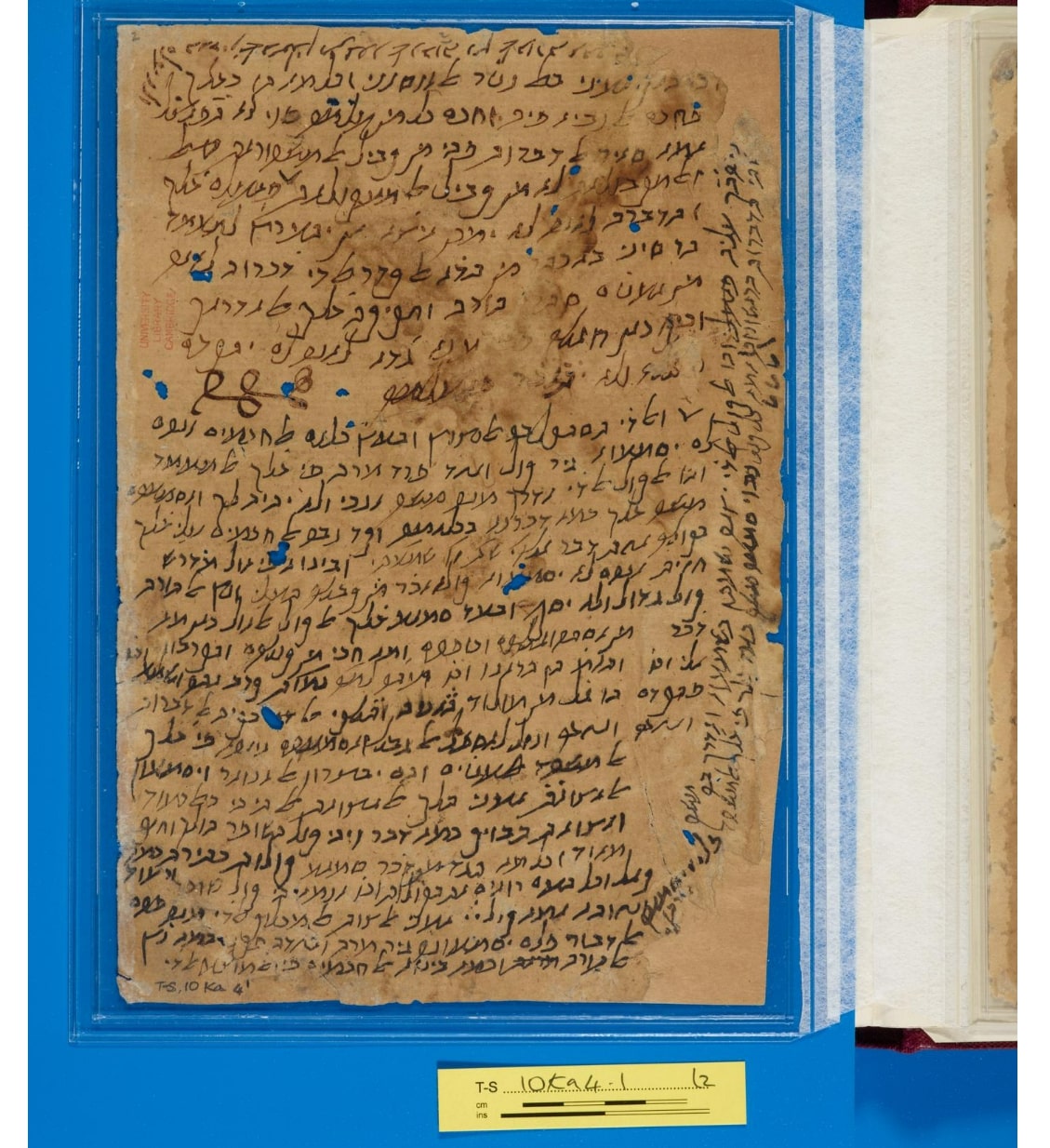
In the spring of 1896, Scottish scholars Agnes S. Lewis and Margaret D. Gibson returned to England from Egypt carrying a selection of ancient manuscript fragments. In Cambridge, they presented these pieces to Solomon Schechter, a scholar of rabbinics who immediately recognized their profound historical value. The fragments originated from the Ben Ezra Synagogue in Old Cairo, where a secluded storeroom known as a genizah had gathered discarded community writings over the course of many centuries. Supported by Cambridge colleague Charles Taylor, Schechter traveled to Egypt later that year to investigate the repository firsthand.
Traditional Jewish custom prohibited the destruction of writings that bore sacred texts or Hebrew script, which was considered holy. Synagogue communities routinely placed decommissioned religious works and everyday documents into a genizah until they could be formally buried. In the Ben Ezra Synagogue, however, centuries of material accumulated inside an enclosed chamber without windows or doors, accessible only by climbing a ladder from the gallery. Over generations, hundreds of thousands of loose folios, damaged books, and records coalesced into an enormous, neglected mound.

Keep reading in Yester
Coming soon to the App Store
Keep following the story
Sources
Image: Paul Kahle