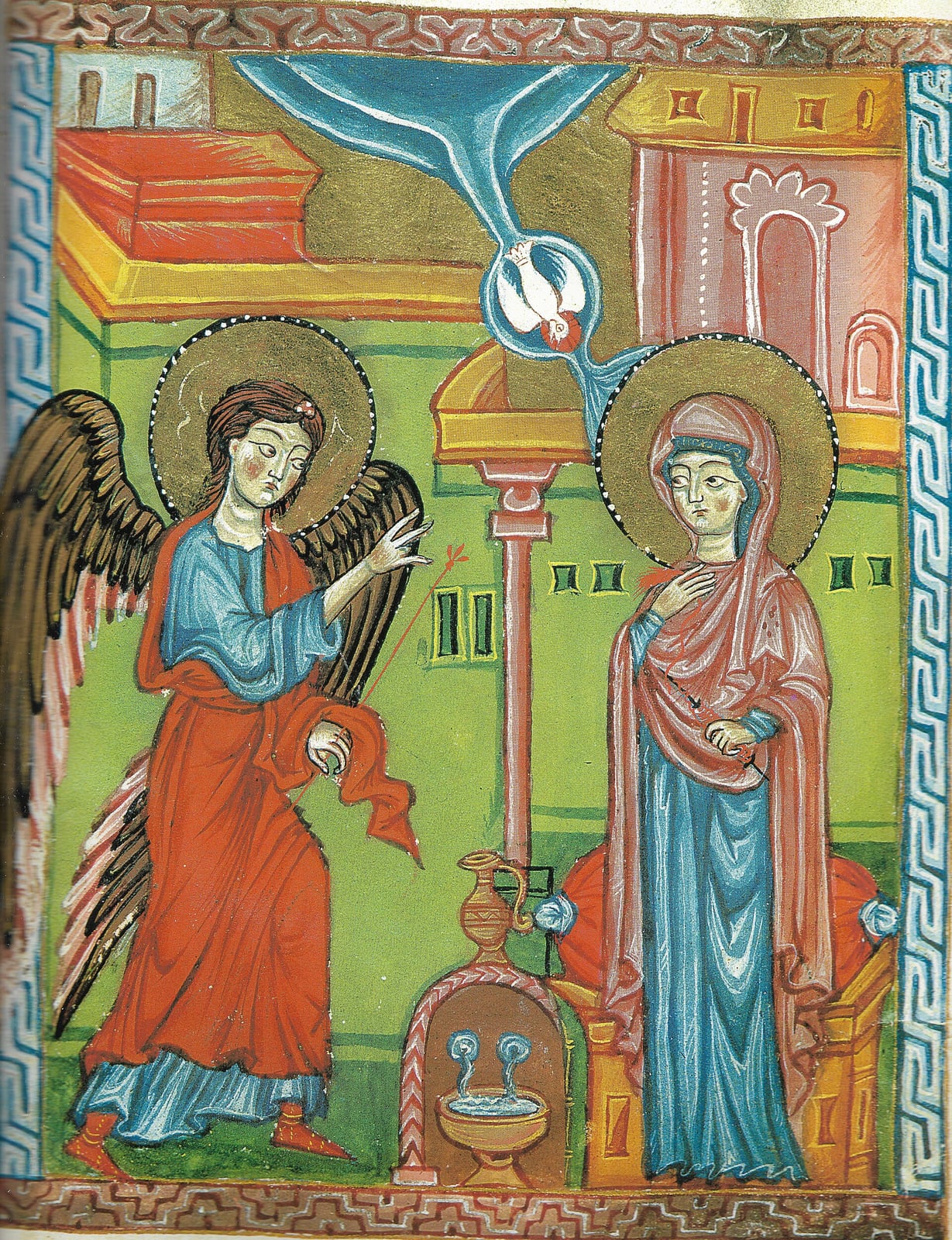
Mesrop Mashtots Creates the Armenian Alphabet
A monk designed new letters so the Bible could be read in Armenian.
Around 405, the Armenian linguist and church leader Mesrop Mashtots introduced a dedicated writing system for the Armenian language. Working in close collaboration with the head of the church, Isaac of Armenia, Mashtots created an alphabet initially comprising thirty-six letters. Tradition records that the first sentence rendered into the new script was a translation from the biblical Book of Proverbs, celebrating wisdom and understanding. The invention addressed an acute ecclesiastical need, enabling native Christian worship and direct engagement with holy scripture in an era when regional religion and administration were dominated by outside tongues.
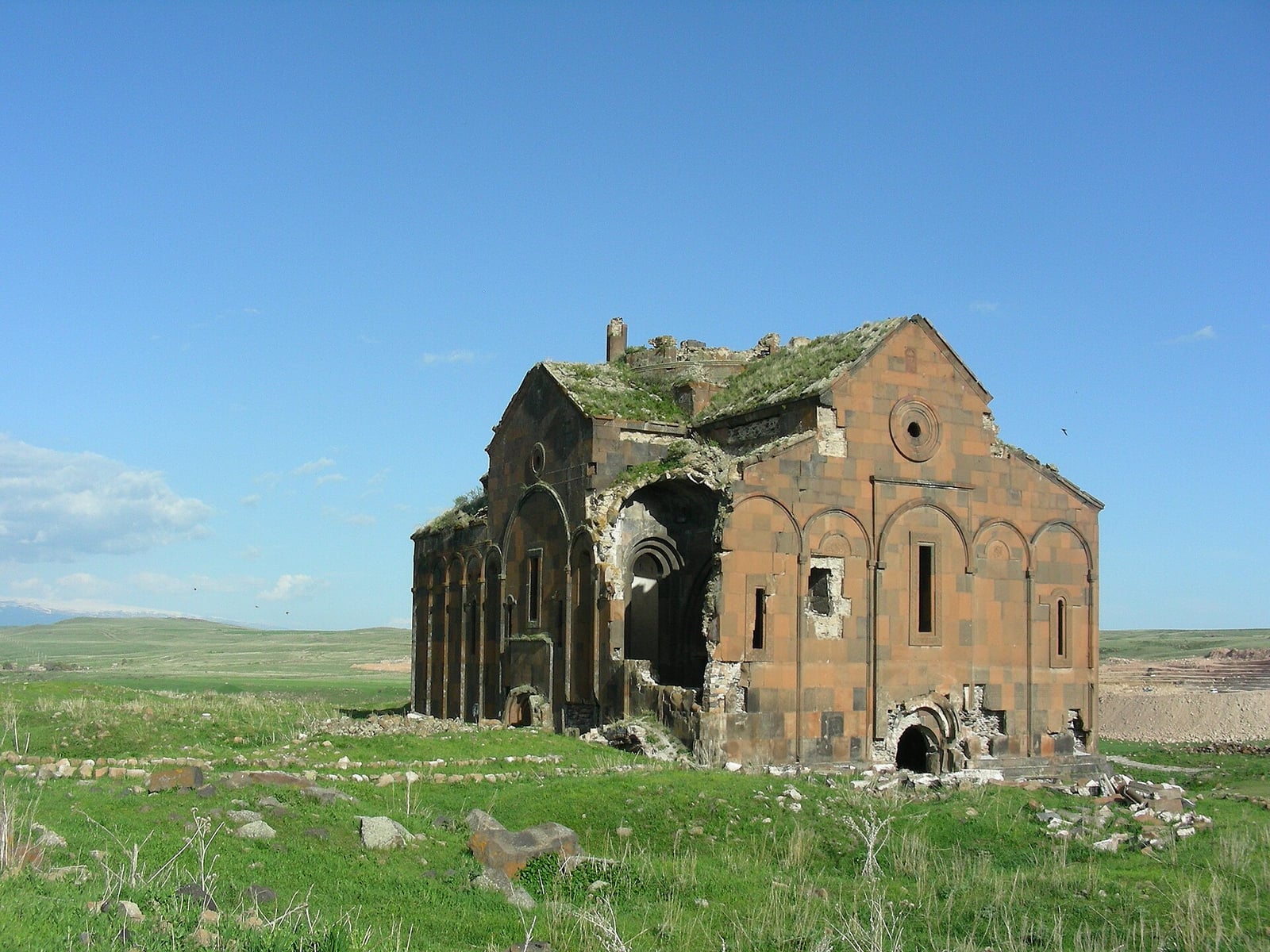
Earlier historical accounts had occasionally suggested that an older script existed in Armenia before the fifth century. Authors such as Hippolytus of Rome and Philostratus noted ancient Armenian inscriptions, while the medieval historian Movses Khorenatsi claimed that Bardesanes examined pre-Christian temple writings at the fortress of Ani. Furthermore, Mashtots’s pupil and biographer Koriwn recorded that his teacher evaluated older letters during his early efforts. Despite these traditions and surviving legends, Mashtots's design formed the genuine foundation of written Armenian literature, establishing an enduring alphabetic order that drew primarily from the structural model of Greek.

Keep reading in Yester
Coming soon to the App Store
Keep following the story
Sources
Image: Toros Taronatsi