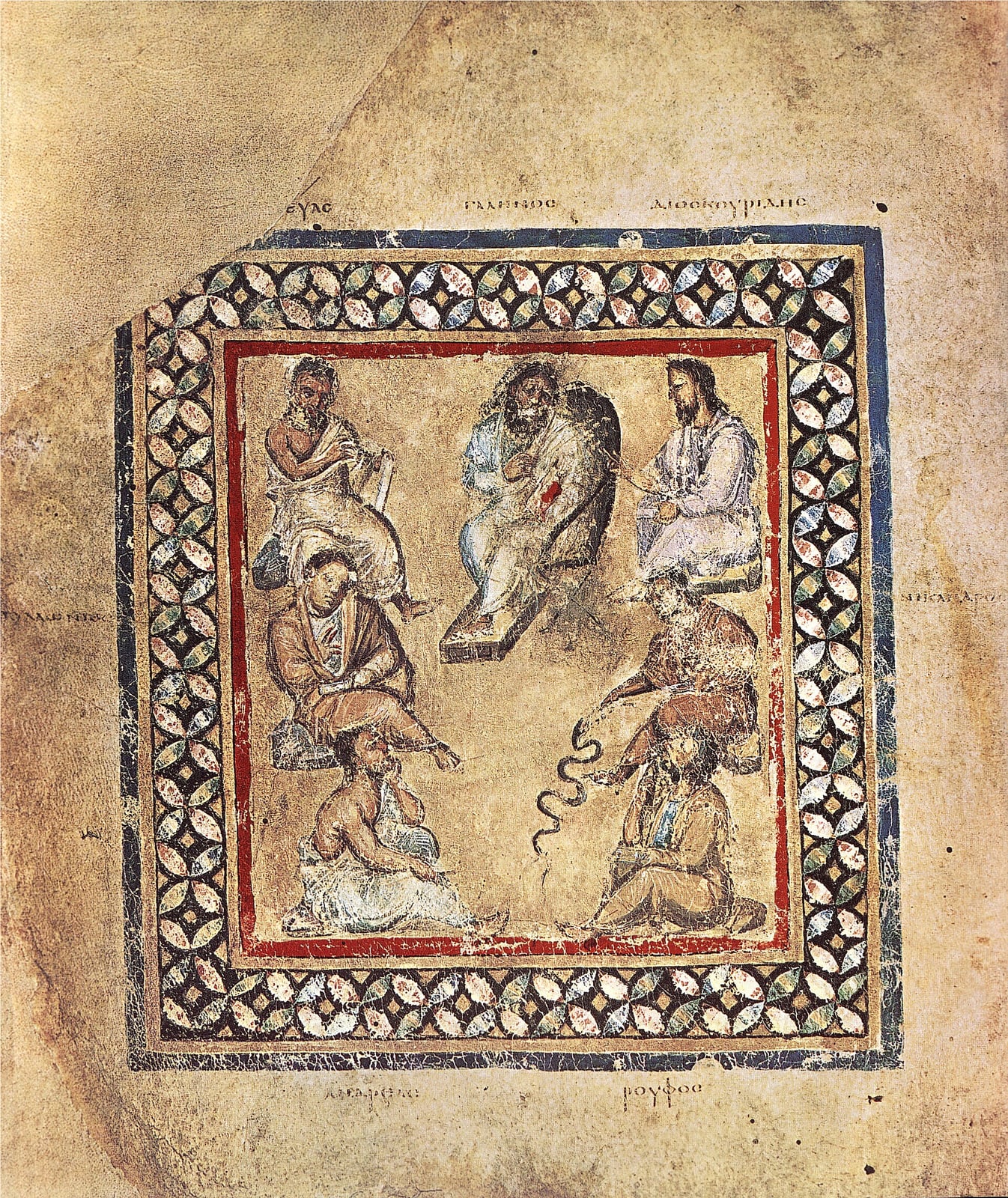
Galen Builds a System of Medicine in Rome
A physician’s writings shaped medicine for more than a thousand years.
In 162, the Greek physician Galen arrived in Rome after extensive studies across the Mediterranean and four years tending wounded combatants as physician to the gladiators in Pergamon. Rome offered both immense imperial patronage and fierce medical rivalries. Galen quickly distinguished himself by staging public anatomical demonstrations and promoting rigorous diagnosis based on observation and logical deduction. His confrontational demeanor and his criticisms of practitioners who relied on divination soon made enemies among local doctors. Fearing assassination or poisoning, he departed the city for a time, only to be summoned back by Emperor Marcus Aurelius during the devastating outbreak of the Antonine Plague.
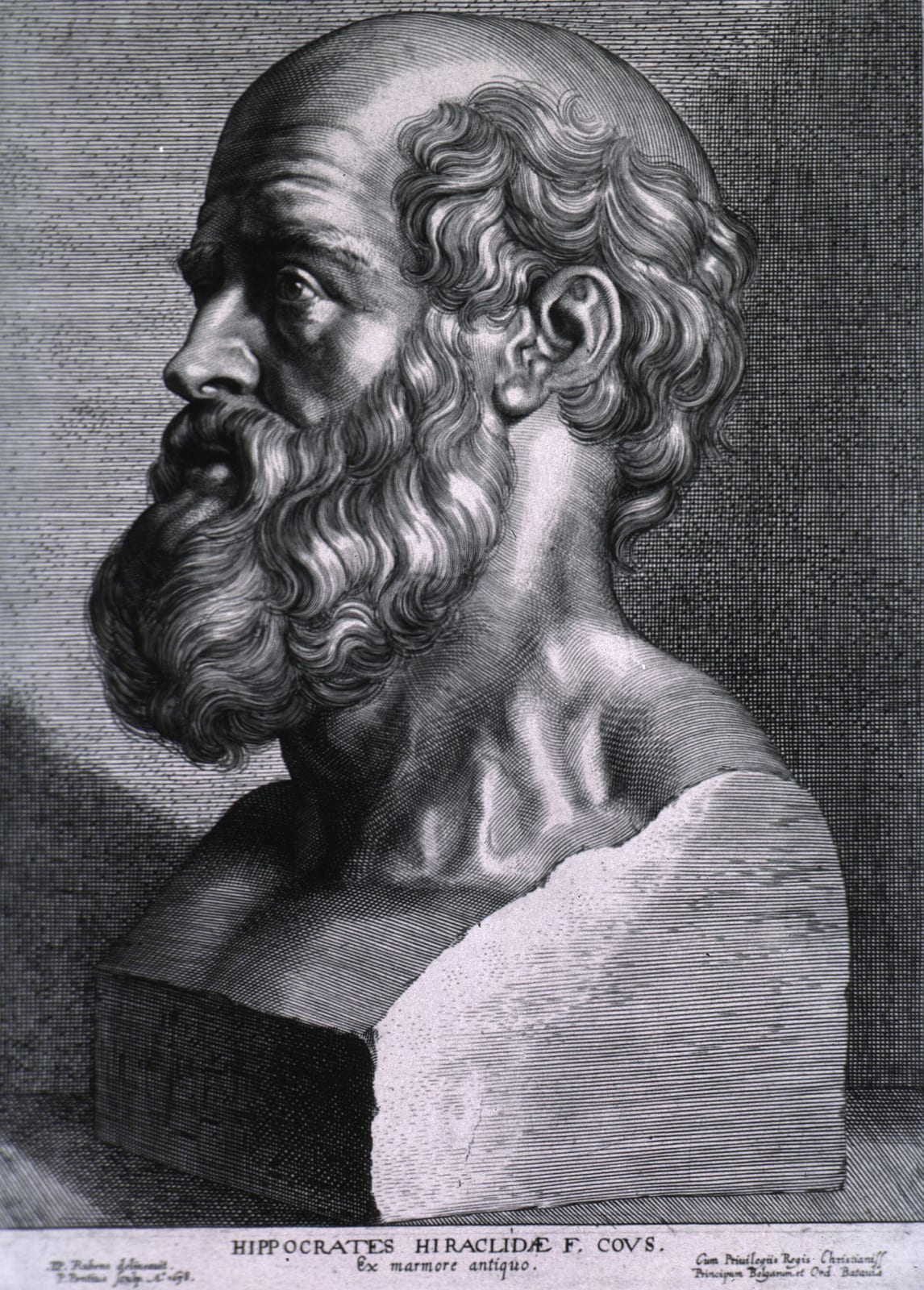
Upon his return, Galen served the imperial court, caring for the young Commodus and later treating Septimius Severus. This position gave him the security to compose massive treatises that organized ancient medical learning into a coherent doctrine. Galen embraced the humoral theory found in the writings attributed to Hippocrates, arguing that human health and personality depended upon the balance of four bodily fluids: blood, yellow bile, black bile, and phlegm. In Galen's framework, physical temperaments such as sanguine, choleric, melancholic, and phlegmatic corresponded directly to these fluids. Therapeutics focused on restoring equilibrium, which led him to vigorously champion venesection and dietary regimens.

Keep reading in Yester
Coming soon to the App Store
Keep following the story
Sources
- Galen: a Biographical Sketch (Medicina Antiqua, University College London)
- Finding your pig's voice, by Claire Bubb (Classics for All)
- Ibn al-Nafis, the pulmonary circulation, and the Islamic Golden Age (Journal of Applied Physiology, via PubMed Central)
- Milestones in Understanding Pulmonary Circulation: From Antiquity to Heart-Lung Machine (Diagnostics, via PubMed Central)
- Ibn Al-Nafis: Discoverer of the Pulmonary Circulation (Annals of Saudi Medicine, via PubMed Central)
- Galen
Image: Unknown author Unknown author