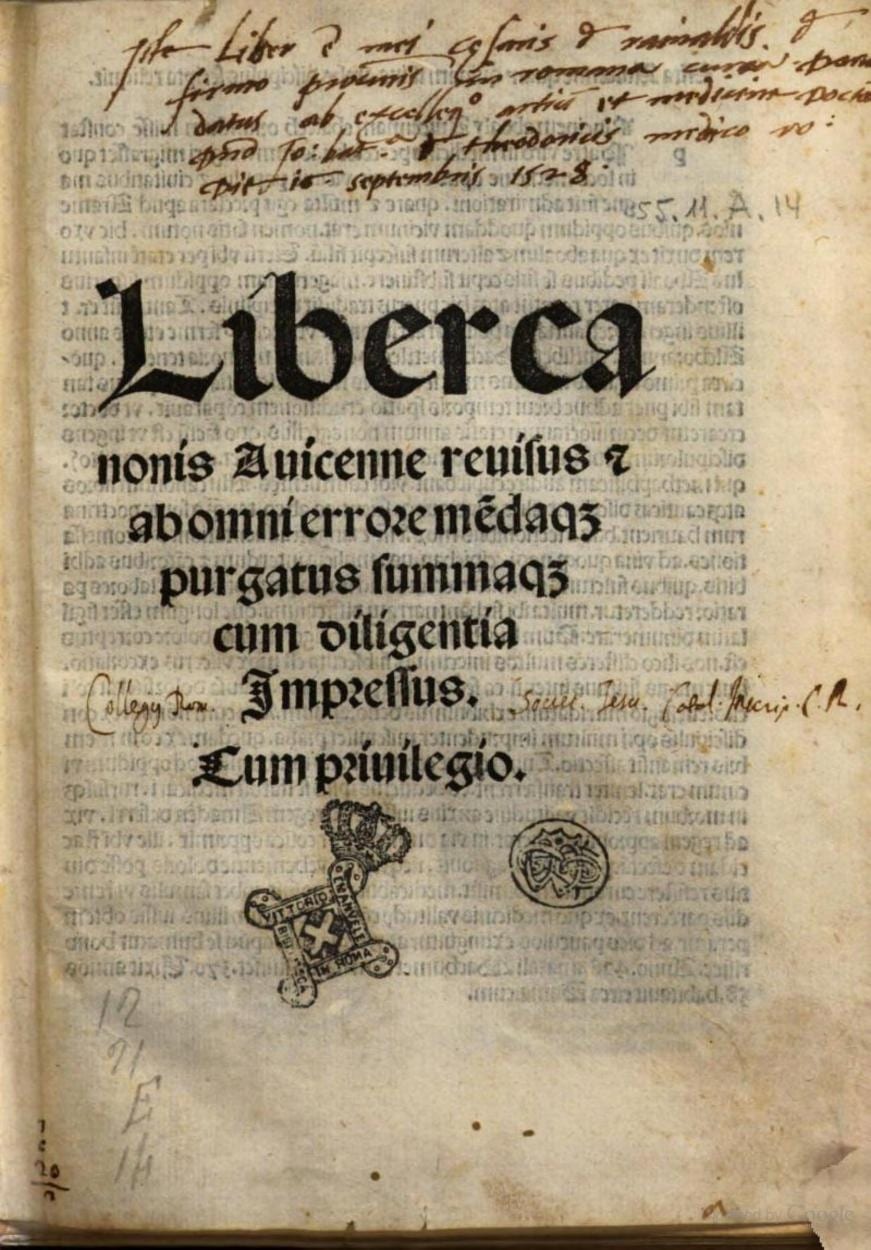
Ibn Sina Organizes Medicine into a Lasting Book
The Canon of Medicine offered generations of readers a structure for studying the body. Its influence grew through translation, teaching and the power of organized knowledge.
A medical book can change practice not only by announcing a discovery, but by making a vast body of knowledge usable. In the early eleventh century, the Persian scholar Ibn Sina, known in Latin as Avicenna, composed the Canon of Medicine. Its five books organized principles, remedies and diseases into an extensive reference work. For generations of readers, the attraction was not a single dramatic experiment. It was a system through which medicine could be studied, discussed and taught.
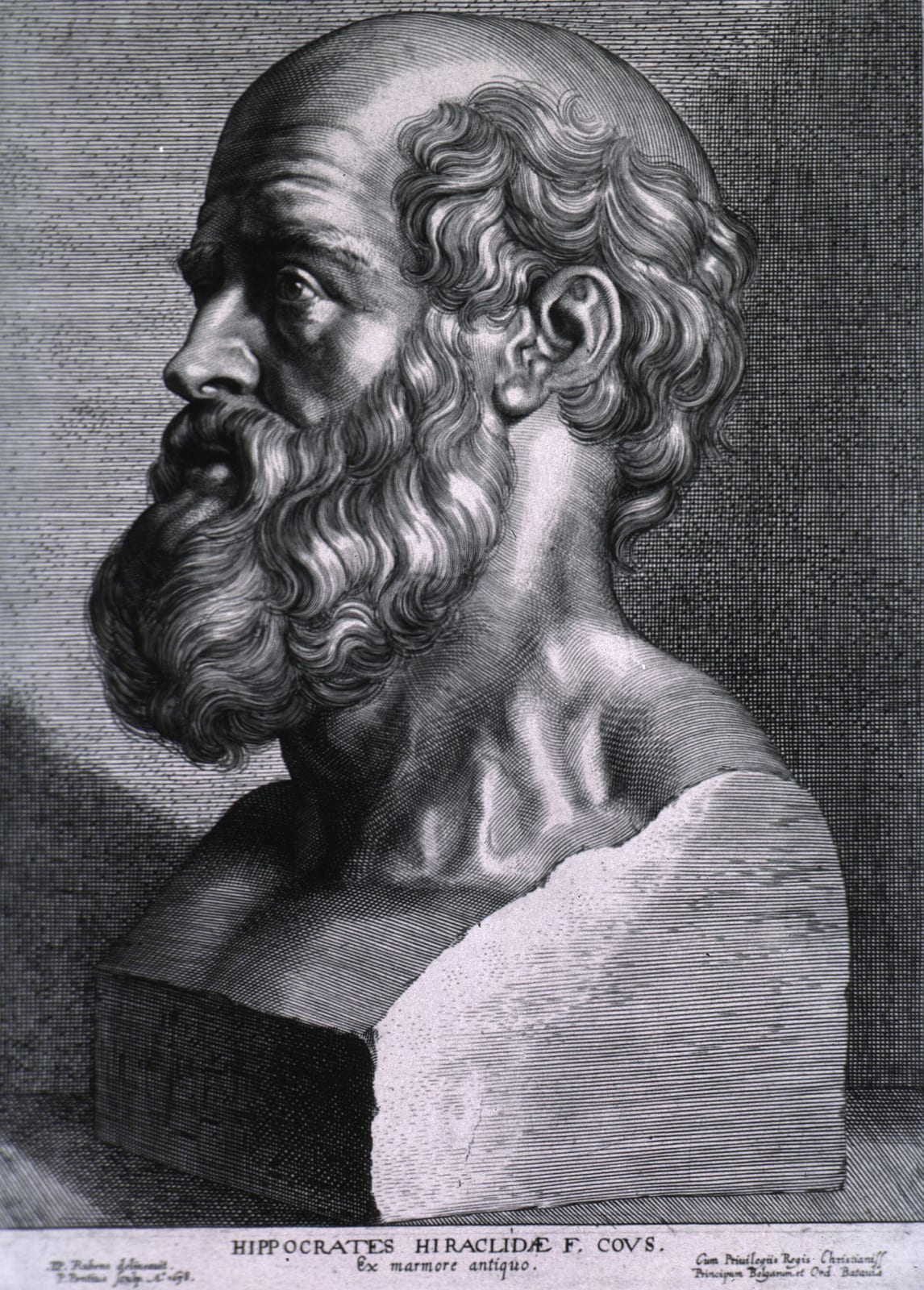
Ibn Sina worked within an intellectual world that had already translated and developed earlier Greek medical learning. He did not preserve a frozen package from antiquity and simply hand it to Europe. His writing arranged inherited ideas alongside the medical thought and experience of his own setting. The resulting synthesis belonged to an active scholarly culture using Arabic across a wide geographical area. Calling it a bridge between two supposedly creative civilizations misses the intellectual work occurring on the bridge itself.

Keep reading in Yester
Coming soon to the App Store
Keep following the story

Sources
Image: Avicenna