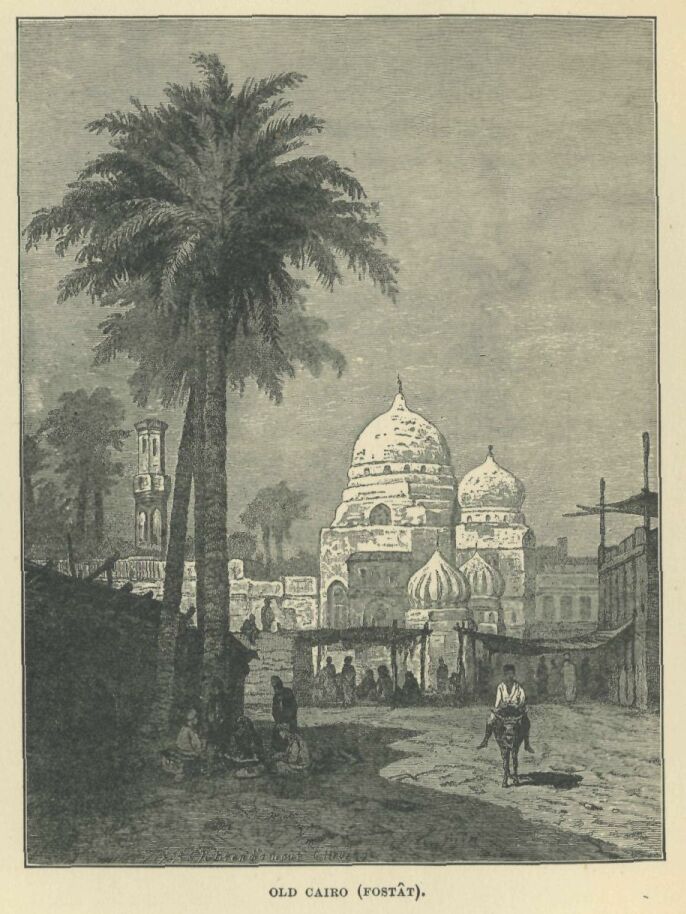
Amr ibn al-As Founds Fustat Beside the Nile
A garrison camp grew into the first Islamic capital of Egypt and the seed of Cairo.
Following the surrender of Alexandria in September 641, the Muslim commander Amr ibn al-As established a new administrative settlement on the eastern bank of the Nile. Rather than maintaining the coastal capital that had governed Egypt since the era of Alexander the Great, the conquerors opted for an inland site immediately north of the Roman fortress of Babylon. According to local tradition, the location was marked by a dove that had nested in the general's campaign tent, prompting him to leave the pavilion undisturbed while marching to war. Upon his return, the surrounding encampment became the seed of a permanent metropolis known as Misr al-Fustat.
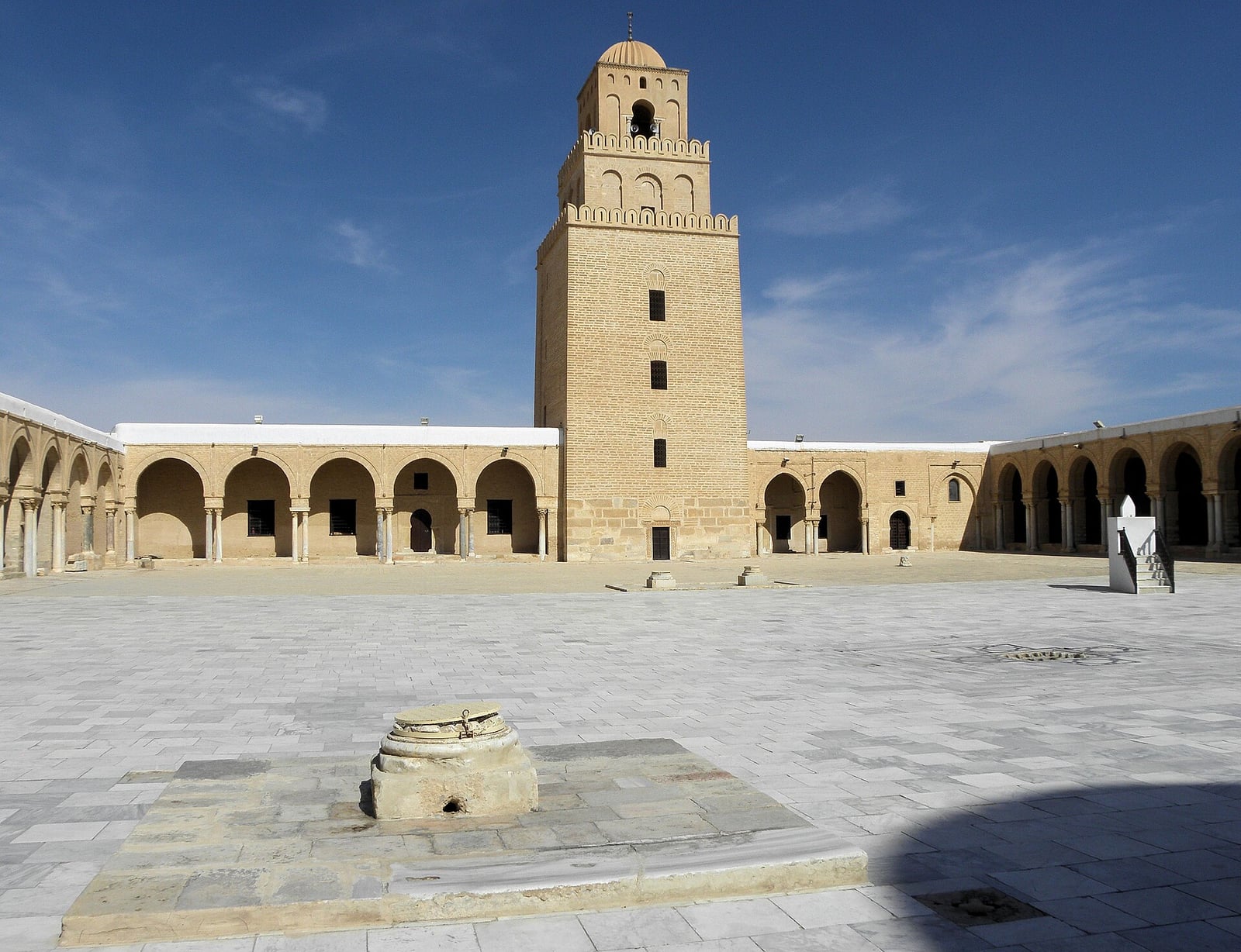
At its inception, Fustat was organized primarily as a military garrison designed to support further Arab campaigns westward across North Africa and north toward Byzantine holdings. It remained the focal point of expansion across the continent until the establishment of Kairouan in modern Tunisia in 670. The initial population consisted almost entirely of soldiers and their households, divided into tribal sectors known as khittas grouped around the primary administrative buildings. Settlers drawn from Yemen and western Arabia formed the majority of these districts, living alongside smaller numbers of Jews and Roman mercenaries. While Arabic served as the dialect of administration and communication, Coptic continued to be spoken in the settlement well into the eighth century.

Keep reading in Yester
Coming soon to the App Store
Keep following the story
Sources
Image: Rappoport, A.S. (Angelo Solomon), 1871-1950 VIAF (71482297)