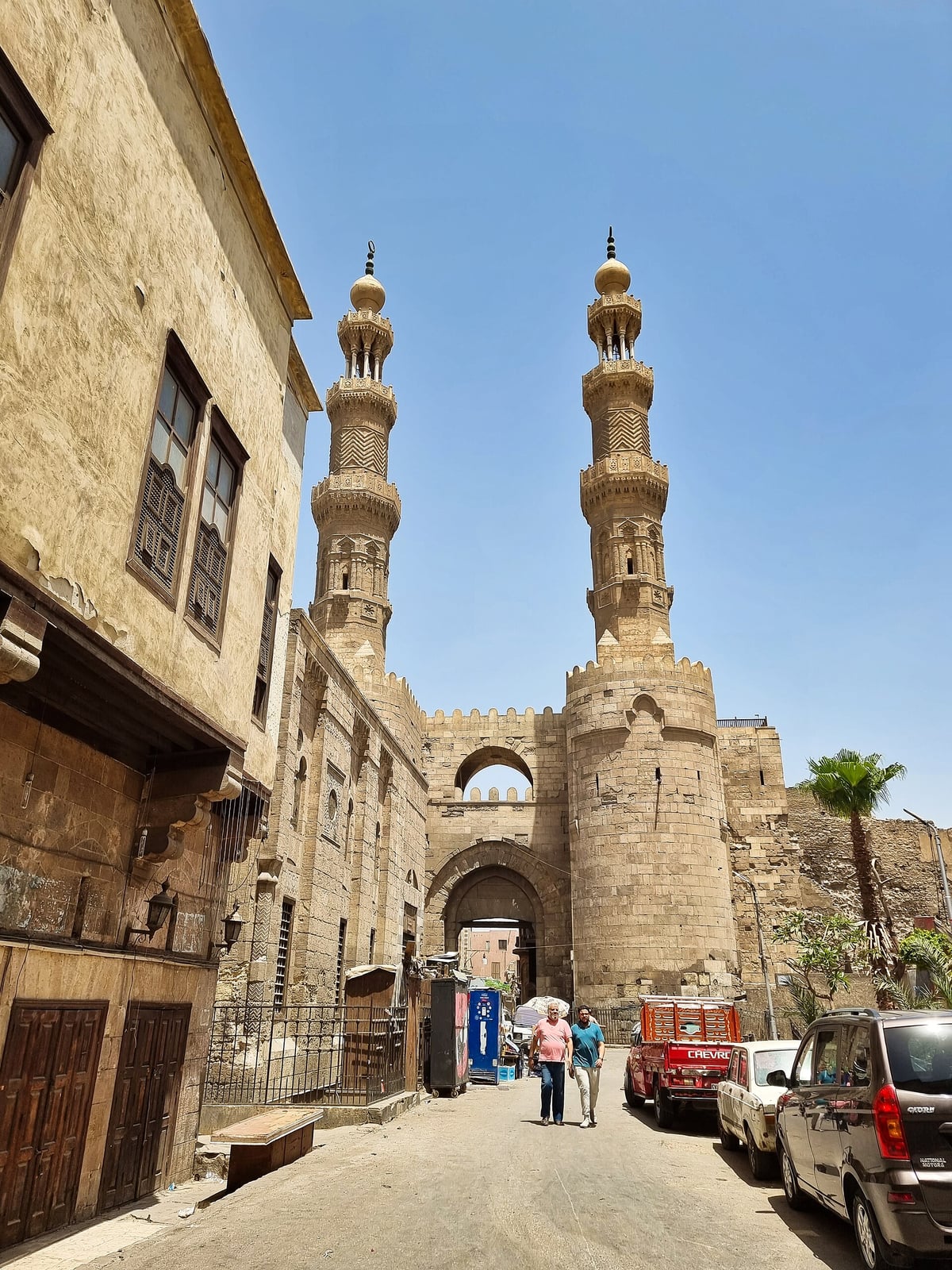
The Fatimids Found Cairo
A new caliphate built a royal city that grew into a great capital.
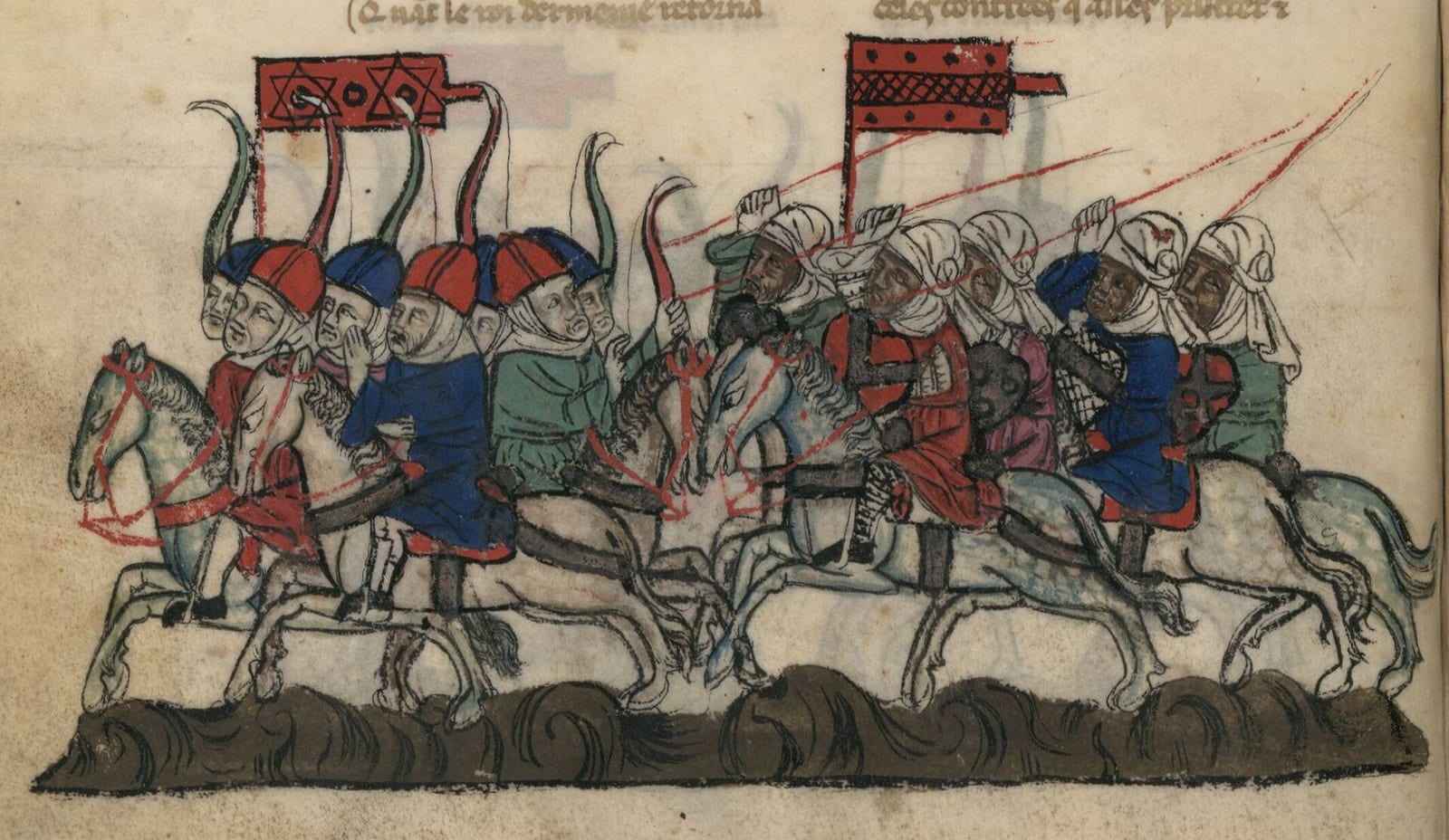
In the summer of 969, armies dispatched by the Fatimid caliph al-Mu'izz conquered Egypt, concluding decades of ambition directed toward the east. The dynasty traced its lineage to the Prophet Muhammad through his daughter Fatima and her husband Ali, leading an Isma'ili Shi'a movement that rejected the legitimacy of the rival Abbasids in Baghdad. Before looking to Egypt, the Fatimids had risen to power in North Africa, where Kutama Berber forces guided by the missionary Abu Abdallah overthrew the Aghlabid dynasty in 909. That victory allowed Abdallah al-Mahdi Billah to assume the title of caliph and found an empire governed from initial coastal seats in modern Tunisia.
Earlier efforts to invade Egypt in the 910s had collapsed, obliging the dynasty to spend generations securing its authority across the central Maghreb and Sicily while facing the Umayyads of Cordoba. Only during the reign of al-Mu'izz, aided by the military campaigns of his general Jawhar al-Siqilli, was Fatimid rule securely established across northern Morocco and redirected eastward. Jawhar entered Egypt in 969 and laid out a new fortified royal enclosure adjacent to Fustat. Eventually named al-Qahirah al-Mu'izziyya, the Victorious City of al-Mu'izz, this foundation became known in English as Cairo and served as the administrative core for the expanding caliphate.

Keep reading in Yester
Coming soon to the App Store
Keep following the story

Sources
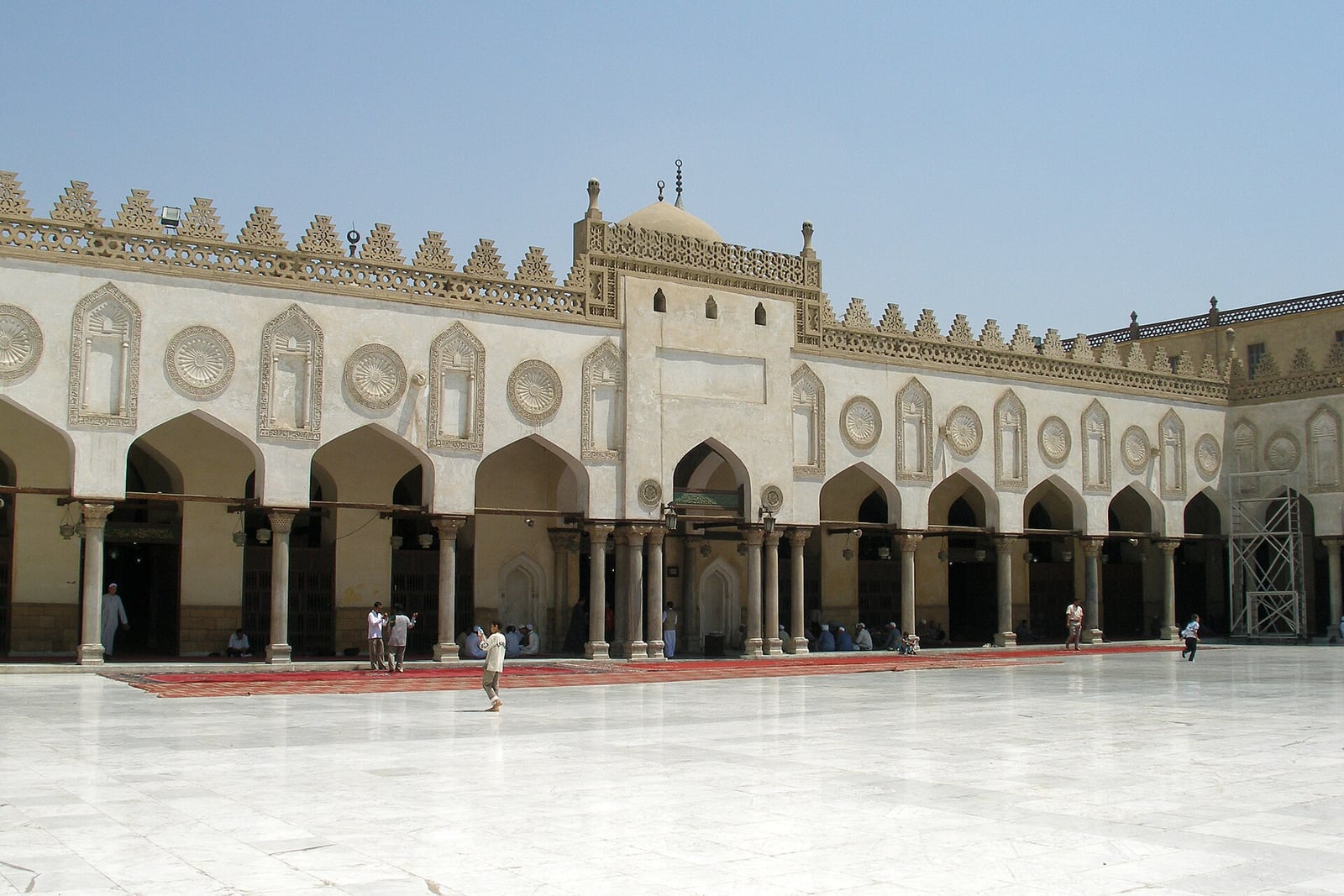
Image: Richard Mortel from Riyadh, Saudi Arabia