Enslaved East Africans Rise in the Zanj Rebellion
Laborers in the salt marshes near Basra held out against the Abbasids for fourteen years.
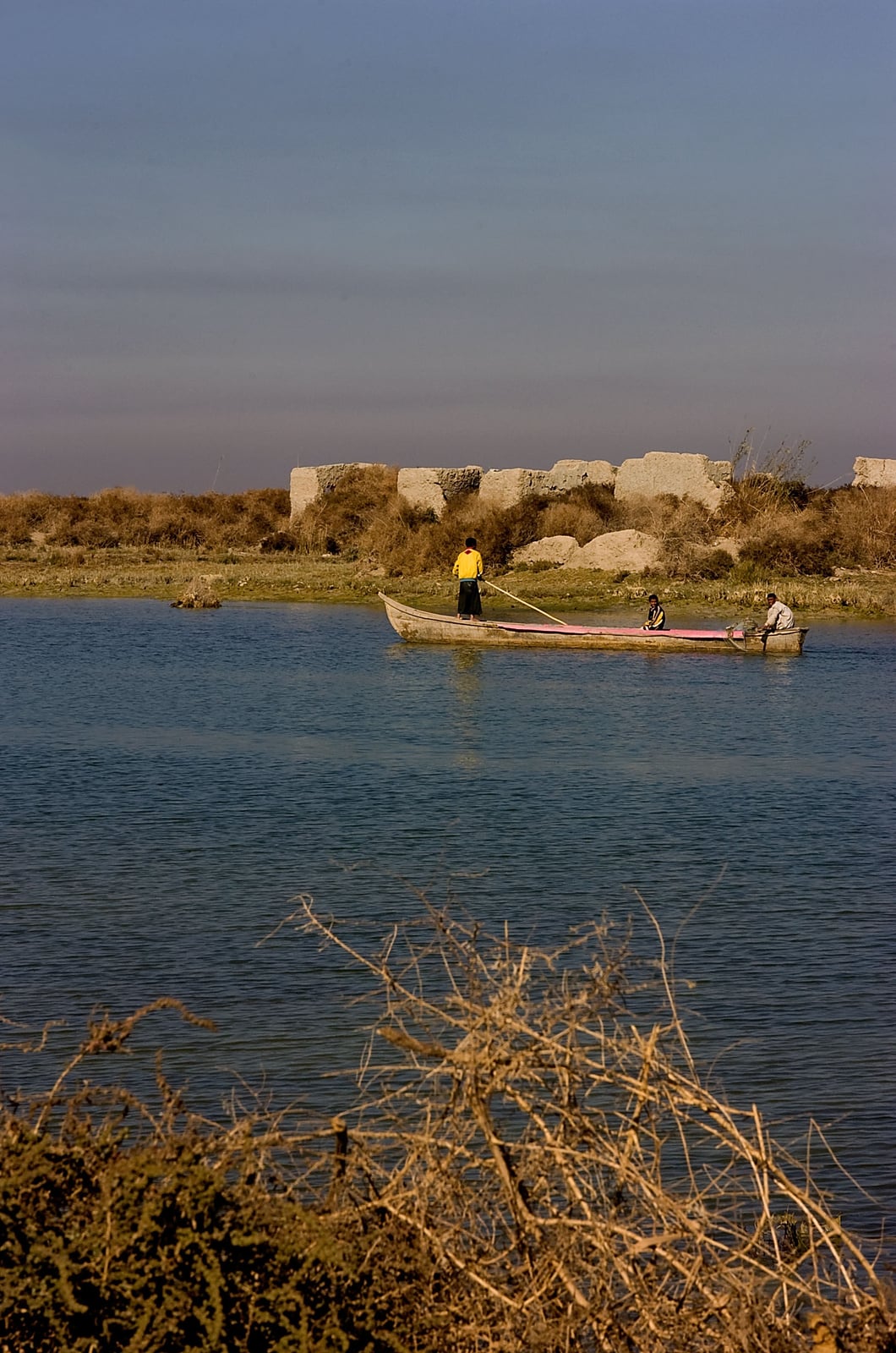
In September 869, an insurrection erupted in the marshlands and salt flats surrounding the southern Iraqi port of Basra, shaking the Abbasid Caliphate to its foundations. Landowners in the region had acquired abandoned, flood-prone fields, relying on enslaved laborers to remove the salty, nitrous topsoil so the terrain could be cultivated. These workers, broadly designated in historical sources as Zanj, endured harsh living conditions and exhausting manual labor in large work camps. Although the term historically referred to Bantu peoples from the East African coast, modern scholars note that contemporary writers often applied it broadly to African peoples of varied origins, including captives from North Africa, Abyssinia, Sudan, and central regions.
The laborers found an ambitious leader in Ali ibn Muhammad, an enigmatic figure whose origins remain debated, with some accounts describing him as Arab and others as Persian. After unsuccessful efforts to incite rebellions in eastern Arabia and within Basra itself, Ali relocated to the nearby marshes. He began questioning the agricultural laborers about their rations and treatment, promising them freedom and prosperity if they joined his movement. Ali adopted slogans from the egalitarian Kharijite sect, proclaiming that any qualified man could lead regardless of lineage, while simultaneously maintaining claims of descent from the family of the Prophet Muhammad. Enslaved field hands rallied to his call, soon joined by rural peasants, Bedouins, and local urban laborers.

Keep reading in Yester
Coming soon to the App Store
Keep following the story
Sources
Image: Sgt. Gustavo Olgiati