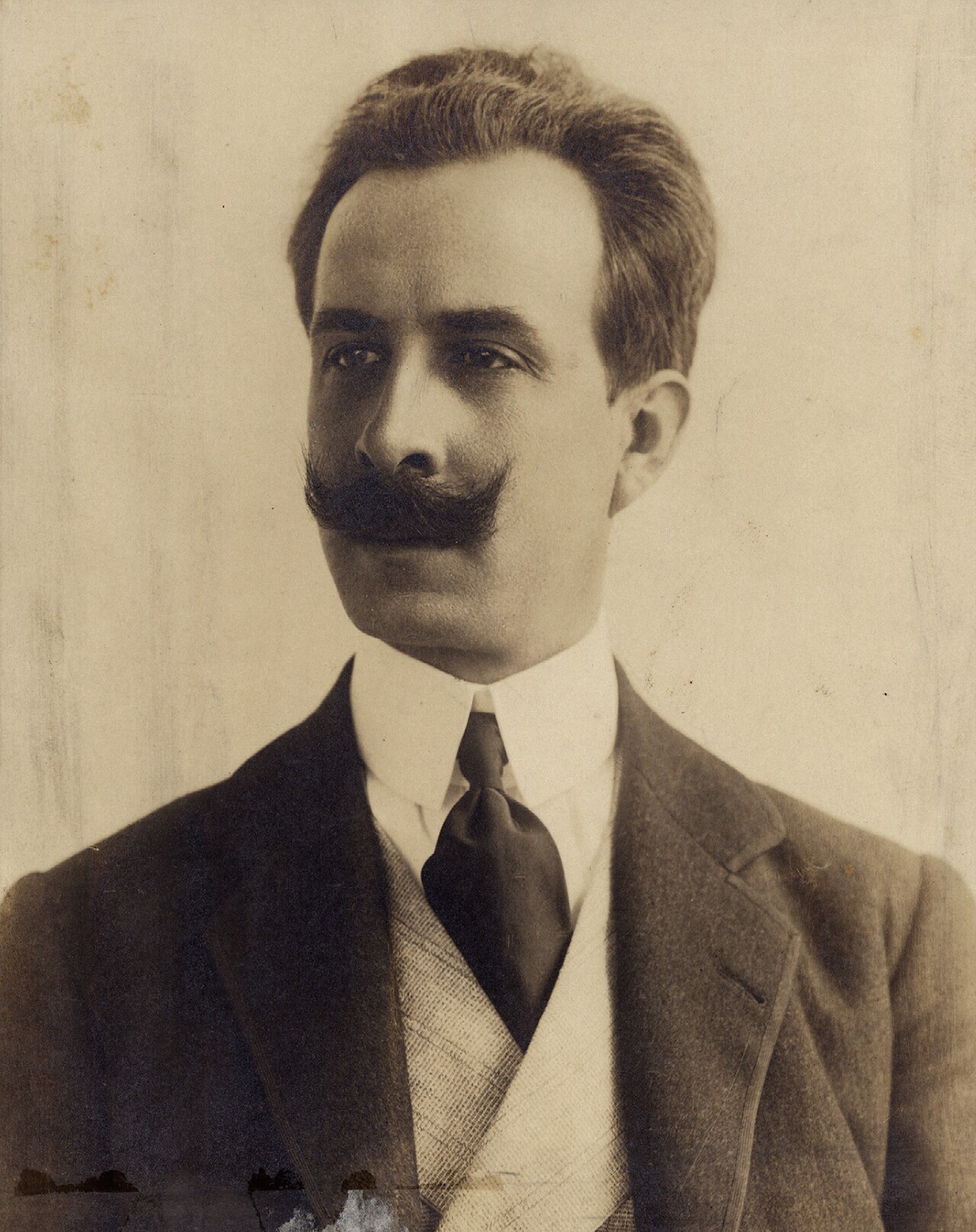
Carlos Chagas Traces a Disease Across Insects, Parasites and People
Fieldwork in rural Brazil connected a blood-feeding insect with a parasite and human illness. The discovery also drew attention to living conditions far from the centers of medical power.
In 1907, the Brazilian physician and researcher Carlos Chagas arrived in Lassance, a small town in the interior of Minas Gerais, tasked with curbing a severe outbreak of malaria. The epidemic had disrupted the extension of the Central do Brasil railway through northern Minas Gerais. Working under the guidance of his mentor Oswaldo Cruz, Chagas established a base in the region alongside his assistant Belisario Penna. Alongside his antimalarial work among the laborers, his stay in Lassance soon exposed him to an entirely different medical phenomenon.
While examining the area, Chagas learned from railway engineers about the local abundance of large, blood-sucking insects belonging to the genus Triatoma. Known colloquially as barbeiros because they bit sleeping victims on the face at night, these bugs infested the walls and roofs of rural homes. Curious about their biology, Chagas dissected several specimens and discovered flagellate protozoans inhabiting their intestines. Lacking a proper laboratory in Lassance, he sent insects to Manguinhos, where experimental infections of laboratory animals showed that the organism could infect mammals. In the usual insect-borne route, contaminated bug feces, rather than saliva injected with the bite, carry the parasite into damaged skin or mucous membranes. In honor of Cruz, he named the newly identified parasite Trypanosoma cruzi.

Keep reading in Yester
Coming soon to the App Store
Keep following the story
Sources
Image: Unknown Unknown