Fiji’s Chiefs Cede the Islands to Britain
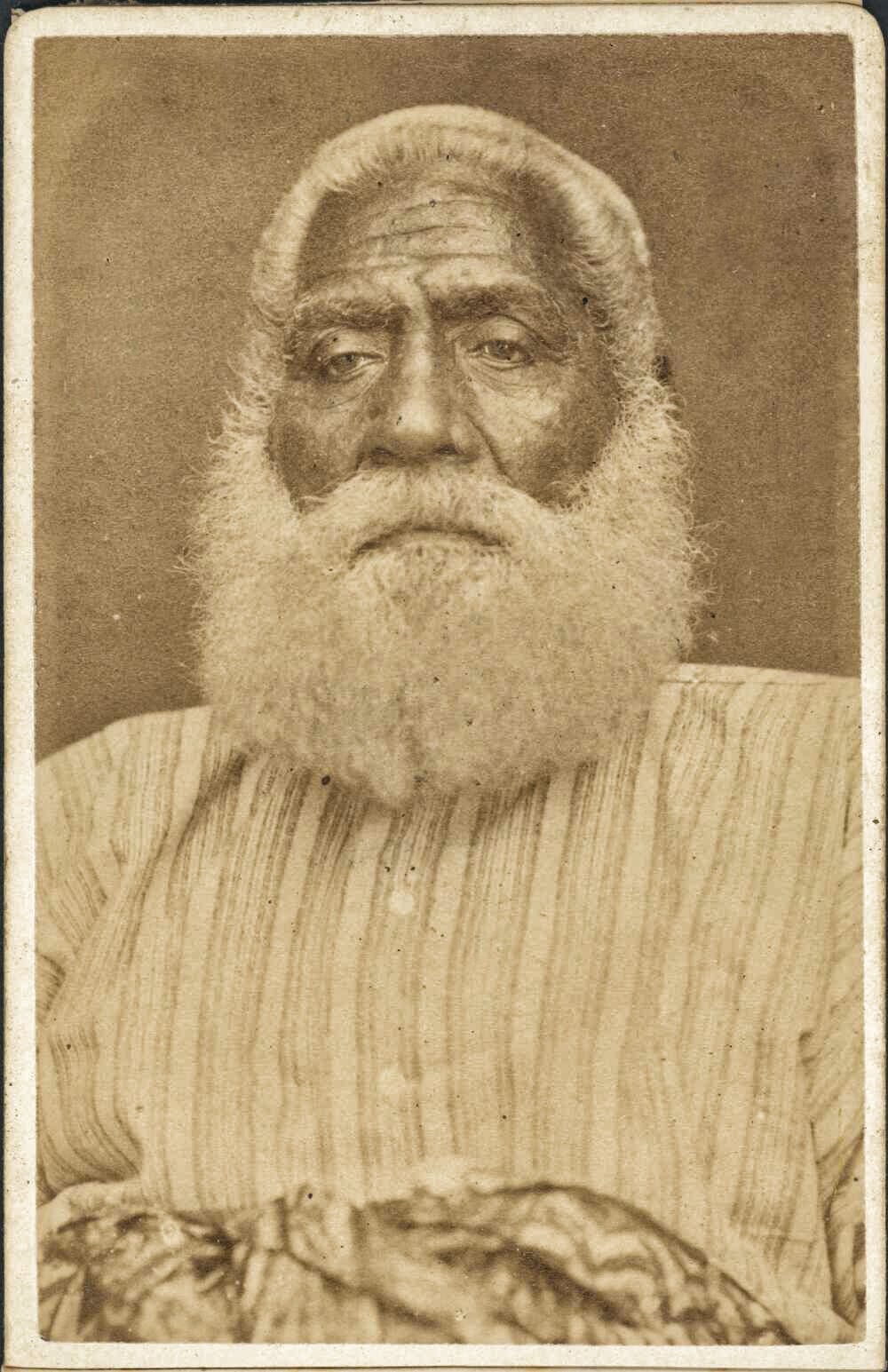
Cakobau and other chiefs signed a deed that made Fiji a colony.
On 10 October 1874, British rule officially commenced over the Fiji archipelago. Decades before, the British government had rejected an annexation proposal submitted in 1858 by Ratu Seru Epenisa Cakobau, who sought to keep his declared title of King of Fiji. This ambition proved unacceptable to British officials as well as other regional chiefs who regarded Cakobau merely as a peer among equals. Facing substantial debts and pressure from the United States Navy, Cakobau entered an arrangement with the Australian Polynesia Company to address his arrears and set up a European-dominated constitutional government in 1871. When this administration collapsed, he renewed the cession proposal in 1872, and London chose to accept.
Following an interim administration under Sir Hercules Robinson, Sir Arthur Gordon assumed the governorship in June 1875 and established an indirect system of governance. Gordon prohibited intertribal warfare and granted indigenous chiefs jurisdiction over local affairs through provinces headed by Rokos and smaller districts under hereditary leaders. In 1876, the colonial government instituted the Great Council of Chiefs as a consultative body alongside the Native Regulation Board, which together oversaw local legal structures for the indigenous populace while exempting European settlers. Armed resistance to expanding colonial control surfaced during Gordon's tenure in West Colo, where he sent forces to suppress the Little War against the highland Kai Colo.

Keep reading in Yester
Coming soon to the App Store
Keep following the story
Sources
- Chiefs & Governors (Museum of Archaeology and Anthropology, University of Cambridge)
- The Naturalist and his 'Beautiful Islands': Charles Morris Woodford in the Western Pacific, ch. 5 (ANU Press)
- A special day for Fiji (The Fiji Times)
- The lead-up to cession (The Fiji Times)
- Chronology of events (The Fiji Times)
- The arrival of Girmitiyas in Fiji (The Fiji Times)
- Two dates, one wound: What Girmit Day means for Fiji's future (Australia India Institute, University of Melbourne)
- Colony of Fiji
Image: Francis Herbert Dufty