Tonga Adopts a Constitution
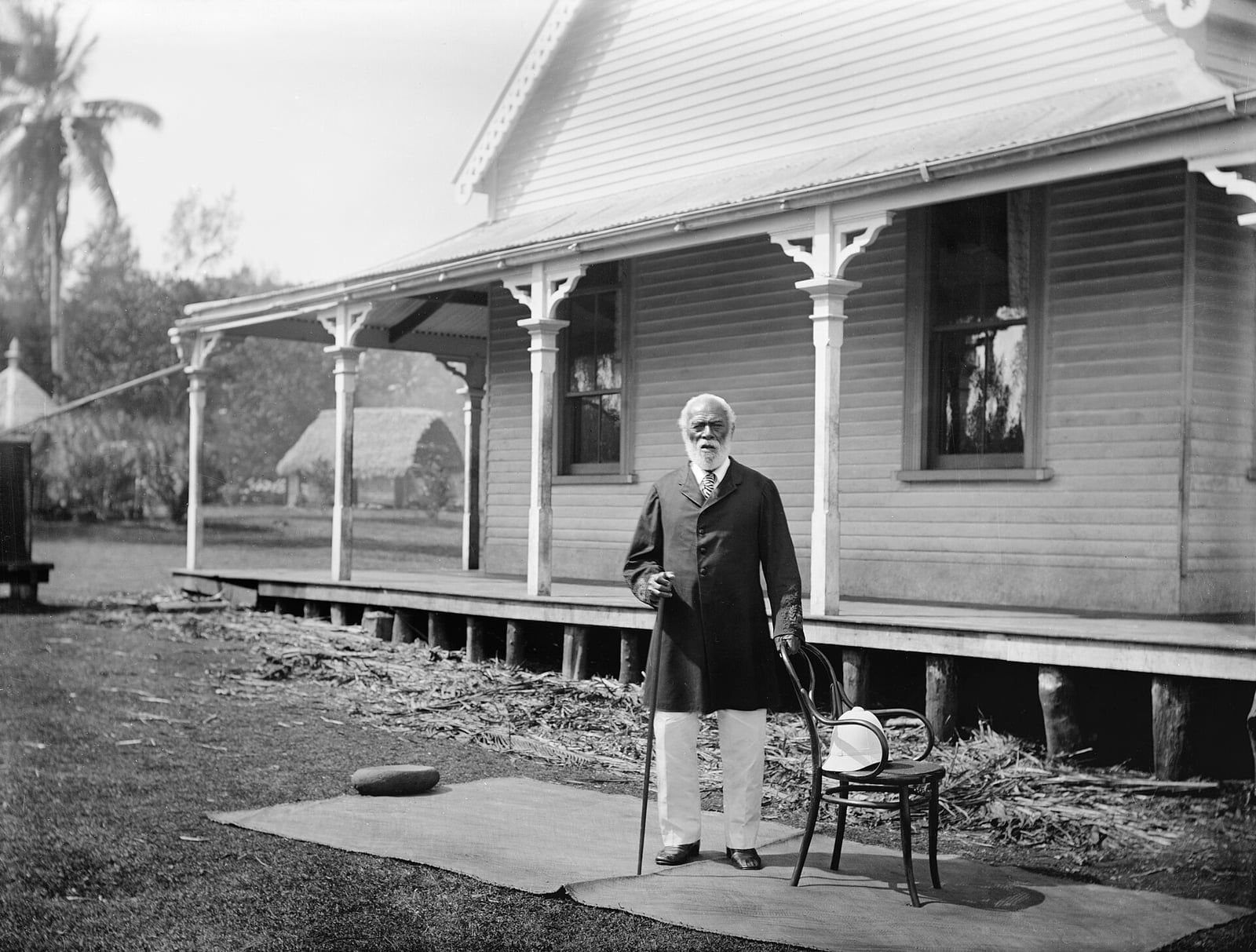
King George Tupou I wrote a constitution that kept Tonga independent.
On 4 November 1875, King George Tupou I enacted the Constitution of Tonga, establishing the supreme legal framework for the kingdom. Drawing inspiration from British and Hawaiian models of governance, the document formally unified the islands under a structured political system. The adoption occurred during an era of expanding Western imperial ambition across the Pacific, coming shortly after neighboring archipelagos faced outside annexation. By creating recognized national institutions, the king sought to protect Tongan sovereignty while reshaping the traditional authority of the island group into a formalized constitutional order.
A primary political achievement of the document was reconciling the hereditary nobility with a centralized Crown. The constitution established a monarchy alongside a titled landed nobility, formalizing principles that protected the elite social class while curbing autonomous regional power. By offering hereditary privileges and security of rank within the central state, the charter persuaded influential chiefs to surrender local independence and accept the king's supreme jurisdiction.

Keep reading in Yester
Coming soon to the App Store
Keep following the story


Sources
- Tonga's Constitution of 1875 (rev. 1988) (Constitute Project)
- History of Parliament (Legislative Assembly of Tonga)
- Tonga Constitutional public holiday to be observed on Monday 8th of November (Legislative Assembly of Tonga)
- Tonga to celebrate 150th anniversary of its Constitution (Matangi Tonga)
- Constitution of Tonga
Image: Burton Brothers