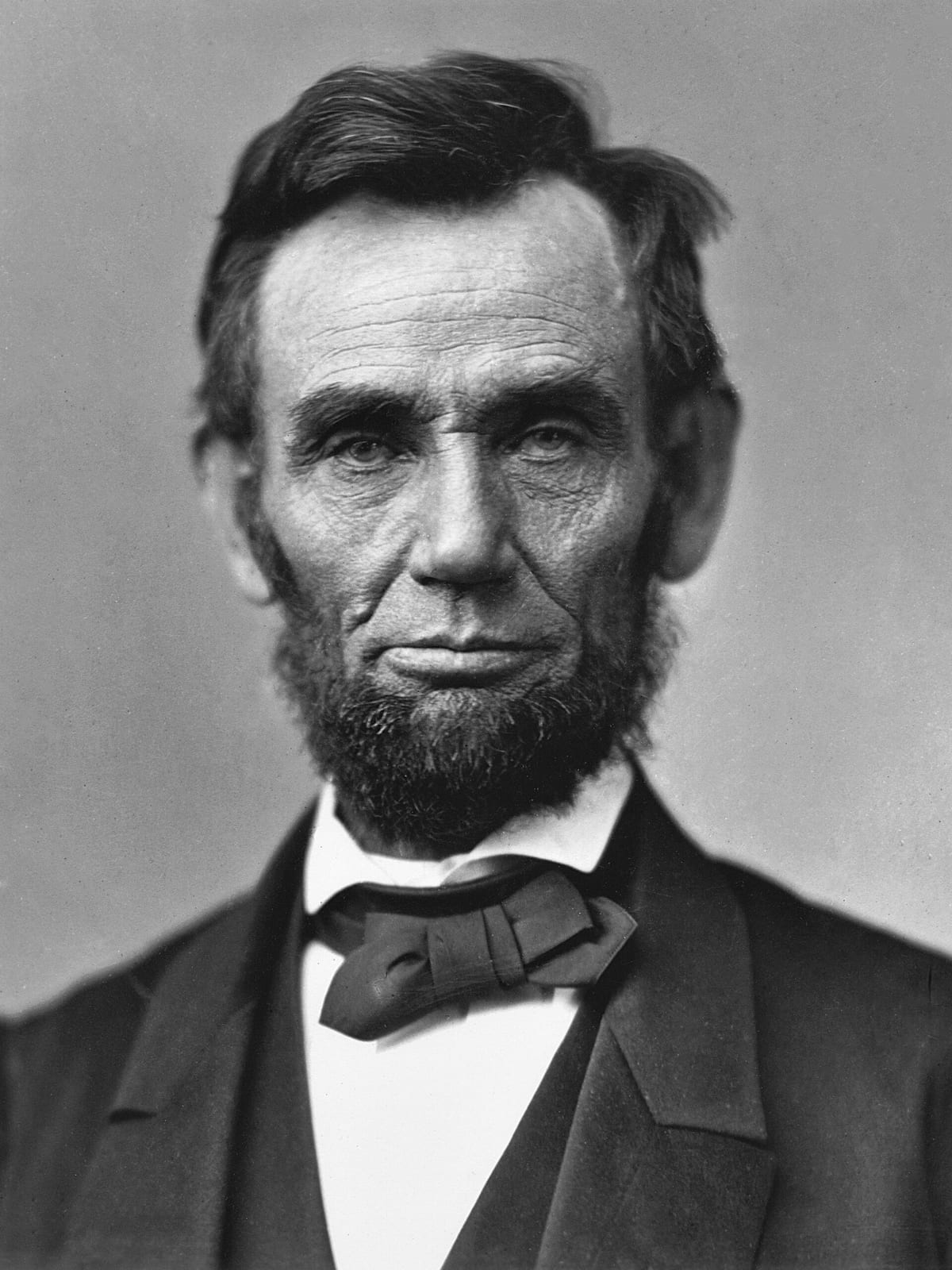
The Proclamation That Changed the War
Lincoln’s proclamation did not abolish slavery everywhere at once. It made emancipation a Union war aim and linked freedom to the advance of its armies.
On January 1, 1863, Abraham Lincoln issued a proclamation that changed what Union victory would mean. The Civil War had begun over secession and the preservation of the United States. Now the federal government declared enslaved people in designated rebellious areas free. The document did not end slavery across the whole country that morning. Its significance lay in joining the Union’s military effort to emancipation, making the destruction of slavery in the rebellion an explicit aim of the war.
The limits were substantial. Loyal slaveholding border states were not covered, and certain areas under Union control were exempted. Lincoln acted through his authority as commander in chief during rebellion, not through a constitutional amendment abolishing slavery everywhere. Reading those limits is necessary to understand the proclamation rather than dismiss it. The legal route available to a wartime president shaped both the territory it addressed and the work still needed to make freedom secure.

Keep reading in Yester
Coming soon to the App Store
Keep following the story
Sources
Image: Alexander Gardner