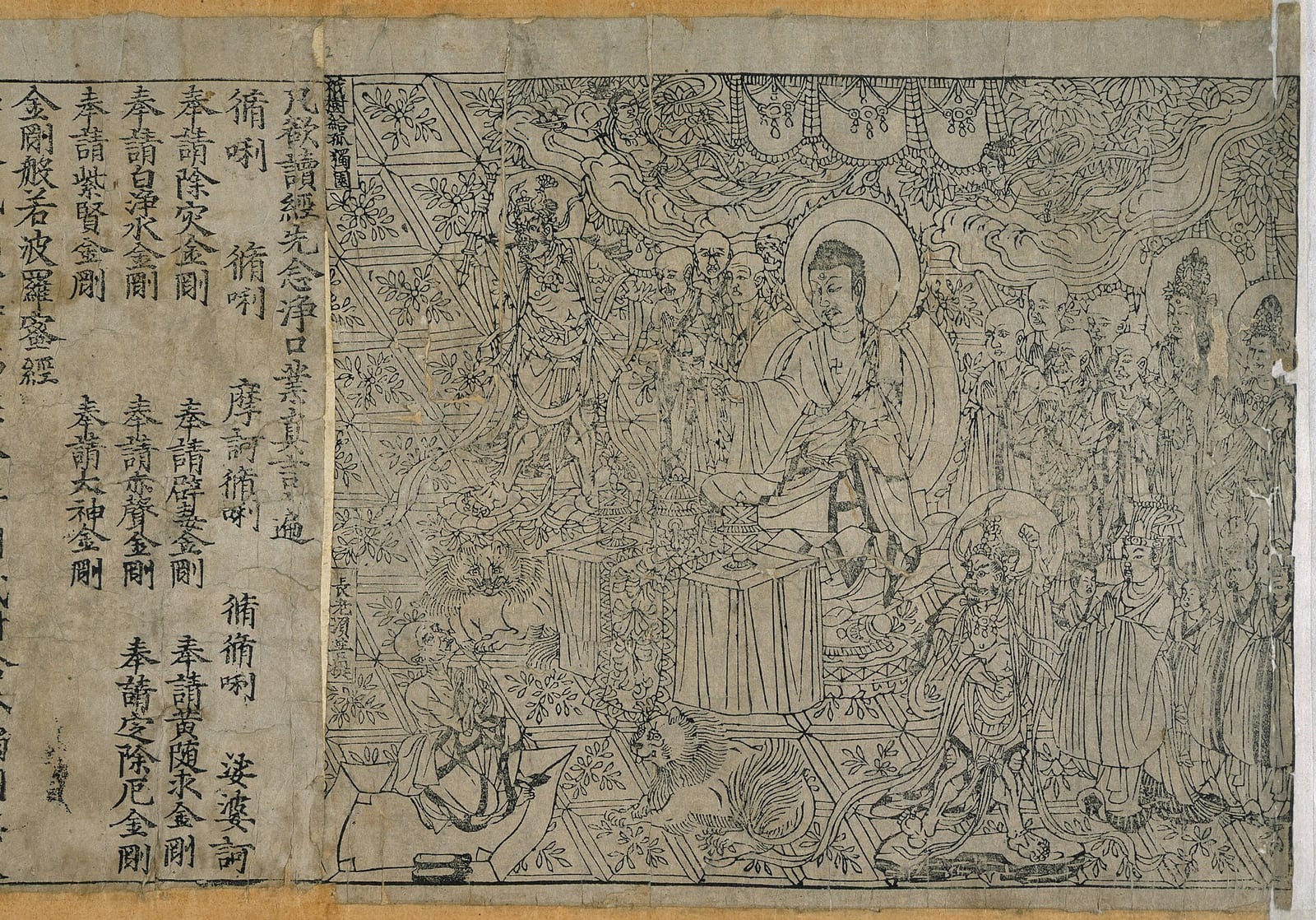
A Sealed Cave Reveals Centuries of Written Life
The opening of a manuscript chamber at Dunhuang in 1900 exposed an extraordinary collection. Its later dispersal made scholarship and questions of cultural ownership inseparable.
On 25 June 1900, the itinerant Daoist monk Wang Yuanlu uncovered a walled-off chamber within the Mogao Caves near Dunhuang in western China. Hidden behind a sealed wall in an annex now designated as Cave 17, or the Library Cave, lay a repository of tens of thousands of handwritten manuscripts, fragments, and early examples of printing on paper, hemp, and silk. Produced between the late fourth and early eleventh centuries, the cache reflected centuries of scholarly, administrative, and devotional life along the eastern stretches of the Silk Road.
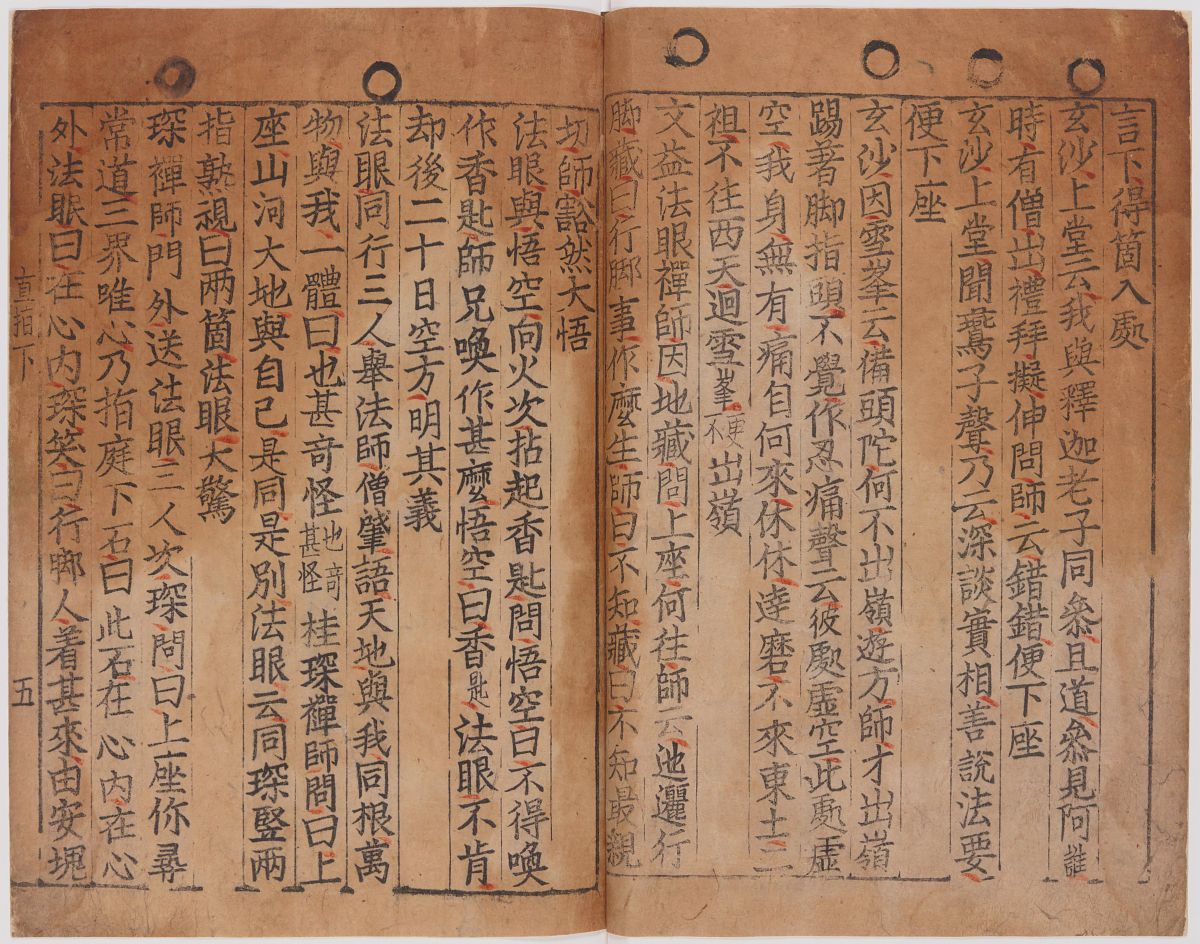
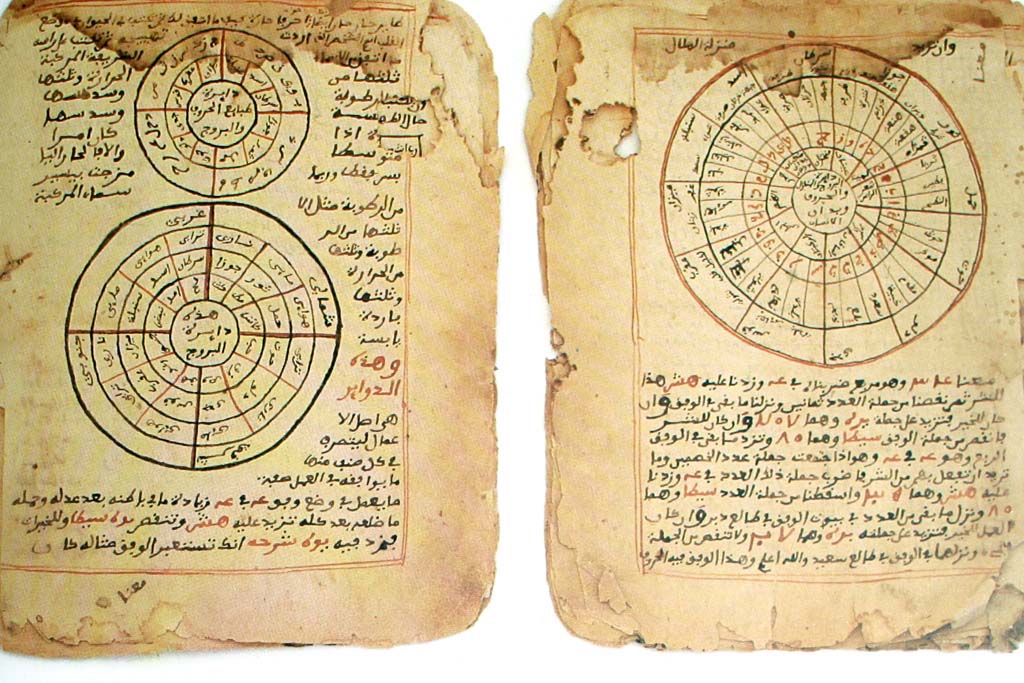
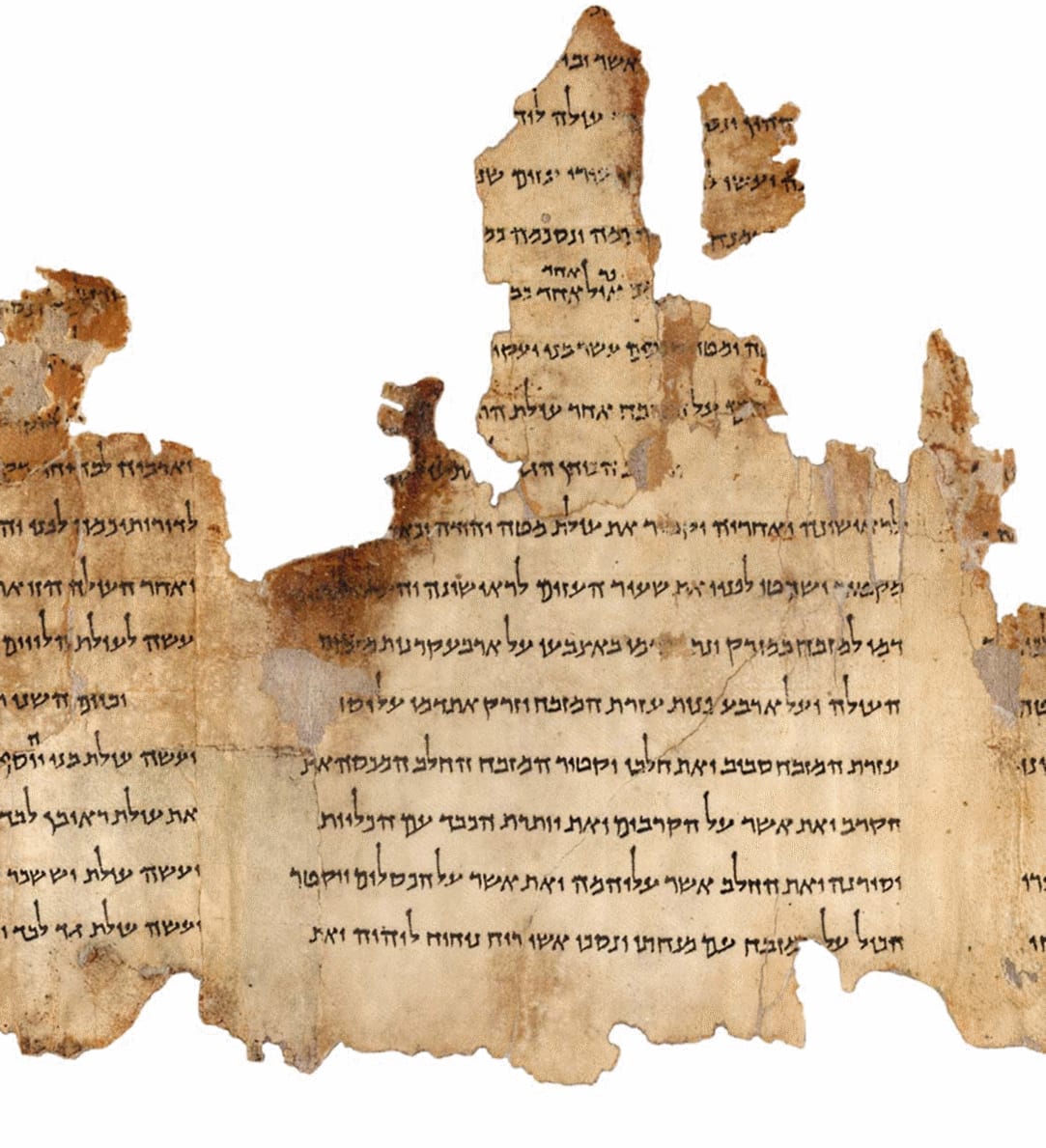
The documents emerged from an urban and monastic network that had functioned for generations as an intellectual hub. During periods of Tibetan governance in the eighth and ninth centuries, the regional center had even maintained an official printing office. While the overwhelming majority of the collected works were Buddhist sutras, treatises, and commentaries, the chamber preserved a remarkably pluralistic textual record. Alongside canonical scriptures were Daoist tracts, Confucian classics, Nestorian Christian documents, Manichaean texts, and Hebrew prayers, in addition to secular items such as medical treatises, astronomical charts, contracts, and musical notations.

Keep reading in Yester
Coming soon to the App Store
Keep following the story
Sources
Image: The colophon, at the inner end, reads: Reverently [caused to be] made for universal free distribution by Wang Jie on behalf of his two parents on the 13th of the 4th moon of the 9th year of Xiantong [i.e. 11th May, CE 868 ].