Tomb Builders at Deir el-Medina Go on Strike
Royal workmen whose grain rations were late staged the first labor strike on record.
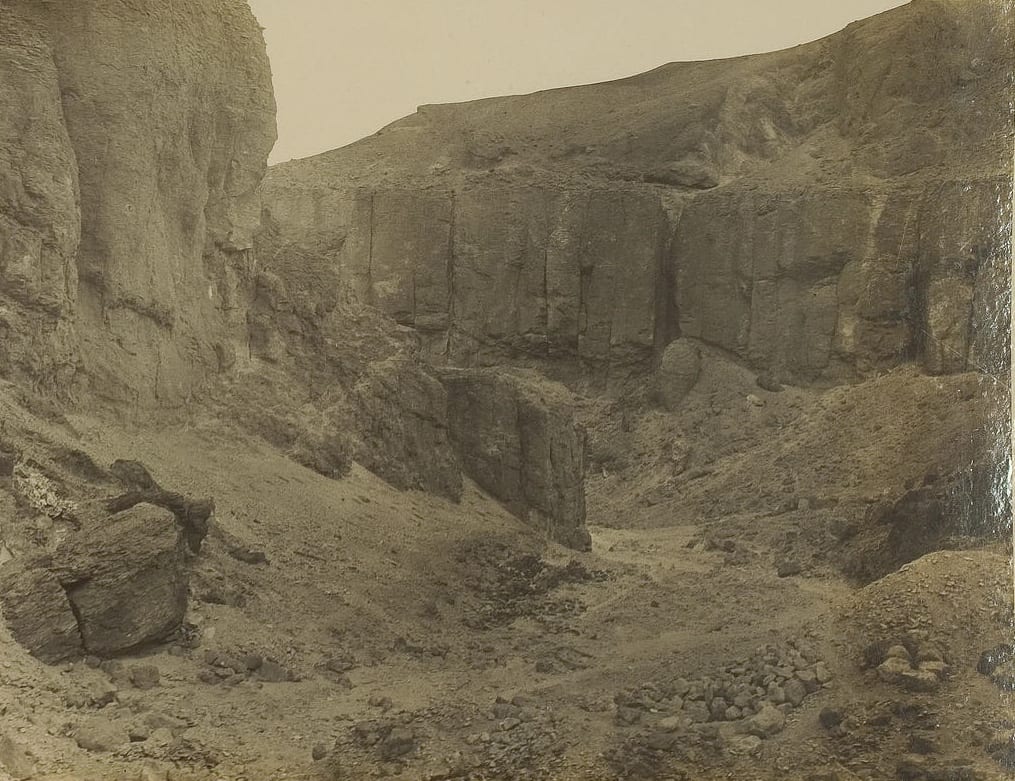
On the west bank of the Nile across from Luxor, an arid natural amphitheater sheltered the walled settlement of Set Maat, known today as Deir el-Medina. Established as early as the reign of Thutmose I and occupied throughout the New Kingdom, the village housed the specialized artisans, stonecutters, and scribes who excavated and decorated the royal tombs in the Valley of the Kings. Shielded from the cooler river breezes by surrounding hillsides, roughly sixty-eight mudbrick houses bordered a single central thoroughfare. Living isolated from the general public, likely to preserve the secret layouts of royal resting places, the craftsmen held prestigious, inheritable positions as salaried servants of the state.
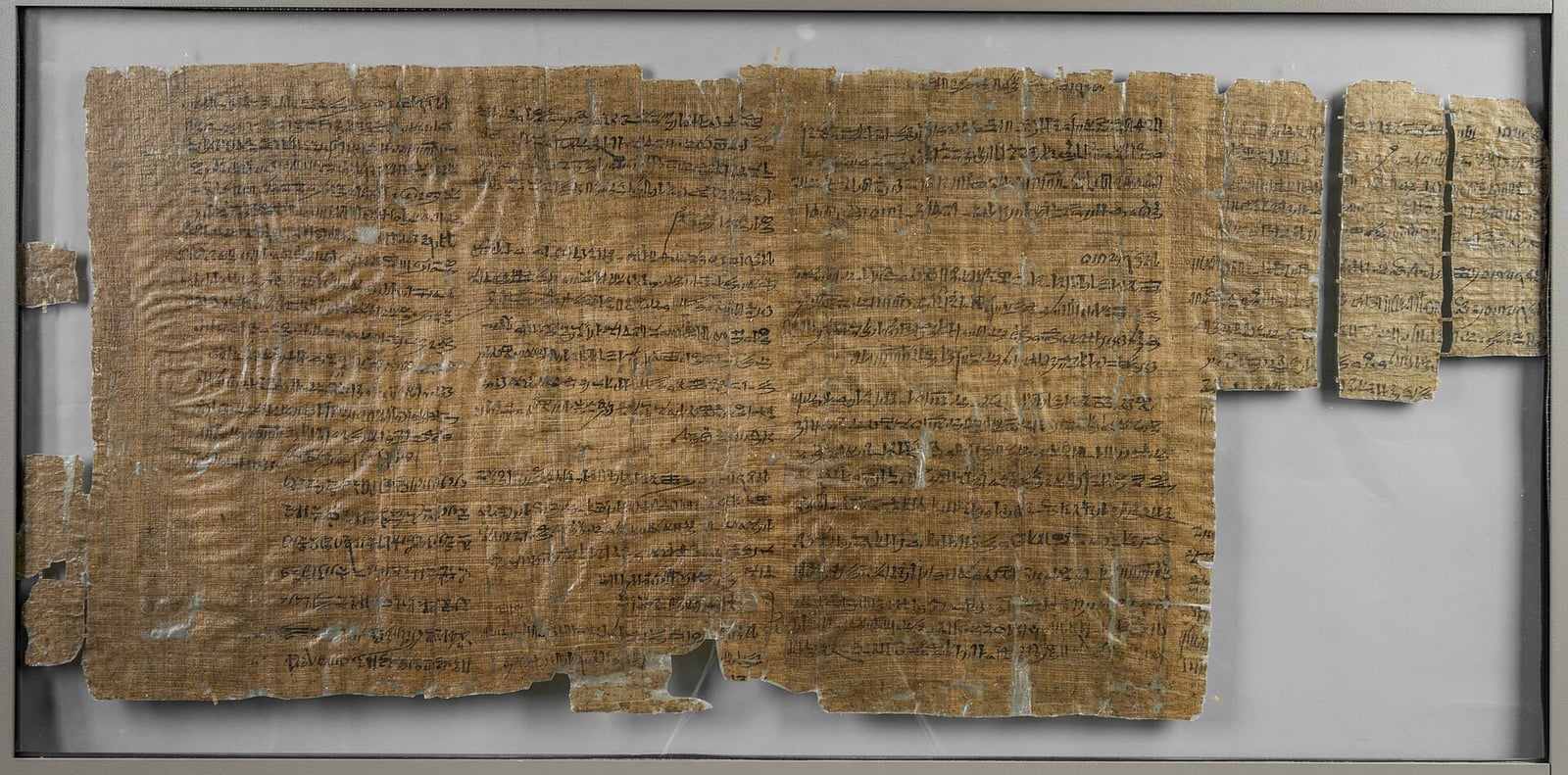
Unlike the wider agricultural population, these tomb builders and their households were free citizens compensated directly from royal storehouses. Their pay arrived in regular grain disbursements of wheat and barley that exceeded typical peasant earnings threefold. The community was arranged into left and right work gangs, reflecting the organization of a ship's crew, with each division supervised by its own foreman. Daily administration operated locally through a village court of craftsmen, deputies, and scribes authorized to settle civil complaints, petty thefts, and contractual disagreements. In addition, the villagers frequently petitioned divine oracles, presenting spoken or written disputes before carried statues of local deities to receive guidance on legal verdicts.

Keep reading in Yester
Coming soon to the App Store