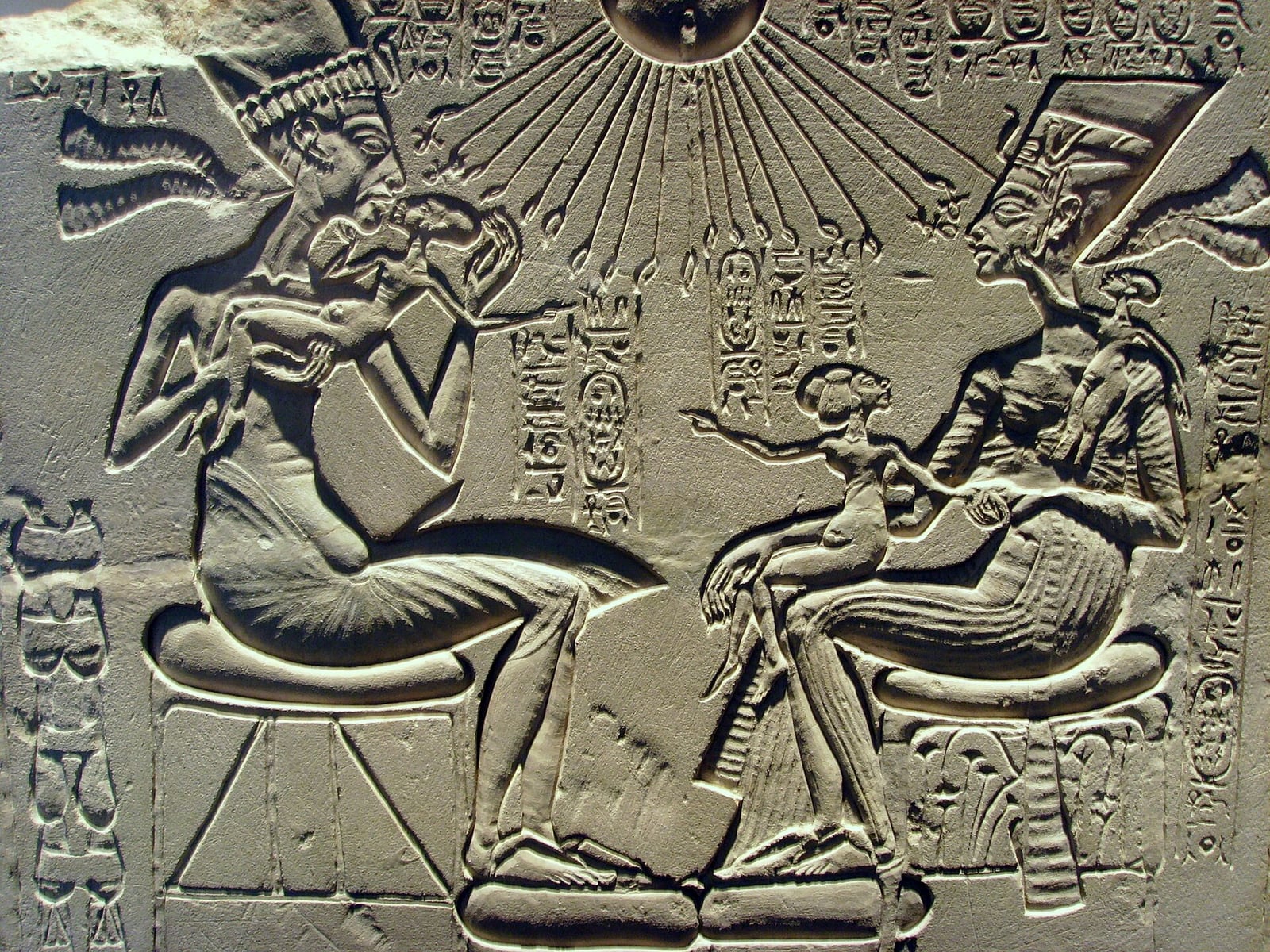
Akhenaten Builds a New Capital for the Sun Disk
A pharaoh broke with tradition and moved the court to a new city.
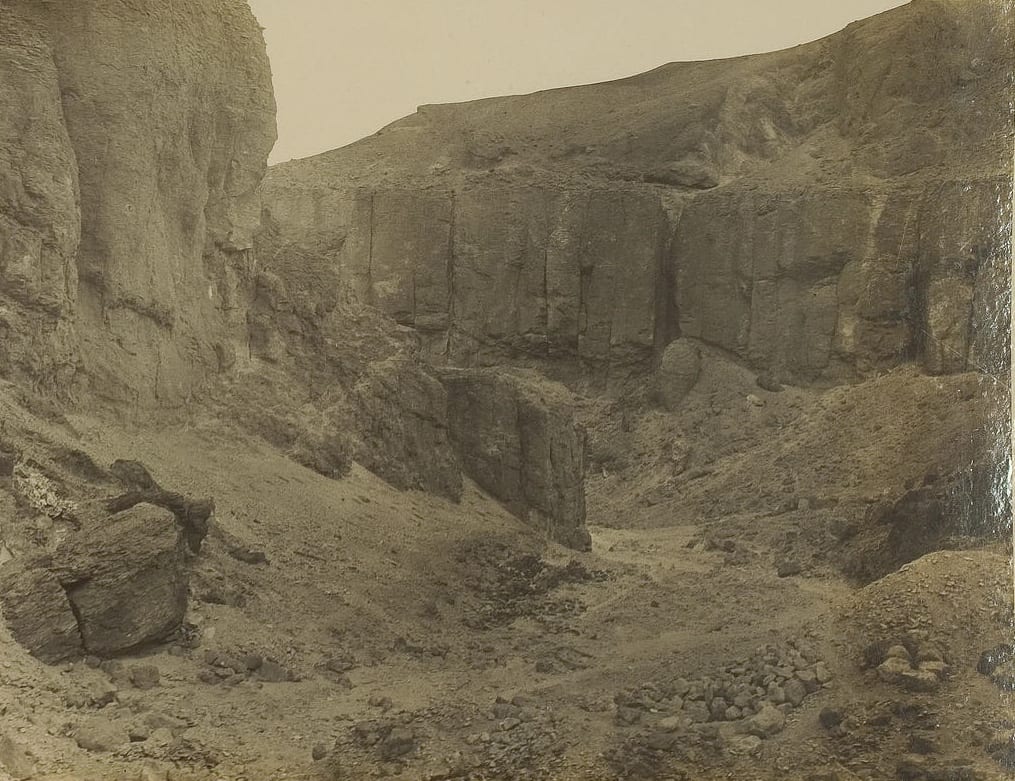
During the fourteenth century BCE, the Egyptian ruler Amenhotep IV broke sharply with centuries of established royal and religious practice. Taking the name Akhenaten, the pharaoh altered the spiritual landscape of the Eighteenth Dynasty by elevating the sun disk, known as the Aten, over all other traditional deities. Rather than maintaining the seat of government at the long-standing capital of Thebes, the monarch established an entirely new royal residence named Akhetaten, situated at the modern site of Amarna. This dramatic relocation served as the administrative and ceremonial focal point for a sweeping transformation across the empire.
The religious shift overseen by Akhenaten represents what many modern scholars evaluate as the earliest verified expression of a form of monotheism. Academic opinion remains divided over its exact nature; while some historians consider the program a profound theological revolution, others argue that the king merely promoted one specific solar cult over another without wholly eradicating all traditional gods. In contrast to ancient traditions that emphasized the afterlife, devotion to the Aten focused on the immediate, observable natural world and the daily recreation of the earth. Moreover, the royal family held a privileged status as the primary intermediaries to the deity, while ordinary subjects were expected to direct their worship toward the king and his household.

Keep reading in Yester
Coming soon to the App Store
Keep following the story
Sources
Image: myself ( Gerbil from de.wikipedia)