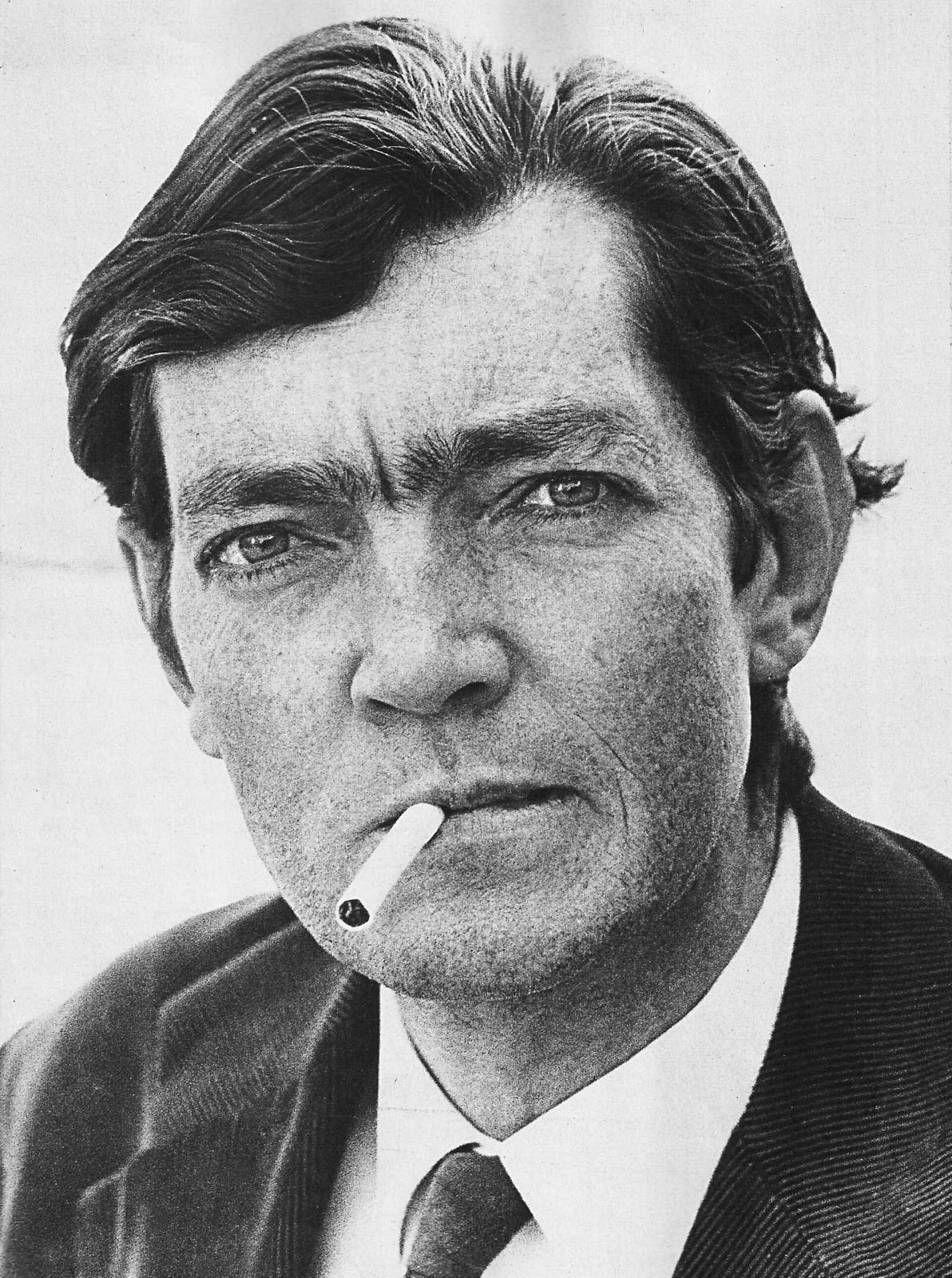
Cortázar Invites Readers to Find Another Route Through a Novel
Hopscotch made the order of reading part of the literary experience.
In 1963, the Argentine author Julio Cortazar published Rayuela in Spanish, presenting a fictional narrative composed during his years in Paris that openly challenged conventional reading practices. Later translated into English as Hopscotch in 1966, the work offered an explicit confrontation with traditional prose structure. The original English release achieved notable critical visibility when translator Gregory Rabassa received a National Book Award in the translation category for his rendering of the text. Rather than guiding audiences along a single, unbroken line of prose, Cortazar prefaced the volume with a guide that transformed how a reader could navigate its physical contents.
This introductory note set forward distinct pathways through the 155 chapters of the volume. A reader could proceed in an ordinary linear sequence through chapters 1 to 56, setting aside the remaining segments as expendable material. Alternatively, the audience could follow Cortazar's designated Table of Instructions to leap back and forth across the entire collection. This second course bypassed chapter 55 altogether and concluded in an endless loop between chapters 58 and 131. Beyond these explicit outlines, the author left room for individuals to assemble their own distinct routes through the chapters, encouraging what Cortazar termed a counter-novel designed to invite the reader to function as an active participant.

Keep reading in Yester
Coming soon to the App Store
Keep following the story
Sources
Image: Sara Facio