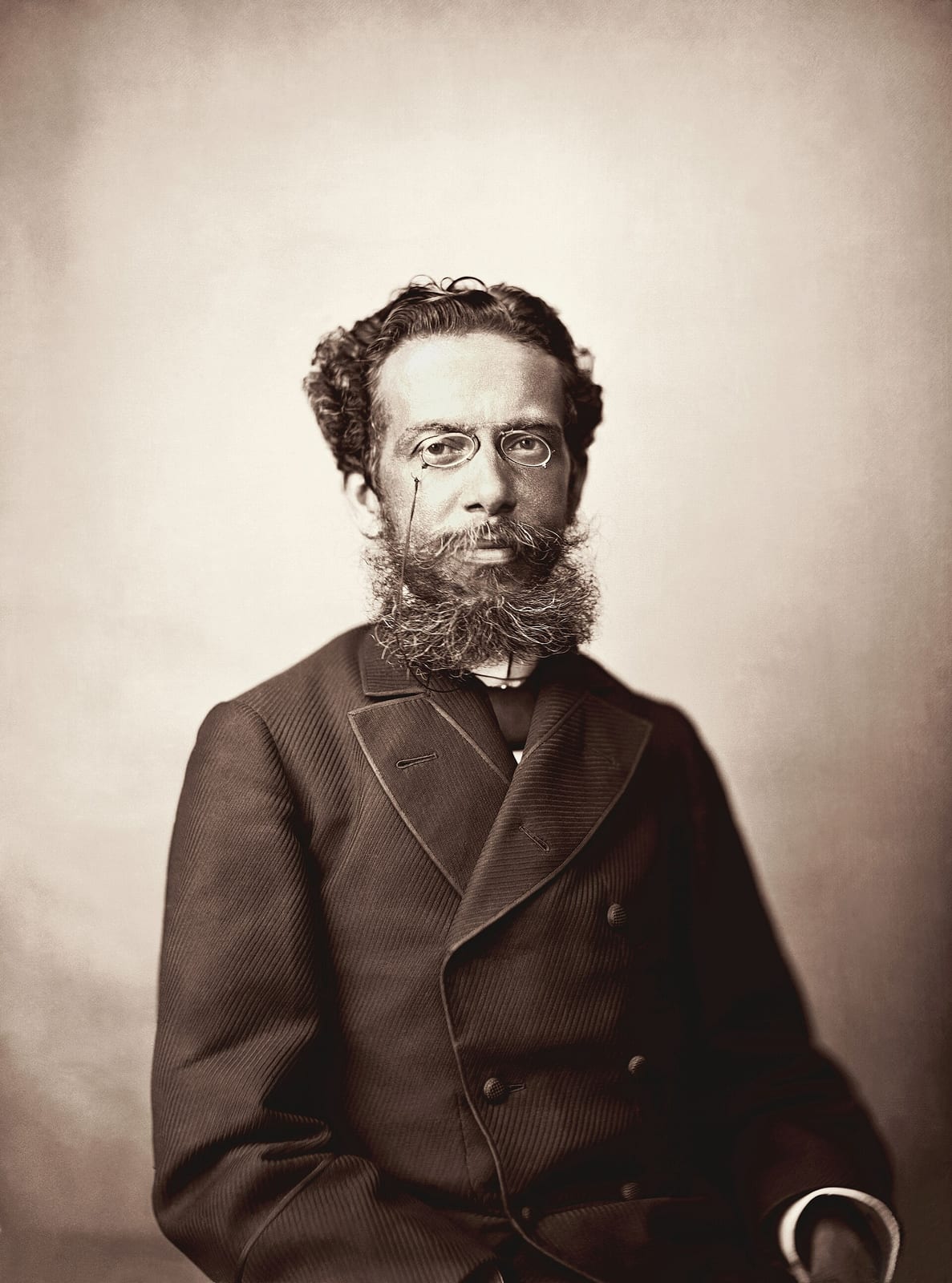
Machado de Assis Gives a Dead Man the Last Word
A wealthy narrator begins his memoir after death. His jokes, evasions and interruptions make a Brazilian novel into a disquieting study of privilege.
Brás Cubas can tell his story with unusual freedom because he is already dead. That premise opens Machado de Assis’s novel, published in book form in 1881 after appearing in a magazine the previous year. Instead of using a life story to build toward moral improvement or heroic achievement, Machado gives the narrative to a privileged man whose self-explanations repeatedly undermine him. The reader is invited close enough to enjoy his wit and then made to notice what the wit conceals.
The setting is nineteenth-century Brazil, a society of hierarchy, patronage and slavery. Brás can treat other people’s lives as episodes in his own because his social position allows it. The novel does not always interrupt him to announce a lesson. It lets his casual assumptions become evidence. That creates a demanding kind of reading: what matters is not only what the narrator reports, but what he thinks requires no explanation and whose suffering he regards as unimportant.

Keep reading in Yester
Coming soon to the App Store
Keep following the story
Sources
Image: Marc Ferrez / Adam Cuerden