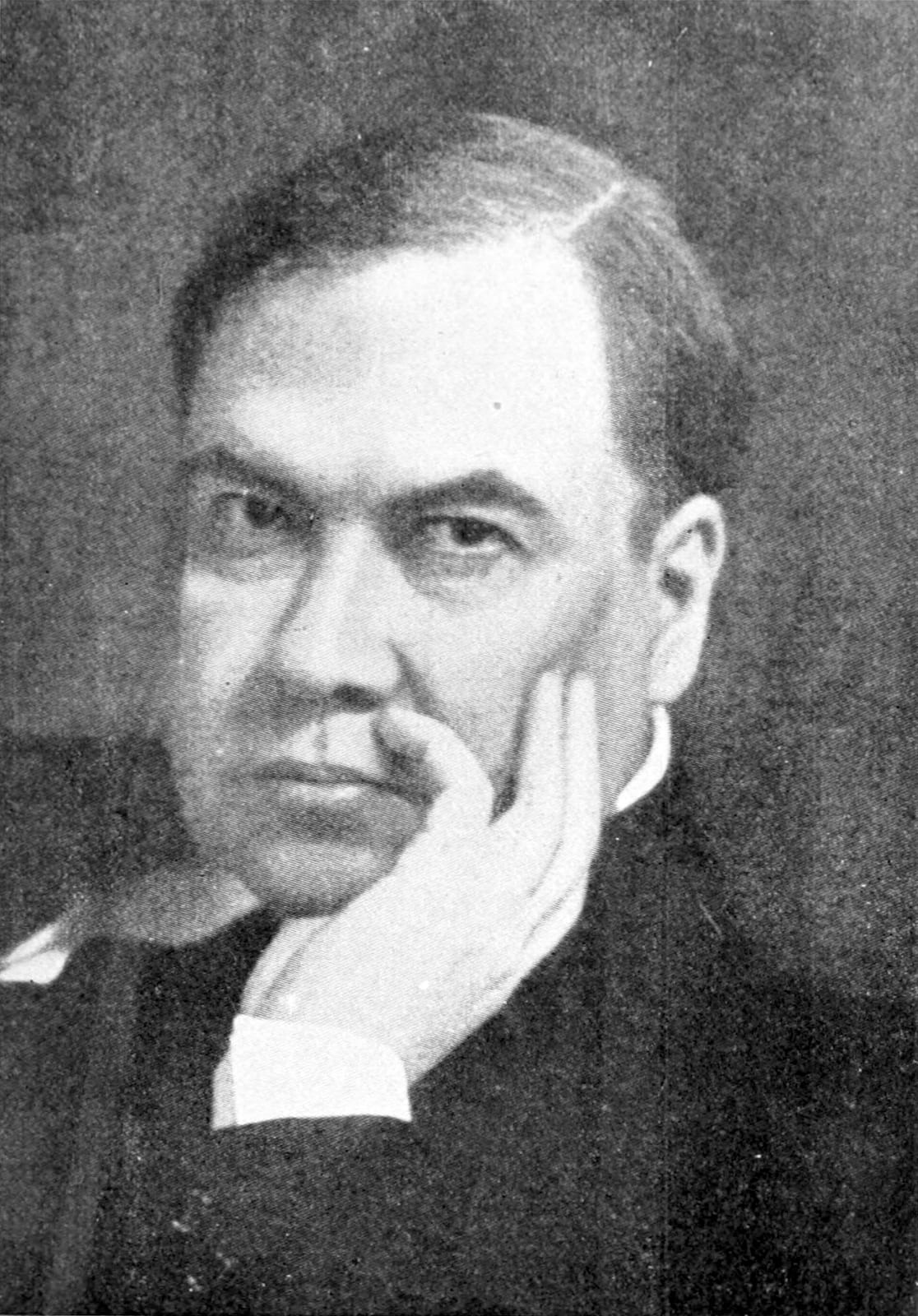
Rubén Darío’s Azul Changes the Sound of Spanish-Language Literature
Published in Chile in 1888, a Nicaraguan writer’s collection helped redirect literary experimentation across the Spanish-speaking world. Influence did not need to travel from Europe in only one direction.
In July 1888, the young Nicaraguan writer Félix Rubén García Sarmiento, known as Rubén Darío, published a modest volume titled Azul... in the Chilean port of Valparaíso. Darío had arrived in Chile two years earlier, having previously experimented with new verse forms in El Salvador and Nicaragua. The compilation brought together poems and pieces of descriptive prose that had appeared across various Chilean periodicals between late 1886 and mid-1888. The publication marked the emergence of modernismo, a transformative movement that reshaped Spanish-language literature over the subsequent decades.
The book did not find instant commercial success, but it quickly attracted the attention of prominent critics across the Atlantic. In October 1888, the Spanish novelist and critic Juan Valera reviewed the work in two open letters published in the Madrid newspaper El Imparcial. Valera identified what he termed a mental Gallicism in Darío, pointing to the obvious imprint of contemporary French literary models, yet he praised the young author as a writer of genuine prose and poetic skill. When a second, substantially expanded edition of Azul... appeared in Guatemala in 1890, Valera's commentary was included as a prologue, establishing a tradition maintained in later editions.

Keep reading in Yester
Coming soon to the App Store
Keep following the story
Sources
Image: Unknown author Unknown author